The bob haircut has undergone a quiet metamorphosis over the past eighteen months, evolving from a safe, polished classic into something far more loaded, a statement of intent, a semiotic flag planted firmly in the ground of contemporary femininity. What began as a practical trim has emerged as the single most politically charged hairstyle in fashion, a shorthand for everything from power-dressing ambition to anti-establishment cool. And now, in August 2026, the conversation has shifted again: Prada’s autumn/winter runway has rewritten the rules, proposing a tousled, slept-in bob that rejects the very grooming codes the cut once embodied.
This isn’t just about hair. It’s about which version of womanhood you’re choosing to project, and whether you’re willing to acknowledge that the bob, like the structured blazer or the knee-high boot, has become a tool of self-definition as much as aesthetic expression. The stakes, improbably, have never been higher.
Why bob haircuts for women became the defining cut of 2026
The bob’s ascent to cultural dominance in 2026 can be traced through a series of carefully choreographed public moments. At the Golden Globes in January 2025, Zendaya debuted a retro bob that combined old Hollywood glamour with a sharply modern edge; by the Grammys weeks later, Selena Gomez had adopted a bouncy, chin-grazing version that telegraphed confidence without trying too hard. Billie Eilish softened hers into something chic and understated, while Halle Berry unveiled a baby bob for textured hair at Cannes 2025 that made the case for the cut’s versatility across hair types. The bob became the haircut that could mean everything, power, subversion, elegance, rebellion, depending on how you styled it.
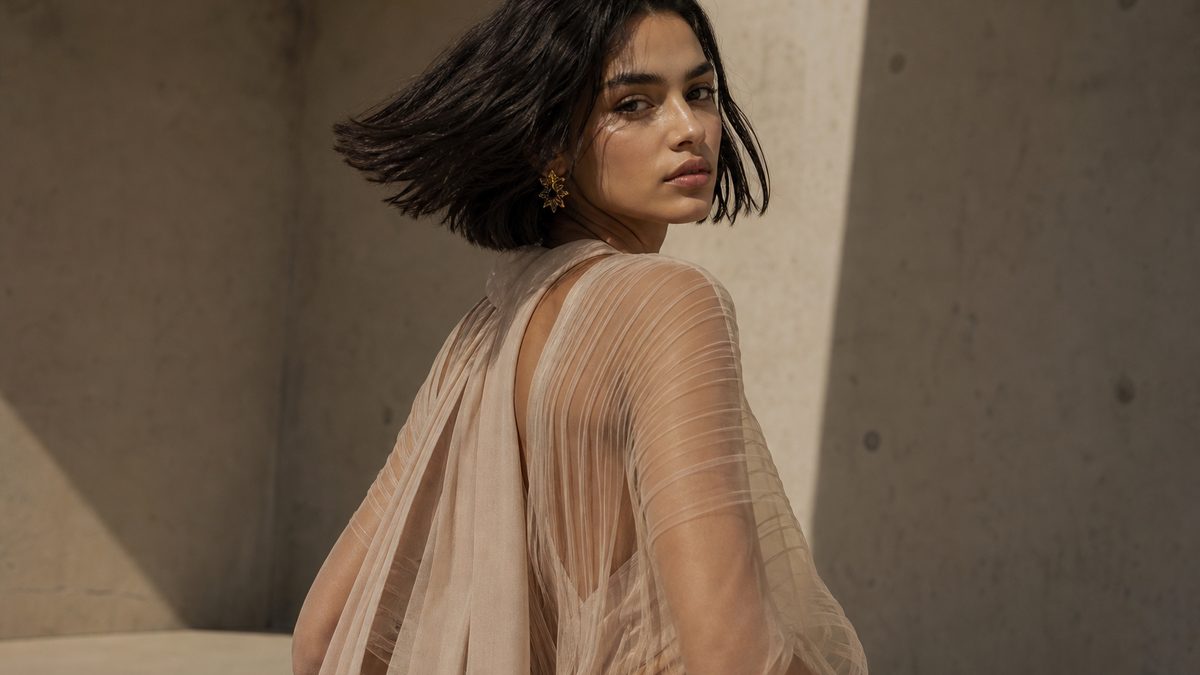
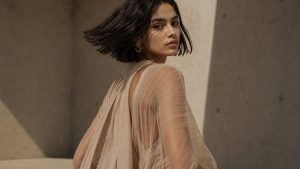
But the real shift happened on the runways. Prada’s autumn/winter 2025-26 show in Milan introduced what celebrity hairstylist Dimitris Giannetos would later coin the ‘Prada Bob’: a deliberately tousled, anti-grooming take directed by Guido Palau that rejected the sleekness traditionally associated with the cut. It was a bob that looked like you’d slept in it, woken up, and decided that was enough. This was the bob as rejection of effort, a quiet-luxury signifier in the same lineage as an unstructured linen blazer or bare nails, a statement that you had nothing left to prove.
Simultaneously, the bixie, a hybrid of bob and pixie, gained traction among women seeking something shorter but not fully committed to cropping. Tom Warr of Blue Tit London noted in Marie Claire UK that the bixie offered a middle ground for those experimenting with length, while studios like Neil Moodie’s championed the graduated bob, a Vidal Sassoon-era throwback that added architectural weight to the back. The bob, in other words, had fragmented into a dozen micro-trends, each carrying its own cultural baggage.
The Prada versus Blumarine split: two bobs, two very different women
By mid-2026, two distinct bob philosophies had crystallised on the runway, each appealing to entirely different style tribes. Prada’s tousled, slept-in version, the product of Guido Palau’s deliberate anti-grooming directive, spoke to the woman who had internalised the lessons of quiet luxury: that true elegance lies in appearing effortless, in resisting the over-styled gloss of Instagram perfectionism. The Prada Bob is the haircut equivalent of an unstructured Loro Piana coat, expensively simple, quietly confident, allergic to trying too hard.
Blumarine’s autumn/winter 2025-26 show, by contrast, leaned into grunge: choppy, textured, deliberately imperfect in a way that recalled the DIY ethos of 1990s subcultures. This was the bob as rebellion, as refusal to assimilate into boardroom polish. Where Prada whispered restraint, Blumarine shouted defiance. The two approaches, both classified as ‘bobs’, were in fact ideological opposites, one rooted in minimalism and privilege, the other in maximalism and anti-establishment energy.
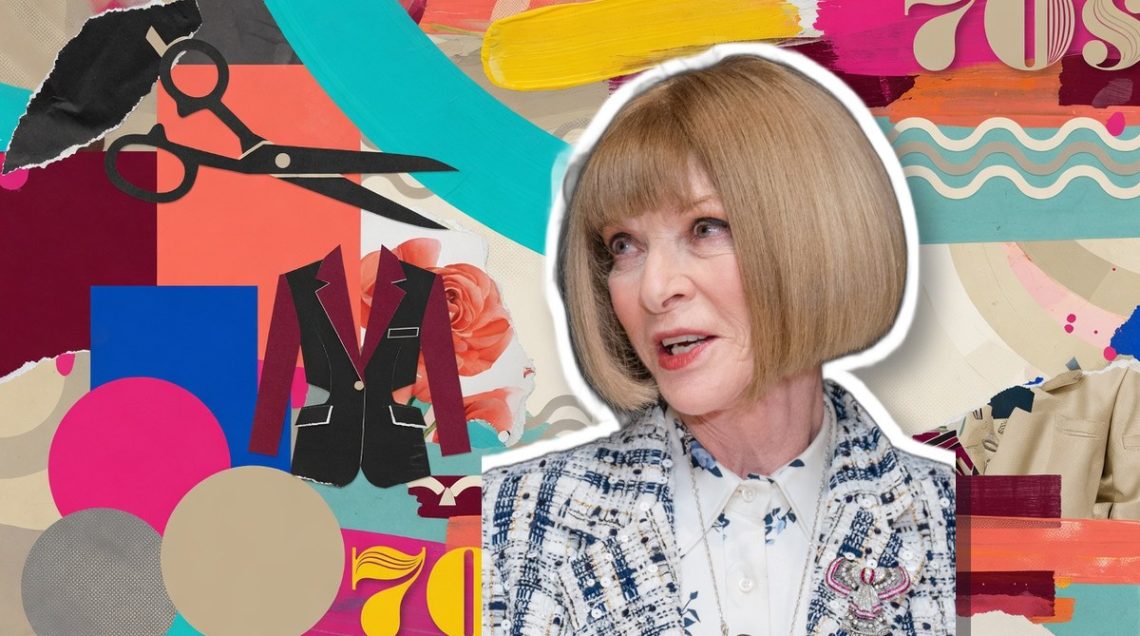
The split mirrors a broader fracture within contemporary femininity itself. Anna Wintour’s power bob, unchanged for decades, signifies structural authority; Victoria Beckham’s iconic inverted bob from the 2000s still reads as aspirational precision. But Gracie Abrams’ choppy bob or Raye’s curled-in, side-parted version with bangs, worn to the Fashion Awards in London in December 2025, communicate something looser, less interested in legacy codes. Choosing between a Prada Bob and a Blumarine bob is choosing which version of contemporary womanhood you want to inhabit.
How to choose your bob before Burberry’s long-hair backlash wins
Yet the bob’s dominance may already be approaching its inflection point. Burberry’s spring/summer 2026 presentation at London Fashion Week made waves by foregrounding long, unstyled hair, an explicit counter-trend to the bob’s ubiquity, reported by ELLE as a deliberate anti-bob stance. Refinery29’s 2026 hair forecast has similarly predicted a shift towards grown-out, effortless lengths, suggesting that the bob may soon feel too safe, too saturated, too much the uniform of a moment that’s already passing.
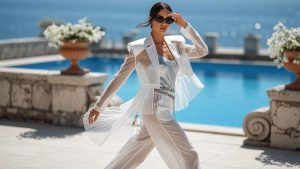
So how do you choose a bob in August 2026 without committing to a cut that might read as dated by spring? The answer lies in proportion and styling codes. Pair a micro bob or baby bob with oversized suiting and structured shoulders to balance the starkness of the cut; a chin-length bob works best with floaty midi dresses and soft, unstructured fabrics that echo the bob’s own volume. A liquid bob, smooth, glossy, almost molten, reads as polished and editorial when worn with minimalist tailoring, while a bubble bob or mob bob (messy, textured, tousled) pairs naturally with relaxed, lived-in silhouettes.
The French bob, with its blunt fringe and jaw-skimming length, remains the most overtly Parisian signifier, best suited to women comfortable with a degree of retro theatricality. The bell-bottom bob, slightly flared at the ends, offers movement and softness for those wary of severity. And if you’re drawn to the Prada Bob’s anti-grooming ethos, commit fully: no flatiron, no product, just air-dried texture and a willingness to let the cut breathe. The bob, in 2026, is a commitment not just to a length but to a philosophy, and the question is whether you’re ready to own it before the long-hair counter-revolution arrives.
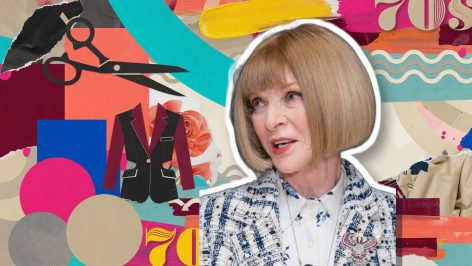
Photo: UKinUSA, CC BY-SA 2.0, via Wikimedia Commons — modified: subject cutout on an editorial collage background; montage licensed under CC BY-SA 2.0.
Read next: Autumn’s trainer rules have quietly changed, and Miu Miu’s bubble sole explains why