UK search data has handed fashion a rare gift: a taxonomy that actually matches the street. The phrase ‘these 5 style tribes’ surged in Google Trends this month, fuelled by breakout editorial coverage from Who What Wear UK and Flannels Style News, but the real signal lies in the numbers beneath. Lyst’s Q2 2026 Index reports a 258% quarter-on-quarter spike in demand for Jean Paul Gaultier body-print dresses, proof that the ‘Individualist/Body’ tribe is more than mood-board fantasy; it’s live shopping behaviour.
Yet while fashion media rushes to map the five, Hedi Girl, Coach Kid, Archivist, Working Girl, and Individualist/Body, the fastest-growing cohort may be those rejecting the label altogether. This is the story of how tribes are being written, worn, and quietly discarded across the UK.
Meet the 5 style tribes actually shifting UK wardrobes
The Hedi Girl is perhaps the most codified: Saint Laurent by Anthony Vaccarello remains the anchor, but the tribe’s DNA traces back to Hedi Slimane’s razor-thin tailoring at Celine and Saint Laurent. Sharp lapels, micro mini-skirts, and patent accessories define the uniform. Depop seller Agus Panzoni (@thealgorythm) reports consistent demand for archive Slimane-era pieces, with leather blazers and satin slip dresses circulating at premium resale prices on Vestiaire Collective.
Coach Kid is the tribe with institutional backing: Stuart Vevers OBE’s Spring 2026 ‘New York morning’ collection for Coach supplied the visual grammar, worn leather, varsity stripes, and the Tabby bag as tribal totem. The latter retails around £450 new, though Depop and Vestiaire list pre-loved versions from £200. It’s preppy Americana filtered through British pragmatism, and retailers report rising demand for Coach’s archival reissues.
The Archivist lives in opposing eras simultaneously. Think Alexa Chung’s vintage Chloé mixed with Emma Chamberlain’s eBay-sourced Gaultier, or Chloe Sevigny’s decades-spanning references. This tribe doesn’t buy seasons; it hunts them. Saint Laurent Mombasa bags from the Tom Ford era circulate on Vestiaire from around £350, while early-2000s Miu Miu and Alexander McQueen pieces anchor the look. Molly Rooyakers (@style.analytics) has documented the tribe’s aversion to newness, favouring instead the narrative weight of garments with provenance.
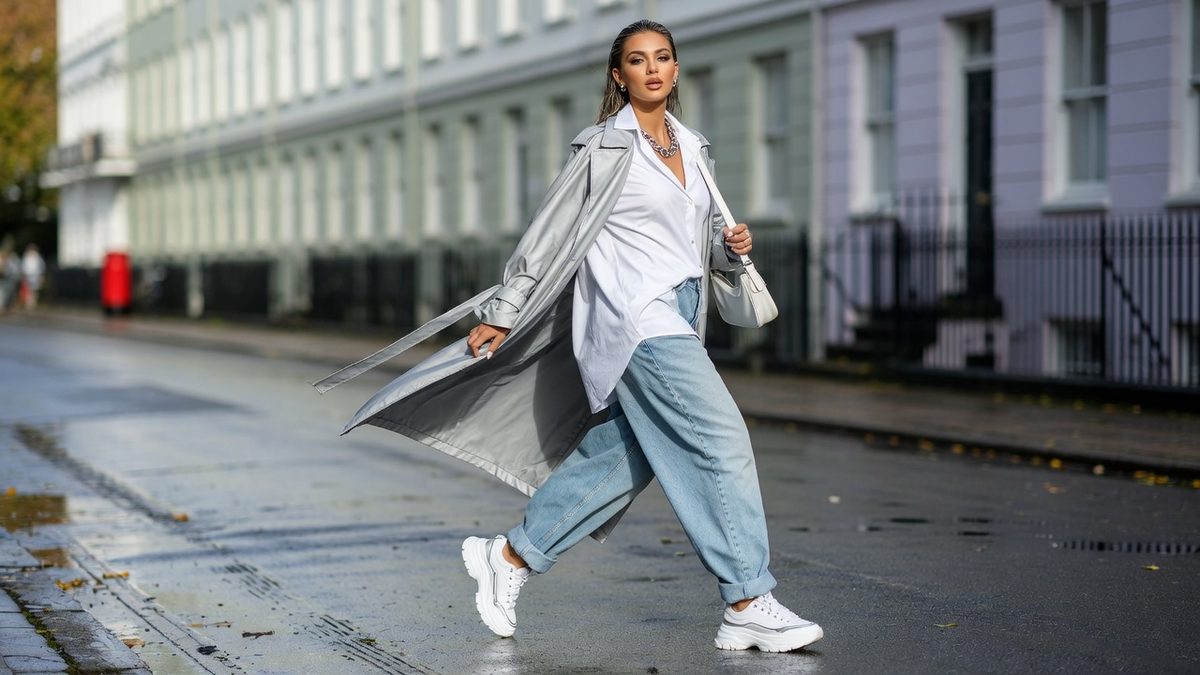
Working Girl borrows its name from the 1988 film but its wardrobe from the BBC’s Industry: wide-leg trousers, oversized blazers, and shirts worn half-tucked. The Row supplies the minimalist end; Valentino by Alessandro Michele injects maximalist tailoring. UK high street brands like & Other Stories offer entry at around £120 for a blazer, making this the most accessible tribe for working professionals seeking sartorial authority without costume.
Individualist/Body is the tribe Lyst data confirms is winning. Jean Paul Gaultier’s Duran Lantink-era body-print dresses, Ann Demeulemeester’s draped jersey under Stefano Gallici, and Miu Miu’s micro skirts all feed this aesthetic. It’s fashion as second skin, literal or metaphorical, and it rejects the idea of ‘dressing for the algorithm.’ Jennifer Lawrence’s recent red-carpet choices exemplify the tribe’s anti-trend stance, as does the resurgence of Carolyn Bessette-Kennedy’s minimalist body-conscious wardrobe as reference material.
Why the tribe-rejectors might be the real 2026 story
Here’s the contrarian read: the most interesting group isn’t on the taxonomy. Across Depop, Vestiaire, and independent UK boutiques, a growing cohort is actively shopping *against* tribal signifiers. They’re the ones buying Dôen’s prairie dresses alongside Saint Laurent leather, mixing Hill House smocking with Ann Demeulemeester tailoring, or pairing Sea New York’s boho florals with Bode’s Americana quilting. The algorithm can’t capture them because they refuse to repeat.
Molly Rooyakers has noted this drift in her style analytics work: the declining half-life of a ‘look’ on Instagram suggests that rigidity is out. The tribe model, for all its editorial elegance, assumes consistency. But UK wardrobes in 2026 are increasingly modular, seasonally agnostic, and allergic to being named. If the Individualist tribe celebrates the body, the tribe-rejectors celebrate incoherence, and that may be the only coherent position left.
This isn’t chaos for chaos’s sake. It’s a generation raised on Depop’s infinite scroll, where a 1990s Chloé blouse sits two clicks from a 2010s Coach bag, and the only unifying principle is personal edit. The five tribes exist, but they’re becoming launch points rather than destinations, useful as shorthand, limiting as identity.
How to shop each tribe: the Mūsmūs edit and cross-tribe shortcut
If you’re committing to a tribe, know your entry price. Hedi Girl: Saint Laurent Mombasa bag via Vestiaire starts around £350; archive Slimane-era blazers hover near £600. Coach Kid: new Tabby bag at £450, or £200 resale; varsity knits and leather jackets from Coach’s current line offer accessible gateways. Archivist: hunt Miu Miu pre-2010 on Depop (£100-£400 depending on rarity); early Alexander McQueen pieces require patience and budget. Working Girl: & Other Stories blazers at £120; The Row’s tailoring is the aspirational anchor but not the only route. Individualist/Body: Miu Miu micro skirts retail around £800; Jean Paul Gaultier body prints surface on resale platforms from £200 for archival jersey pieces.
The cross-tribe shortcut is simpler than you think: a Saint Laurent-era leather blazer. Originally Hedi Girl, it codes Working Girl when worn over wide trousers and a white shirt, and tips Archivist when layered over vintage band tees and denim. It’s the one piece that bridges three tribes without costume, and it holds resale value better than most seasonal buys. Source it from Vestiaire or Depop rather than new stock, the patina does the work.
But if the tribe model feels prescriptive, ignore it. The UK’s sharpest dressers are already mixing Dôen’s romanticism with Ann Demeulemeester’s severity, or pairing Bode’s nostalgia with Valentino’s surrealism. The tribes are a map, not a mandate. And the most compelling wardrobes in 2026 may be the ones that refuse to be plotted at all, leaving the rest of us wondering what comes next.