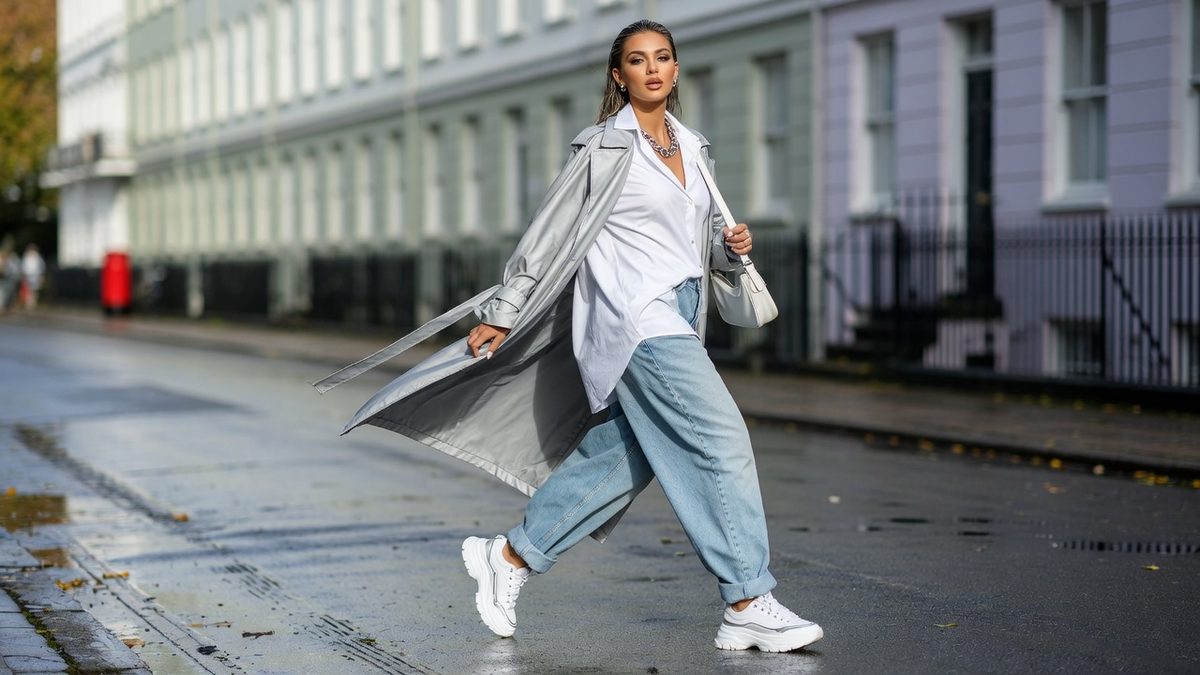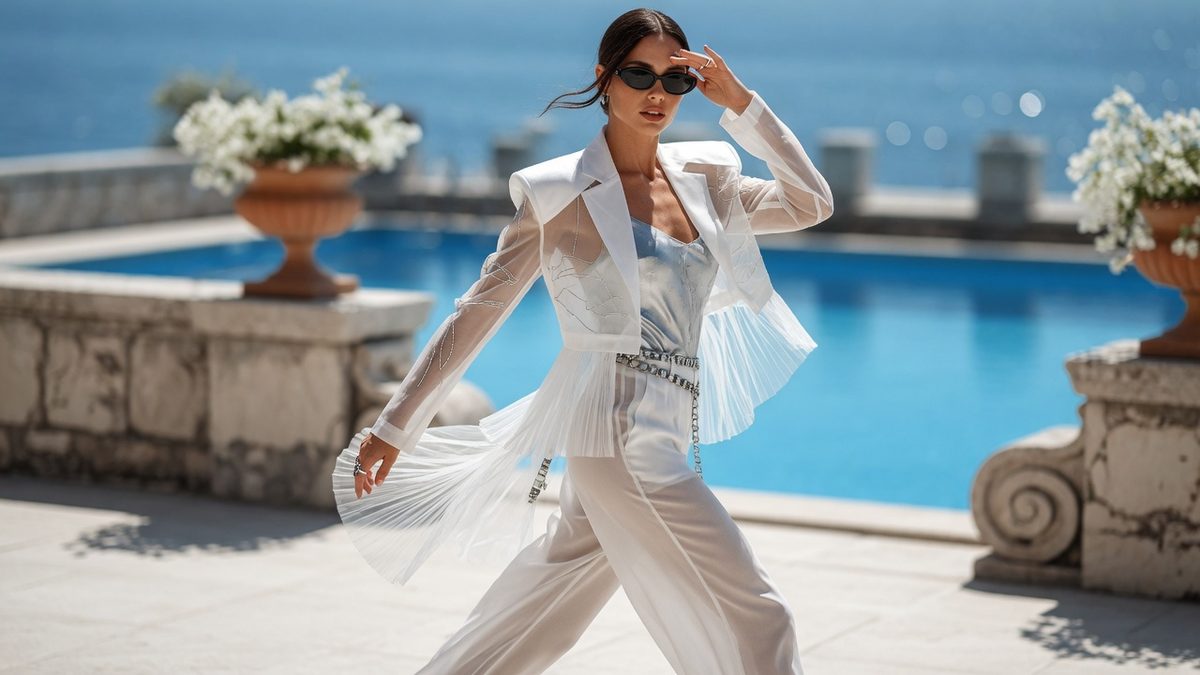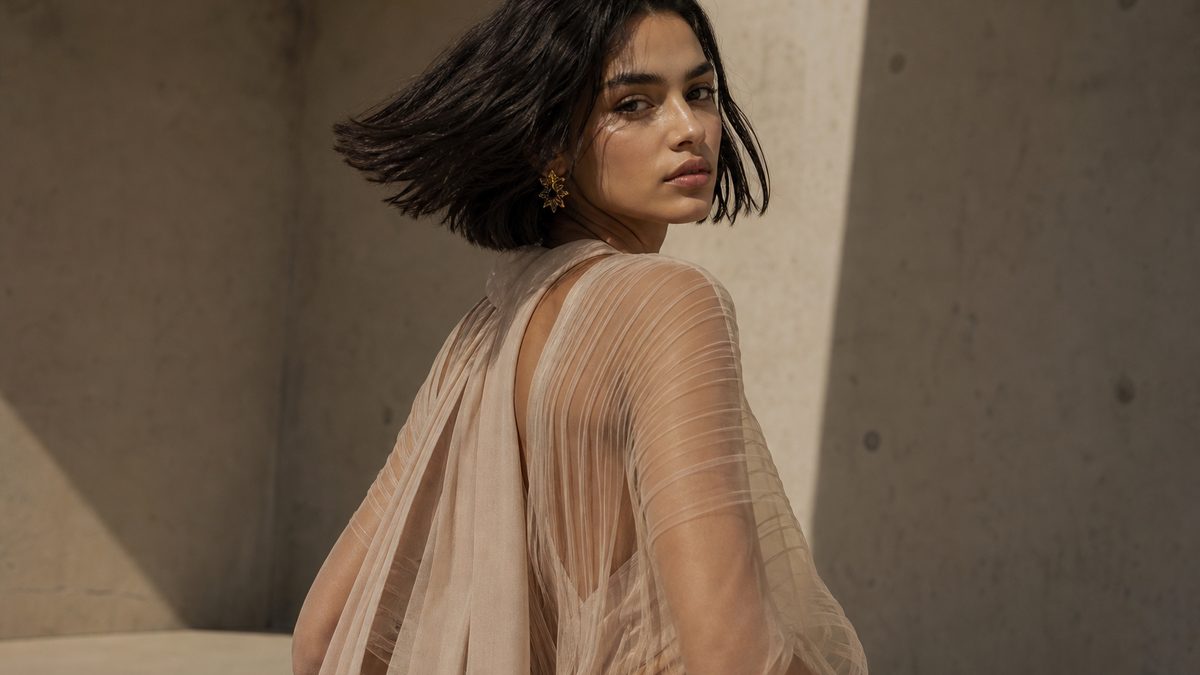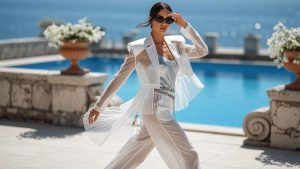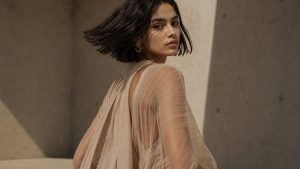
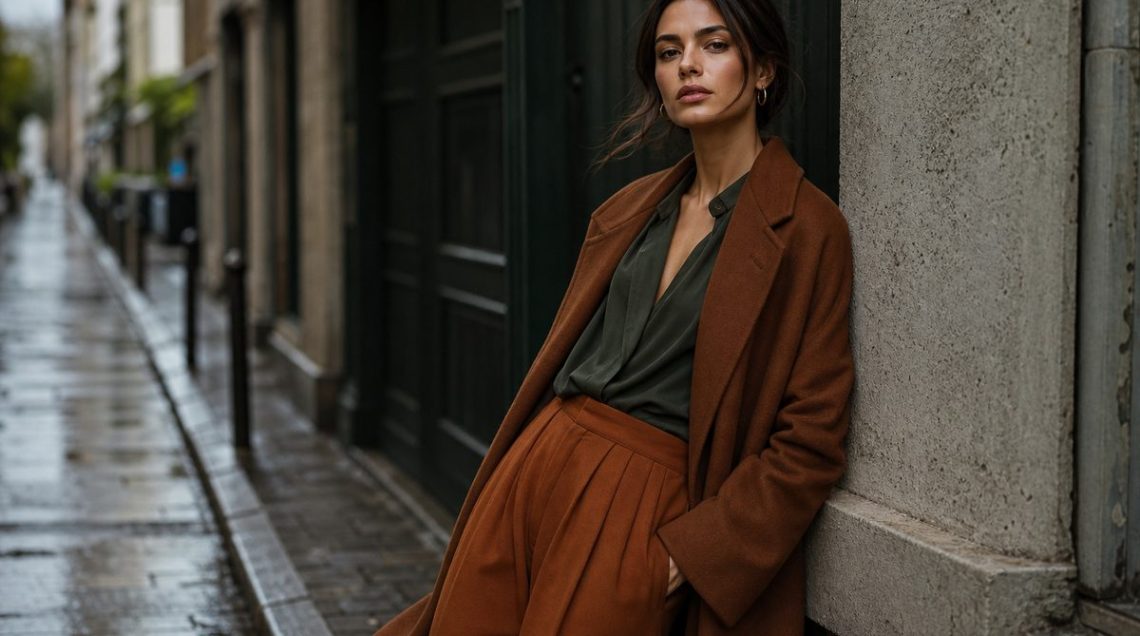
The search spike for ‘no fuss no frills’ isn’t a coincidence, it’s a recalibration. After years of oscillating between archival maximalism and the polished rigidity of quiet luxury, British wardrobes are gravitating toward something simpler, but not softer. This is pragmatic elegance with personality: pieces that telegraph confidence without telegraphing effort, fabrics that speak louder than logos, and silhouettes that feel lived-in rather than styled within an inch of their lives.
But here’s the tension no one’s naming yet: true no-frills dressing is actually harder to execute than the trends it’s replacing. There’s nowhere to hide when your outfit is a white cotton poplin shirt, wide-leg linen trousers, and ballet flats. Fit becomes forensic. Fabric quality becomes the entire conversation. And the margin for error, between effortless and underdressed, is thinner than you think.
What ‘no fuss no frills’ actually means (and why it isn’t quiet luxury)
Let’s draw the line clearly: no fuss no frills is not quiet luxury’s British cousin. Quiet luxury was about aspiration wrapped in cashmere, The Row, Loro Piana, a very specific kind of moneyed restraint. No fuss no frills strips that aspiration away entirely. It’s Jil Sander’s SS26 runway, where pared-back colour-blocking felt almost utilitarian. It’s Toteme’s chic minimalist silhouettes season after season, or Victoria Beckham’s classic grey suiting at SS26 that read less ‘boardroom power’ and more ‘I don’t need to prove anything’. The ethos is pragmatic, not precious.
The difference is intent. Quiet luxury whispered wealth. No fuss no frills whispers nothing, it just works. Think COS’s timeless minimalist pieces on the UK high street, or Reiss’s polished effortless pre-AW26 collection that Grazia UK flagged in August 2026. These aren’t investment buys designed to signal taste; they’re unfussy workhorses that happen to look expensive because the cut is clean and the fabric holds up.
London-based stylist Monikh Dale has built a reputation on this tension, relaxed-meets-precise dressing that never feels try-hard. Her single rule? ‘Unfussy pieces only work when one element, a fabric, a colour, a shoe, does the talking. Otherwise it reads as underdressed, not effortless.’ That’s the tightrope. A heavyweight jersey vest and wide-leg cotton trousers can look extraordinarily chic or catastrophically flat, depending on whether the jersey has weight and the trousers have the right break at the ankle.
Why unfussy dressing is secretly harder than maximalism
Maximalism is forgiving. A vintage Westwood blazer, clashing prints, stacked jewellery, the chaos is the point, and minor missteps dissolve into the overall effect. No fuss no frills offers no such cover. When your entire outfit is three pieces and they’re all neutral, every proportion has to sing. The fabric can’t pill. The hem can’t sag. The shoe can’t look cheap.
This is why natural fibres are the non-negotiable backbone of the look. Cotton poplin, washed linen, heavyweight jersey, these materials carry inherent credibility. Synthetic fabrics, no matter how well-cut, expose the aesthetic as cheap rather than pared back. It’s the difference between a With Nothing Underneath shirt (the London-based brand beloved by fashion editors for unfussy shirting) and a high street approximation in poly-blend. One looks intentional; the other looks like you gave up.
The contrarian truth: no-frills dressing demands a level of garment literacy that maximalism simply doesn’t. You need to understand how a sleeve should sit, why a slightly dropped shoulder makes a T-shirt look considered rather than slouchy, and which ballet flats, 2026’s sleeker, sock-like iteration with a slim sole, per FashionNZ, will elongate rather than truncate your leg line. There’s no pattern or embellishment to distract from a bad fit.
7 ways to wear the no fuss no frills look right now
1. The proportion formula: one relaxed, one precise. Wide-leg cotton trousers (the no-frills summer uniform staple) paired with a fitted ribbed vest. The trousers are loose, so the vest must be body-skimming, never both loose, or you lose definition entirely. Arket’s Nordic no-frills ethos nails this balance every season.
2. The monochrome shortcut. Head-to-toe grey, charcoal trousers, dove-grey knit, slate ballet flats. Monochrome in neutrals reads as intentional minimalism rather than matchy-matchy, especially when textures vary (smooth cotton, soft merino, supple leather). Victoria Beckham’s SS26 grey suiting is the blueprint.
3. The investment shoe. When the rest is pared back, one elevated piece anchors the look. Bottega Veneta’s unfussy leather accessories, particularly their butter-soft flats or totes, transform a simple linen dress and cotton tee into something that feels finished, not flat.
4. The oversized white shirt, worn properly. Not boyfriend-fit, not slouchy, properly oversized, in crisp cotton poplin, sleeves rolled twice, tucked asymmetrically into high-waisted trousers. With Nothing Underneath has mastered this: their shirts have enough structure that ‘oversized’ doesn’t collapse into shapeless.
5. The uniform builder. Pick three pieces and rotate them relentlessly: wide-leg black trousers, white ribbed vest, navy linen blazer. Hush’s everyday-wearable pared-back pieces are designed for exactly this kind of repetition, they don’t tire visually because there’s nothing extraneous to tire of.
6. The unexpected texture. Heavyweight jersey in an unexpected place, a jersey midi skirt instead of cotton, a thick-knit polo instead of a T-shirt. The weight signals quality and makes the simplicity feel deliberate rather than default.
7. The anti-accessory accessory. A single piece of jewellery or a structured leather bag, but never both. The point is restraint, and restraint only works when it’s absolute. One gold hoop, or one sleek Bottega tote. Not a stack of both trying to compensate for a quiet outfit.
The no fuss no frills moment isn’t about rejecting fashion, it’s about rejecting the performance of it. But as the search data suggests, more people are Googling the term than are actually pulling it off successfully, because the gap between ‘unfussy’ and ‘unfinished’ is deceptively narrow, and closing it requires the kind of attention to detail that most trends let you skip.