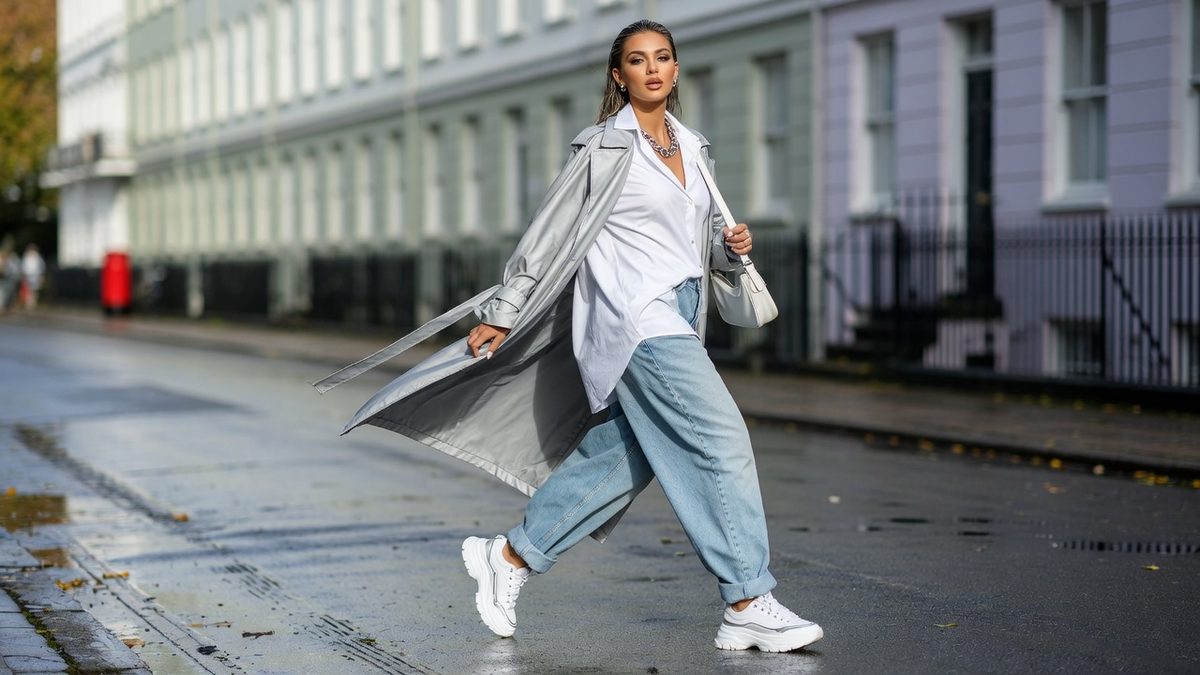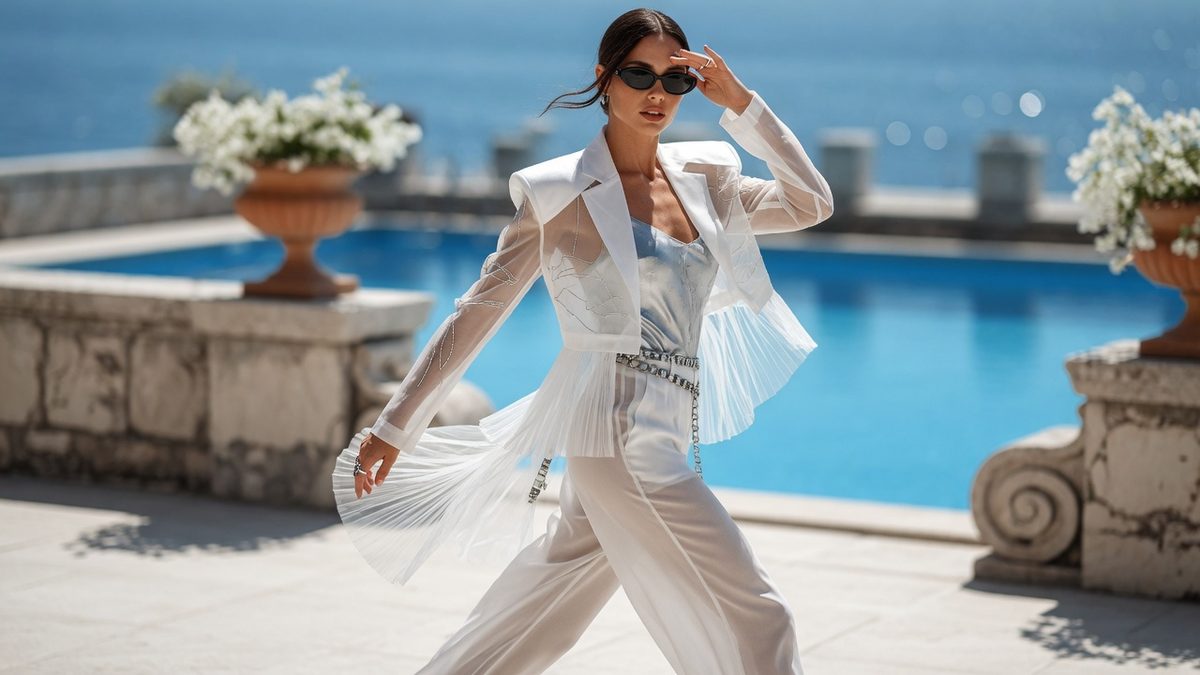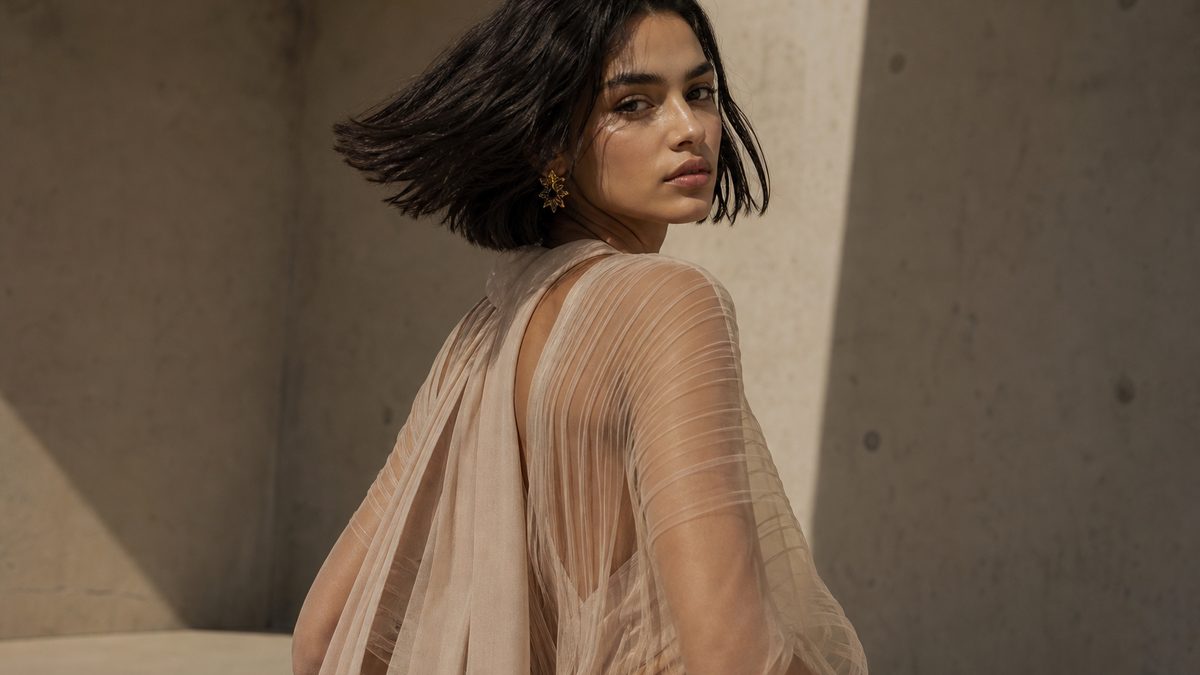
Google Trends UK is currently ablaze with a curious search: ‘the 29 looks that’. Not a brand, not a celebrity, not even a single garment, but a curated wardrobe thesis. The phrase signals something deeper than seasonal hype: it captures the fatigue of churn-and-burn fashion and the hunger for a smarter, more durable approach to getting dressed. According to Stitch Fix Stylists data, trend fatigue is the dominant consumer sentiment heading into 2025, with shoppers actively seeking longevity over novelty. The 29 looks that actually last beyond one season, anchored in SS26 runways and rooted in wearable proportion, offer a new vocabulary for post-trend dressing.
This isn’t a shopping list. It’s a framework. Each of the 29 looks pairs a directional runway reference with a real-world longevity argument, from Simone Rocha’s lily-wrapped organza to Burberry’s psychedelic checks and Chloé’s bloomer trousers. The wardrobe rewards editing, not accumulation. And in a market saturated with ’90s nostalgia and quiet luxury reiterations, the 29 looks propose something smarter: a wardrobe architecture built on proportion, versatility and one transformative styling trick that works across multiple categories, the Alexa Chung silk-scarf-at-waist move, now confirmed as a street-style signature across London and codified on the Dries van Noten and Chanel Métiers d’art runways.
The signal: why ‘the 29 looks that’ is Google’s new fashion shorthand
The phrase itself is telling. Not ‘trends’, not ‘must-haves’, but ‘looks that’, an incomplete sentence that invites completion. What do they do? They last. They work. They resist obsolescence. The search query reflects a shift in how the UK fashion audience engages with newness: less aspirational, more editorial, quietly sceptical. It’s the linguistic cousin of ‘quiet luxury’ but without the class baggage, a pragmatic, wardrobing-focused mindset that privileges coherence over statement.
Google’s categorisation under ‘fashion’ confirms the term’s crossover from insider editorial to mass search behaviour. The 29 looks aren’t prescribed by a single magazine or influencer, they’re an emergent consensus, stitched together from SS26 runway analysis, stylist intel and real-world wearability filters. The number itself, 29, feels deliberate, specific enough to signal curation but expansive enough to cover a full seasonal wardrobe. It’s a Goldilocks figure: not a capsule (too minimal), not a haul (too excessive), but a considered system.
Cultural roots: trend fatigue, the SS26 runways and a London rewrite
Trend fatigue is no longer anecdotal, it’s structural. Stitch Fix data flags the 90s revival, varsity styling and wide-leg denim as categories approaching saturation, while top style influences for 2025 include Jennifer Aniston, Taylor Swift and Anne Hathaway, figures known for wardrobe consistency, not volatility. The SS26 runways responded with a quieter, more intricate language: Erdem’s hourglass silhouettes in intricate lace and colourful brocade, Simone Rocha’s organza lily wraps and Crocs-collaborating ballet pump sneakers, Jonathan Anderson’s Dior debut and Matthieu Blazy’s mid-century Chanel reboot anchored by red scarf styling at the Métiers d’art show in Manchester.
London’s avant-garde, Dilara Findikoglu, Harris Reed, provided the conceptual spine, while accessible brands like Nobody’s Child and Reformation translated ballet pink and bloomer trousings into wearable, sustainable propositions. The city’s street style became a live laboratory: Alexa Chung’s silk scarf knotted at the waist, worn over everything from blazers to slip dresses, crystallised the season’s smartest one-item upgrade. Meanwhile, tartan, deployed by Chanel in Manchester and Dior Cruise 2025’s Mary Queen of Scots homage, dominated autumnal coverage. But the overlooked rival is Burberry’s psychedelic checks, debuted for SS26 with a Glastonbury-referencing energy. Easier to wear, more directional, less heritage-bound.
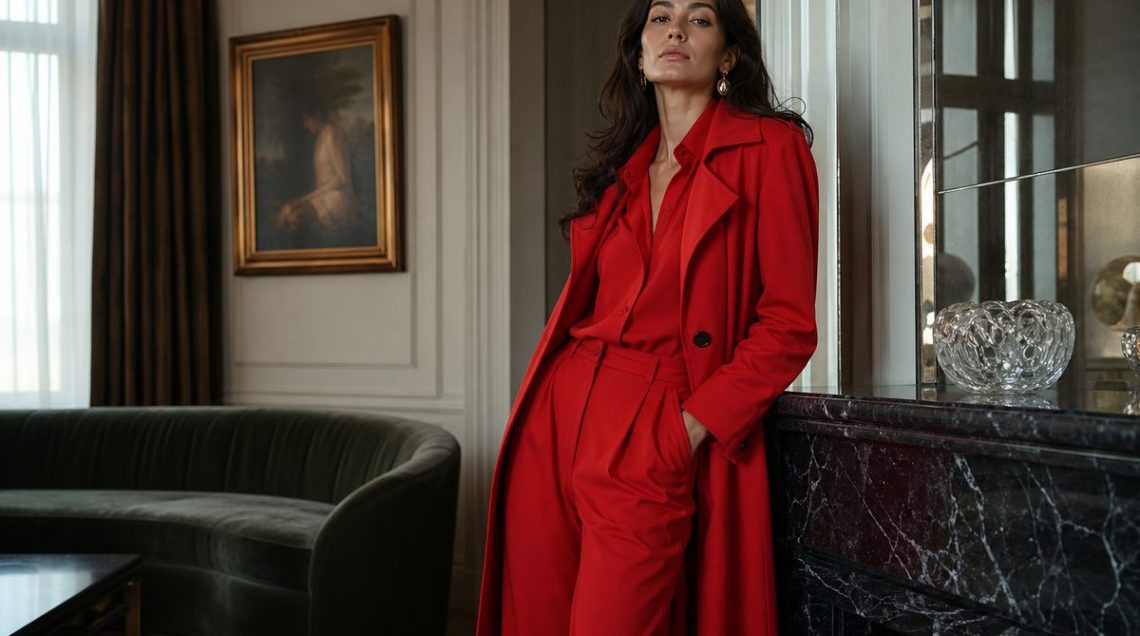
Other SS26 codes folded into the 29: ripped jeans returned via Brandon Maxwell, Simkhai and Area. Mermaid silhouettes surfaced at Prabal Gurung and Tanner Fletcher. Ballet flats paired with striped knee-high socks became the season’s most copied footwear formula. Jacquard, bold, architectural, anchored FW26 at Michael Kors, Dior and Giorgio Armani. Chili Red, declared Stitch Fix’s 2026 Colour of the Year, and brown leather, flagged by Marie Claire as AW25’s tonal anchor, completed the palette. Meryll Rogge’s electric blue offered the contrarian pop. Each piece earned its place not through virality but through stylistic utility.
How to wear it: proportion rules, three budgets and the scarf-at-waist hack
The 29 looks only work when proportion is calibrated. Bloomers, championed by Chloé for AW25 and now a wardrobe staple, demand a strict hemline rule: the trouser must hit the top of the boot, never mid-calf, or the silhouette collapses into costume. Chunky knits require a fitted bottom to avoid volume overload; Simone Rocha’s organza pieces need structure underneath to prevent drowning. The mermaid silhouette flatters when the flare begins at mid-thigh, not the knee. Ballet flats with knee-high socks work only when the sock stripe is thin and the flat is streamlined, anything chunkier tips into fancy dress.
Budget versatility matters. One look, three price points: bloomer trousings can be sourced secondhand (charity shops across London are flush with wide-leg vintage alternatives), high street via Nobody’s Child or Reformation, or designer via Chloé and Simone Rocha. Psychedelic checks: Burberry at the top end, vintage archive scarves from Portobello, or reworked shirts from emerging London brands. Erdem’s lace can be approximated with vintage slip dresses layered under blazers; the hourglass silhouette is a tailoring trick, not a price tag.
The scarf-at-waist hack is the wardrobe’s silent multiplier. Alexa Chung’s version, a silk square knotted asymmetrically at the hip, works over tailoring, dresses, even denim. Dries van Noten styled scarves as sarongs; Chanel’s Métiers d’art show used red silk to punctuate tweed. The move adds shape, colour and a finish without new garments. It transforms the bloomer trouser from tentative to editorial, anchors an oversized knit, sharpens a slip dress. One scarf, nine of the 29 looks instantly elevated. Apply the proportion rules, choose your budget tier, add the scarf. The wardrobe writes itself, and crucially, it doesn’t rewrite next season.