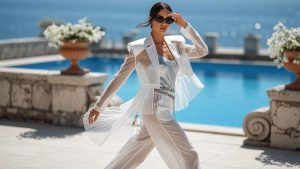
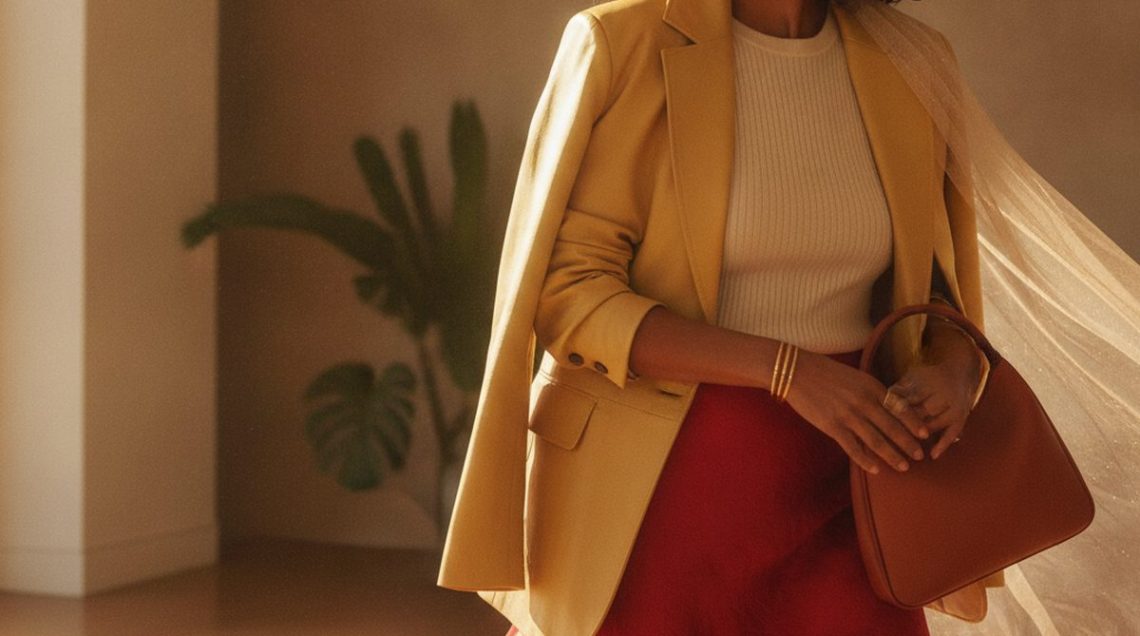
We need to talk about the slip skirt. Not because it’s dead, far from it, but because the conversation around it has become maddeningly binary. Either you’re camp ‘throw them all out, they’re so 2024’ or you’re still clinging to your M&S midi like a life raft. Both positions miss the point entirely. The slip skirt isn’t over; you’re simply wearing the wrong one, and the difference between chic and cheap comes down to something most trend reports wilfully ignore: fabric weight, opacity, and construction. When Victoria Beckham showed lace-trim slip skirts for FW25 and Prada layered sheer iterations for SS26, they weren’t resurrecting a trend, they were reminding us what the silhouette looks like when it’s done properly.
The problem is ubiquity without discernment. Walk down any British high street and you’ll see slip skirts everywhere, but most are cut from tissue-thin polyester that clings in all the wrong places and reads ‘nightwear’ rather than ‘evening’. The same shape in hammered silk, heavy crepe-back satin, or even a structured cotton-blend twill? Completely different garment. That’s the fabric truth nobody’s telling you, and it’s the reason the slip skirt has become fashion’s most divisive silhouette.
Sorry, slip skirts are chic, the fabric truth nobody’s telling you
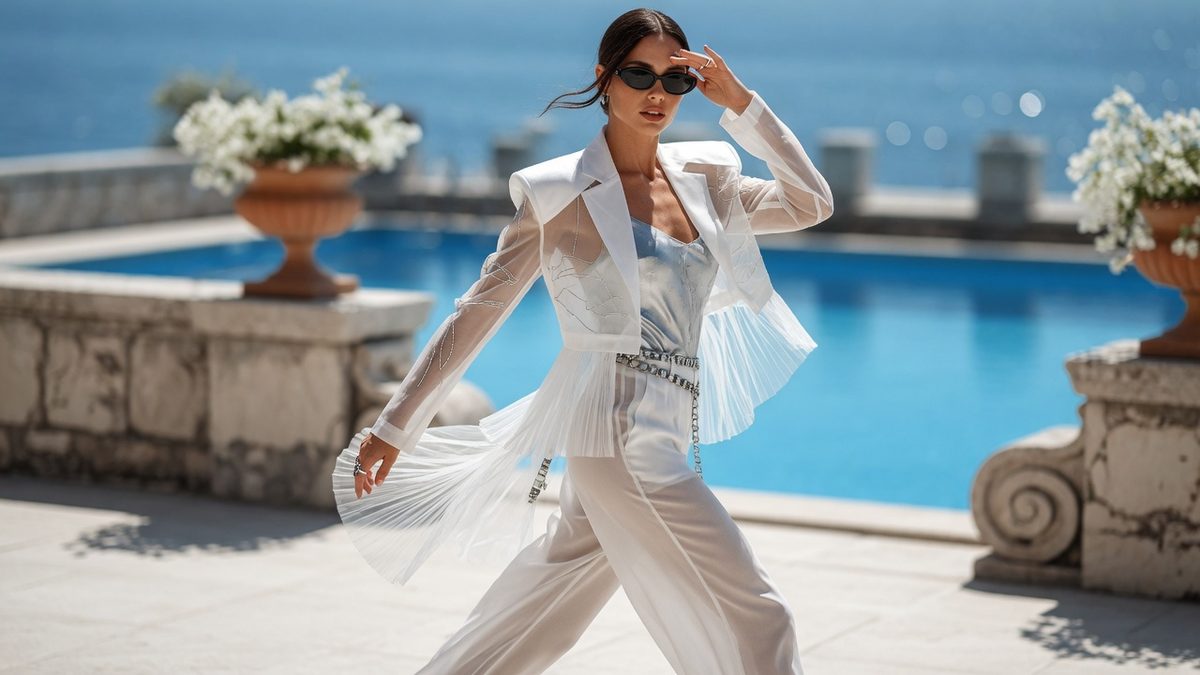
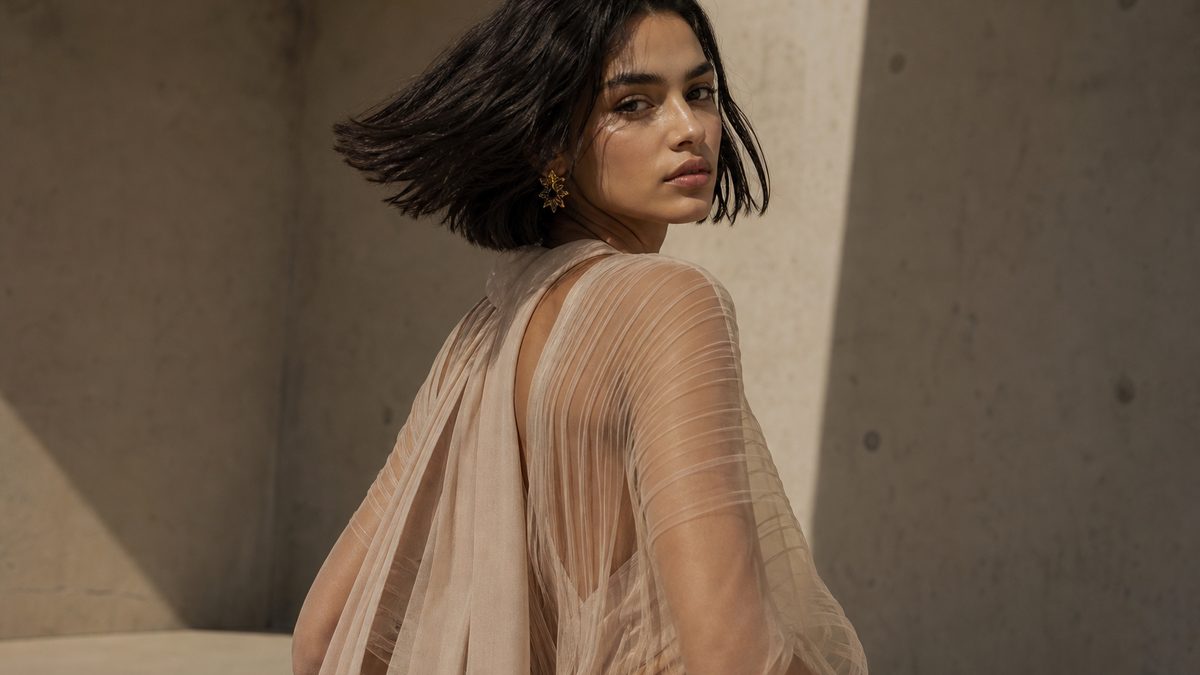
Let’s be blunt: a slip skirt in flimsy polyester satin is what’s making the trend feel cheap and ubiquitous, not the silhouette itself. The slip skirts that still look directional, the ones Alexa Chung wears with lace trim and kitten heels, the ones Calvin Klein’s Veronica Leoni tailored to knee-length for SS26, are built from fabrics with heft. Hammered silk holds its shape without clinging. Crepe-back satin has enough body to skim rather than suction. Even Acne Studios’ sheer slip-style skirts for SS26 work because they’re double-layered and cut on the bias with precision, not just run up from a single panel of see-through poly.
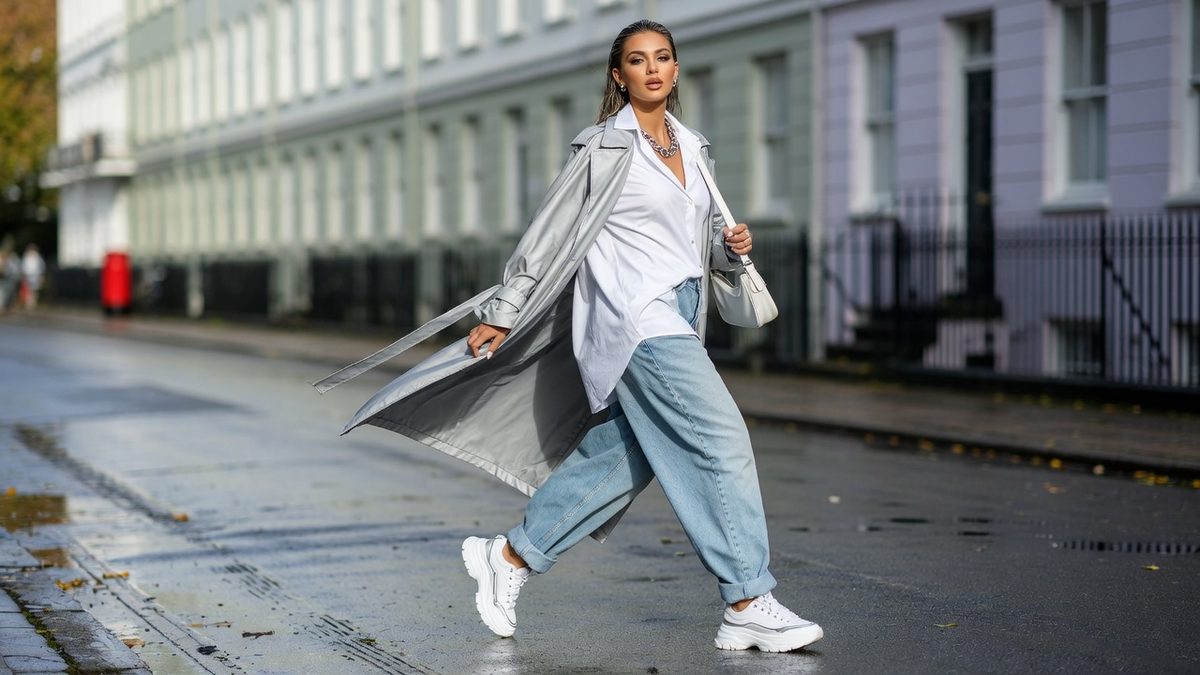
The visual proof is in the styling. When you see a slip skirt that reads expensive, it’s almost always paired with structure elsewhere, a tailored blazer, a crisp shirt, a leather jacket. Simone Rocha’s wispy pleated skirts at AW25 LFW worked because they were shown with chunky knits and hardware; Alberta Ferretti’s sheer butter yellow maxi for SS26 was styled over opaque underlayers. The fabric does half the work, but the styling contract, treating the slip like suiting rather than lingerie, does the rest. If your slip skirt feels flimsy, no amount of clever styling will rescue it. Bin it and start again with something that has weight.
Here’s the contrarian stylist’s rule that actually works: pair your slip skirt with a structured blazer, belt it at the waist, and wear kitten heels rather than the ubiquitous trainers or flat sandals every competitor outlet recommends. That combination, structure plus fluidity, masculine tailoring plus feminine drape, is what makes the slip skirt feel current rather than leftover. Gucci’s sequin skirts for SS25 and Saint Laurent’s leather iterations for FW26 both leaned into this tension. Even Chanel under Matthieu Blazy is showing drawing-room skirts for FW26 that nod to the slip’s DNA but anchor it in tailoring codes.
Why the ‘sorry’ headline hides fashion’s most divisive silhouette
The ‘sorry’ format, ‘sorry, but X is back’ or ‘sorry, Y is over’, has become social media’s favourite permission-giving rhetoric. It’s a linguistic tic that lets editors and influencers plant a flag without sounding didactic. But it also reveals something deeper: the slip skirt has become so polarising that we need an apology prefix just to discuss it. Why? Because it’s the silhouette that most clearly separates those who understand fabric and proportion from those who think a trend is a trend is a trend, regardless of execution.
The slip skirt’s divisiveness is generational, yes, Gen Z often reads it as ‘mum’s wedding guest outfit’ while millennials cling to their Reformation midis, but it’s also technical. A slip skirt requires a certain confidence with proportion because it has no forgiving structure: no waistband to nip you in, no pleats to add volume, no A-line to balance hips. It’s pure column, and if the fabric is wrong or the length is off, the whole thing collapses. That’s why midi-length slips hitting below the knee, rather than the ankle-grazing maxis that dominated 2023-24, are the length currently favoured by the most forward dressers. The midi shows the shoe, avoids the ‘almost-a-nightgown’ read, and crucially, works with the proportions of the oversized blazers and chunky knits that define AW25 and FW26 runways.
Dries Van Noten’s maximalist fringe skirts and Prada’s utilitarian skirts for FW26 both reject the slip’s minimalism, but they’re responding to the same question: how do you make a skirt feel like a statement rather than a default? The slip skirt’s crime isn’t that it’s boring, it’s that it’s been poorly executed so often that the silhouette itself has become a shorthand for ‘I didn’t try’. Which is why the apology headline resonates: we’re asking for permission to reclaim it.
How to wear the slip skirt in 2026 without looking like everyone else
First, get the length right. A midi that hits below the knee is the proportion that works now, it’s what you’ll find at Arket, & Other Stories, and Finery London if you’re shopping the UK mid-market, and it’s the length that allows you to show your shoe choice (which matters more than ever). Ankle-grazing maxis are still around, but they require a very specific styling context, barefoot insouciance or evening drama, and they’re much harder to make feel current in daylight.
Second, treat the slip like suiting. Belt it over a structured blazer. Layer it under a cropped leather jacket. Tuck a crisp white shirt into it and add a skinny belt. The goal is to borrow the slip’s fluidity without surrendering to its limpness. Reiss and Nobody’s Child both do versions with enough body to take this kind of styling; avoid anything that puddles or clings when you move. If you’re feeling directional, try the slip-over-trousers layering trick that’s already surfaced on the SS26 runways, it’s a late-90s grunge nod that solves the British weather problem and refreshes the look simultaneously. Pair a midi slip over straight-leg trousers or jeans, leave the trousers visible at the hem, and add chunky boots or loafers. It’s the styling hack that makes the slip skirt work for a UK climate without looking like you’ve just conceded defeat to drizzle.
Third, invest in one slip skirt with proper construction rather than three cheap ones. Look for bias-cut silk, crepe-back satin, or even a structured cotton sateen. The weight should feel substantial in your hand; the fabric should have a slight resistance when you pull it. If it feels like a nightie, it’ll read like one. And finally, decide which camp you’re in: are you wearing the slip skirt because you genuinely love the silhouette’s fluidity and ease, or because you think you’re supposed to? Because the only thing worse than a cheap slip skirt is wearing one you don’t believe in. The slip skirt isn’t over, but your ambivalence about it might be the real problem.