The well-dressed woman in 2026 isn’t chasing more. She’s mastering less. Walk into any editorial showroom from Toteme to The Row and you’ll notice the same thing: the women who work there, the stylists who pull pieces, the consultants who advise clients, they all leave the building wearing one fewer thing than they arrived in. It’s a habit so consistent it has a name now: the one-item removal rule. Before she steps out, every well-dressed woman edits. A belt. A bracelet. A scarf. Something comes off.
This isn’t minimalism. It’s precision. And it’s rewriting the rulebook for how British women, from Sienna Miller types to Reiss regulars, approach getting dressed in a year where proportion, not personality, is doing the heavy lifting.
The habit every well-dressed woman shares (and it starts at the mirror)
The one-item removal rule is deceptively simple: assemble your outfit, walk to the door, pause at the mirror, and take one thing off. It’s the edit that separates intentional from over-styled. Stylists at Khaite and Victoria Beckham’s studio have been practising this for years; now it’s filtering into the vocabulary of every woman who shops COS, Massimo Dutti, or & Other Stories. The trick is knowing what to lose. If the necklace competes with the neckline, it goes. If the bag and shoes are both statement pieces, one gets swapped for neutral.
Fabric truth matters just as much. Real linen wrinkles in a way that reads relaxed, lived-in, expensive. Linen-look polyester wrinkles in a way that reads dishevelled. That single distinction, between intentional texture and accidental crease, separates a well-dressed woman’s summer wardrobe from an imitation of one. Brands like Jigsaw, Hobbs, and Rise & Fall have built their linen trouser lines around this principle: if it can’t wrinkle beautifully, it doesn’t belong in the edit.
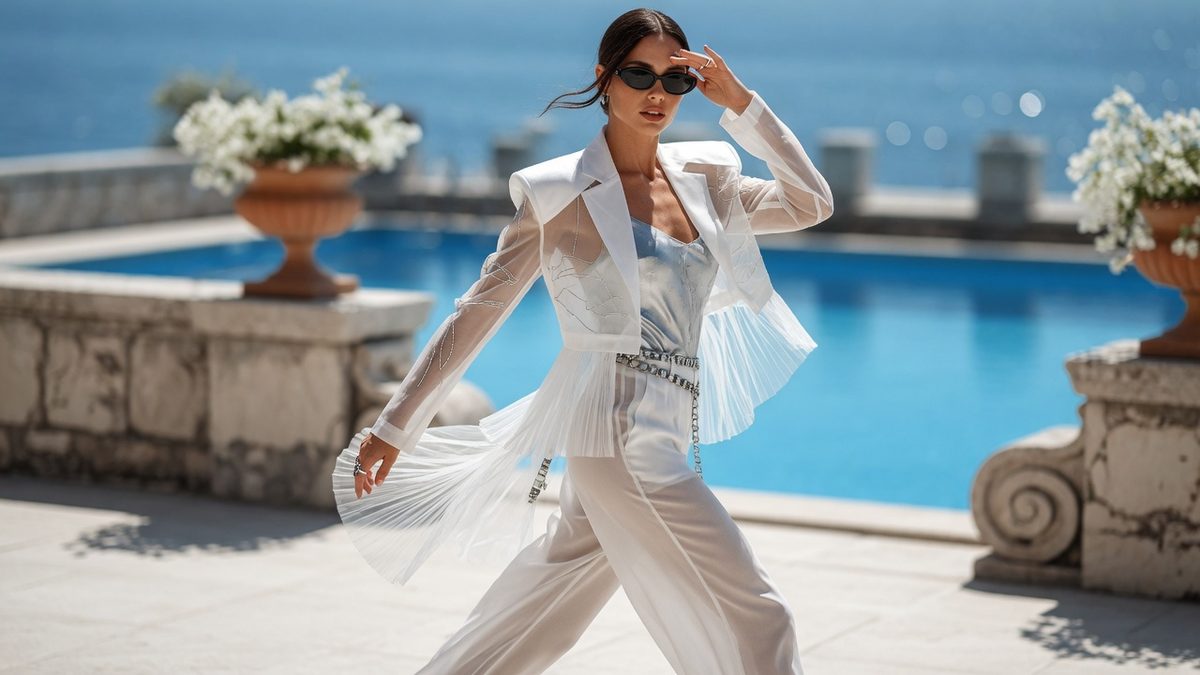
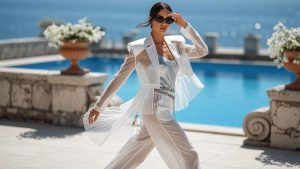
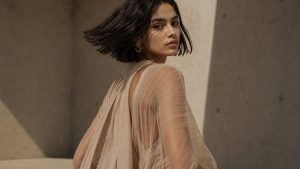
The post above captures exactly this sensibility: pared-back silhouettes, natural fibres, nothing competing for attention. It’s the visual proof that less, when done with precision, always reads louder.
Why quiet-loud luxury is the new proportion game
The well-dressed woman in 2026 isn’t choosing sides between quiet luxury and maximalism. She’s anchoring. A Valentino red coat over oatmeal trousers. A Missoni-esque knit with navy tailoring. One loud piece, surrounded by a quiet base. The result: personality without costume energy. Retailers from Stella McCartney to Bottega Veneta are leaning into this hybrid move, bold colour or print, but never head-to-toe. The outfit has a voice, but it doesn’t shout.
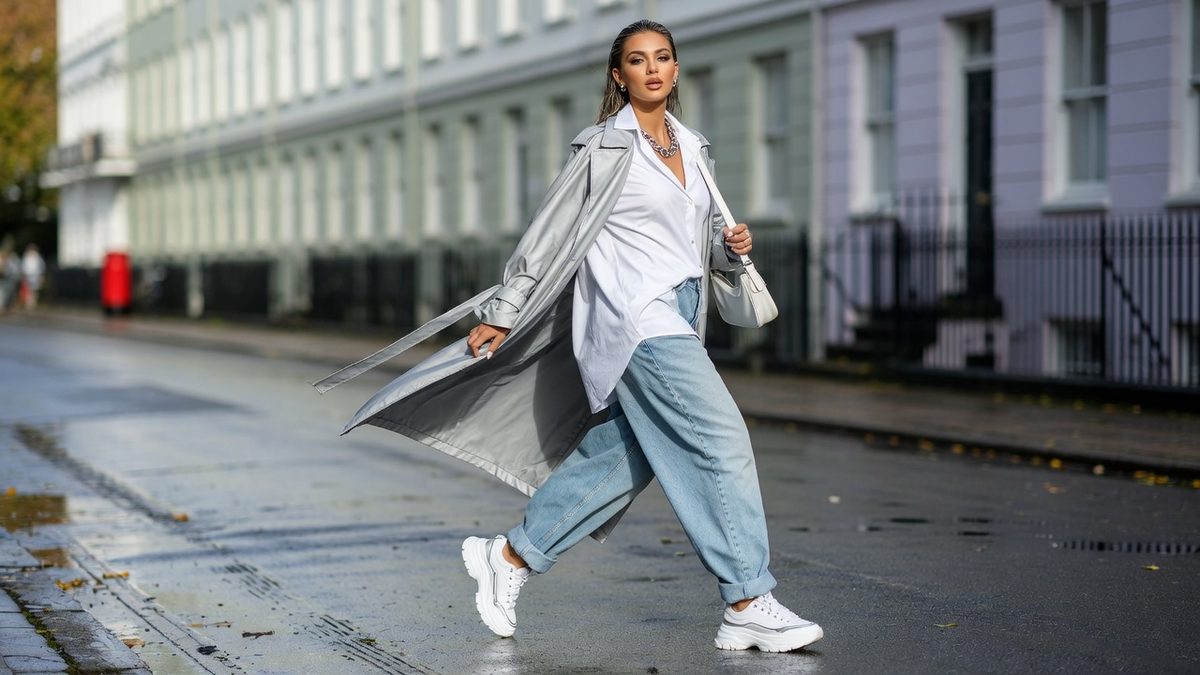
Proportion is where the real intelligence lives. Wide-leg trousers demand a fitted knit or tucked shirt. An oversized blazer needs a slim trouser or straight-leg jean. Volume must be offset, not doubled. This isn’t vague ‘balance’ language, it’s a rule with specific pairings. Zara’s cashmere-wool knit (the accessible quiet luxury hero of spring) works because it’s slim enough to anchor wide-leg linen from Phase Eight or Rise & Fall. The well-dressed woman understands this instinctively. She doesn’t guess at proportion; she engineers it.
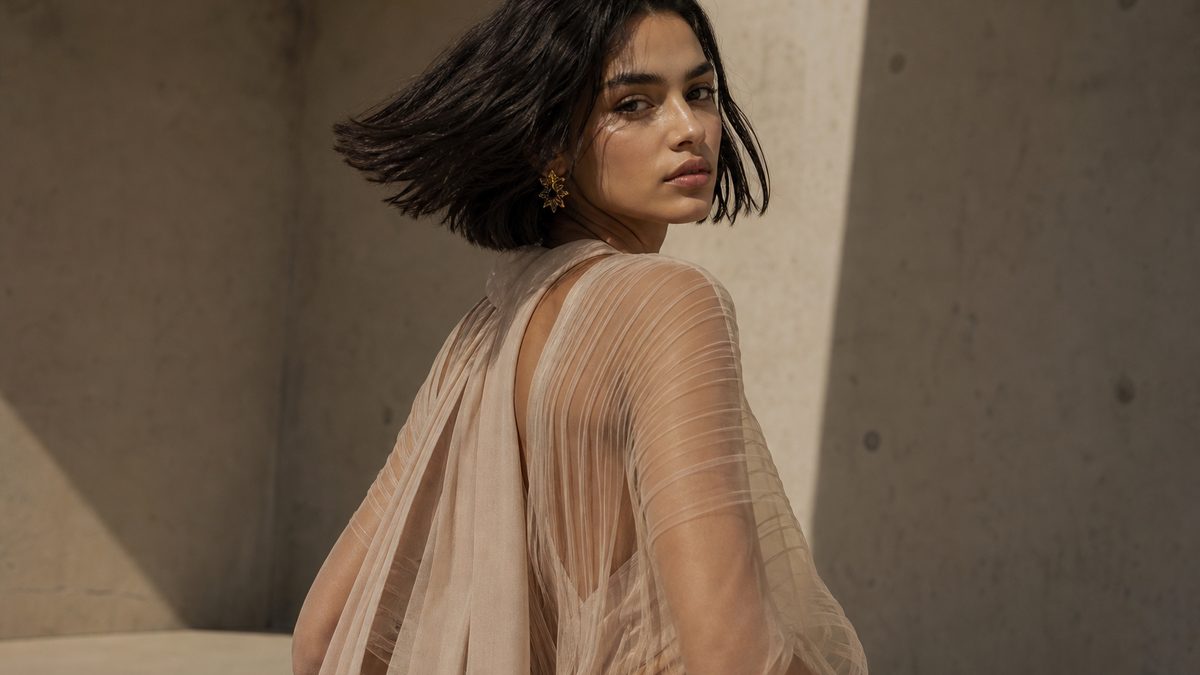
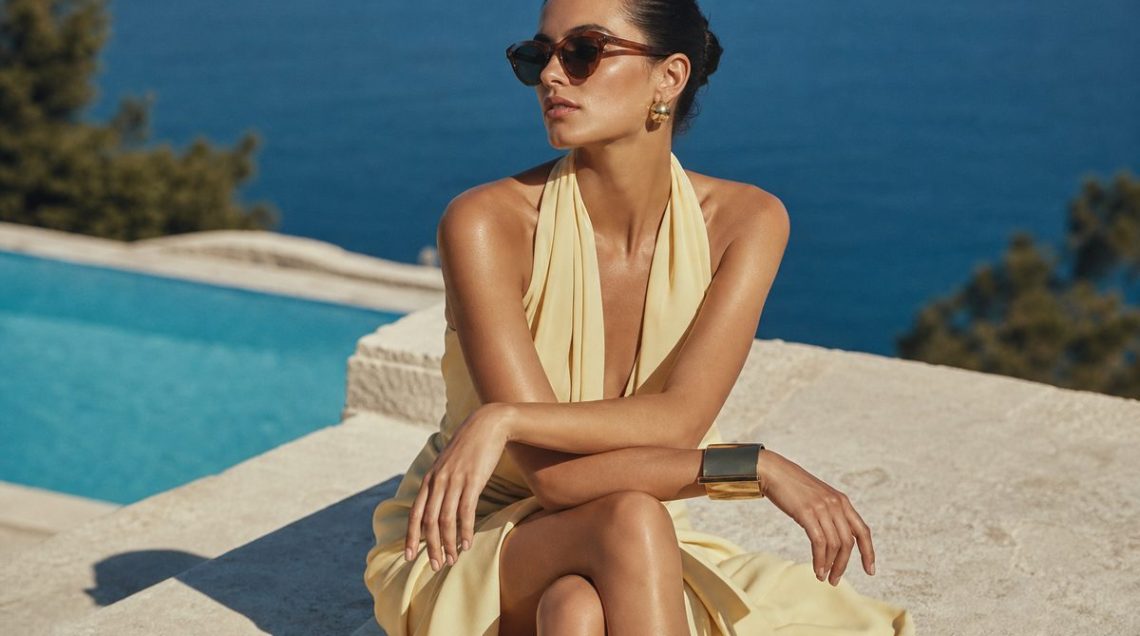
The styling in this post demonstrates the quiet-loud principle in real time: strong colour, restrained silhouette, nothing fighting for dominance. It’s a masterclass in how to make one piece work without letting it run the show.
How to build the 2026 wardrobe, and what to skip
Start with the staples the well-dressed woman never questions: tailored linen trousers (Rise & Fall, Reiss), a cashmere-blend knit in oatmeal or navy (Zara, COS), leather loafers or Reformation’s Inez pumps, a structured tote from Polène, and one swimsuit from Hunza G that doubles as a bodysuit under blazers. Layer in one loud anchor piece, a Chloé print blouse, a red knit, a striped linen shirt, and build the rest of the week around it. The wardrobe isn’t about volume; it’s about versatility with a point of view.
The skip list is just as important. Maximum maximalism, head-to-toe print, clashing patterns, novelty fringe on everything, is being quietly bypassed by the well-dressed woman in 2026. She’s not interested in looking like she tried that hard. Novelty trends that require full commitment (cargo pockets on every item, baby tees as outerwear, logomania redux) are being left to the influencer edit. The well-dressed woman wants pieces that last beyond a single season, that layer into next year’s wardrobe, that don’t announce their trend cycle the moment she walks into a room.
McQueen’s return to London Fashion Week signals something larger: British fashion is coming back to craft, to proportion, to the kind of dressing that rewards a second look. The well-dressed woman is already there, one edit ahead, waiting for the rest of us to catch up.