Chanel’s Coco Crush collection has quietly become one of the most resold pieces of fine jewellery in the UK secondary market, and that single fact is reshaping how shoppers talk about buying jewellery at all. These Chanel Fine Jewellery Pieces Are Made to Become Future Heirlooms is not a stray headline, it is the sharpest expression yet of a search pattern that keeps circling back to one maison’s archive codes.
The short answer for anyone landing here with one question, is Coco Crush worth buying as an heirloom, is yes at the entry tier, but the real heirloom conversation splits into two completely different purchases: accessible pieces like Coco Crush and Camélia built around 18-karat gold hallmarking, and a rarefied high jewellery tier, led by the Signes & Symboles collection, where value is driven by rarity and provenance rather than gold weight alone.
The signal: why Chanel’s Coco Crush keeps resurfacing
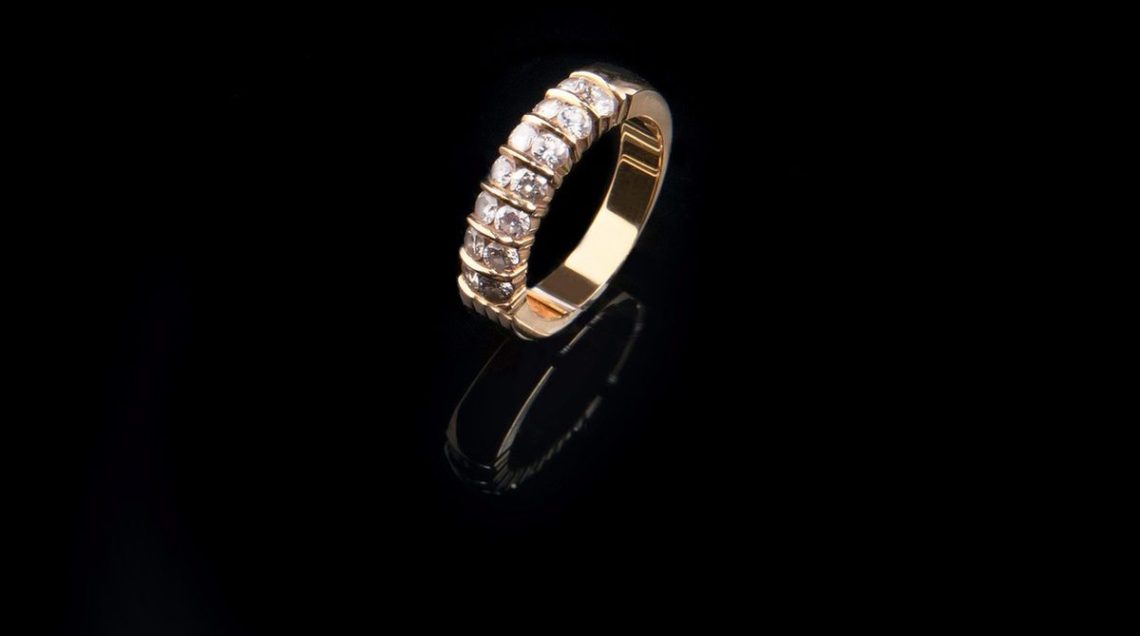
Coco Crush rings and bracelets have become the default reference point whenever resale and trade commentators discuss which contemporary fine jewellery actually holds its ground. Resale platforms and trade reports have repeatedly flagged Coco Crush as a standout for retaining a meaningful share of its retail price, a dynamic they tie directly to the piece’s quilted, matelassé-inspired design and its 18-karat gold hallmarking, which gives it a verifiable gold floor that costume and vermeil jewellery simply cannot match.
That same resale commentary has noted upward movement on specific Coco Crush references over the past few years, something trade sources attribute to tightening supply and growing recognition of the design as a modern classic rather than a seasonal release. The Bouton de Camélia earrings from the Camélia collection sit in a similar bracket: wearable, instantly recognisable, and anchored in Gabrielle Chanel’s own design codes.
The clip above, picked up by Harper’s Bazaar Singapore in its own coverage of this story, shows exactly the kind of close-up, hands-on framing that has fuelled renewed interest in these pieces: the quilted texture of Coco Crush catching light the way a well-worn signature bag does, which is precisely the visual cue resale buyers say they look for when a piece is being bought to last.
The cultural roots of the quiet heirloom obsession
This is not a Y2K logo revival or a maximalist statement-jewellery moment. It is quiet luxury’s natural extension into fine jewellery: pieces chosen for codes rather than branding, for craftsmanship rather than visibility. The lion, the star, the sun and the camellia are Gabrielle Chanel’s own design vocabulary, and their reappearance across Coco Crush, Camélia, and the newer Imprimé Lion Necklace and Imprimé Emeraude Ring gives collectors a closed, legible symbol system to buy into, the jewellery equivalent of quiet luxury’s logo-free tailoring.
At the top of that system sits Signes & Symboles, the high jewellery collection unveiled in 2026, which carries an added layer of scarcity that trade and creative-director coverage has connected directly to the heirloom argument: it stands as the final creative collection overseen by Patrice Leguéreau, director of Chanel’s Fine Jewellery Creation Studio, who died in November 2024. That provenance detail turns pieces from the collection into closed-edition objects in a way no amount of marketing could manufacture, which is exactly the kind of story line serious collectors chase.
It is worth noting that Who What Wear has already run a near-identical heirloom framing centred specifically on Camélia. The more useful read for anyone actually shopping is the one that gets less airtime: the mechanics of Coco Crush’s hallmark-backed resale value, and what separates a Signes & Symboles piece worth seven figures from a Chance or No. 5 fine jewellery piece worth a few thousand pounds.
How to buy a future heirloom without overpaying
Trade sources point to roughly the same four checks when assessing whether a piece of fine jewellery is likely to hold or gain value over time, and they apply differently depending on which tier you are shopping. For accessible heirloom pieces, the checklist is simple: a named, ongoing collection such as Coco Crush or Camélia rather than a one-off seasonal design, and 18-karat gold hallmarking that gives the piece an intrinsic floor value regardless of fashion cycles.
For high jewellery, the bar rises sharply. Collectors are advised to look for a genuine following around the specific collection, an independently verifiable rare centre stone, and complete original documentation, including certificates and provenance paperwork, before treating any piece priced north of $1m as a credible long-term asset rather than a one-season purchase. A Signes & Symboles piece without its paperwork, trade sources warn, is a much harder resale proposition than one with a full file.
The question most readers ask next is whether watches fit the same logic. Chanel’s Première and J12 lines carry the same lion, star and camellia codes as the jewellery, and trade watchers increasingly discuss them in the same breath as Coco Crush when the conversation turns to design-code continuity rather than complication-driven value. Whether that translates into comparable resale resilience is the next data point worth watching.