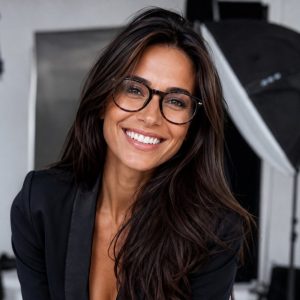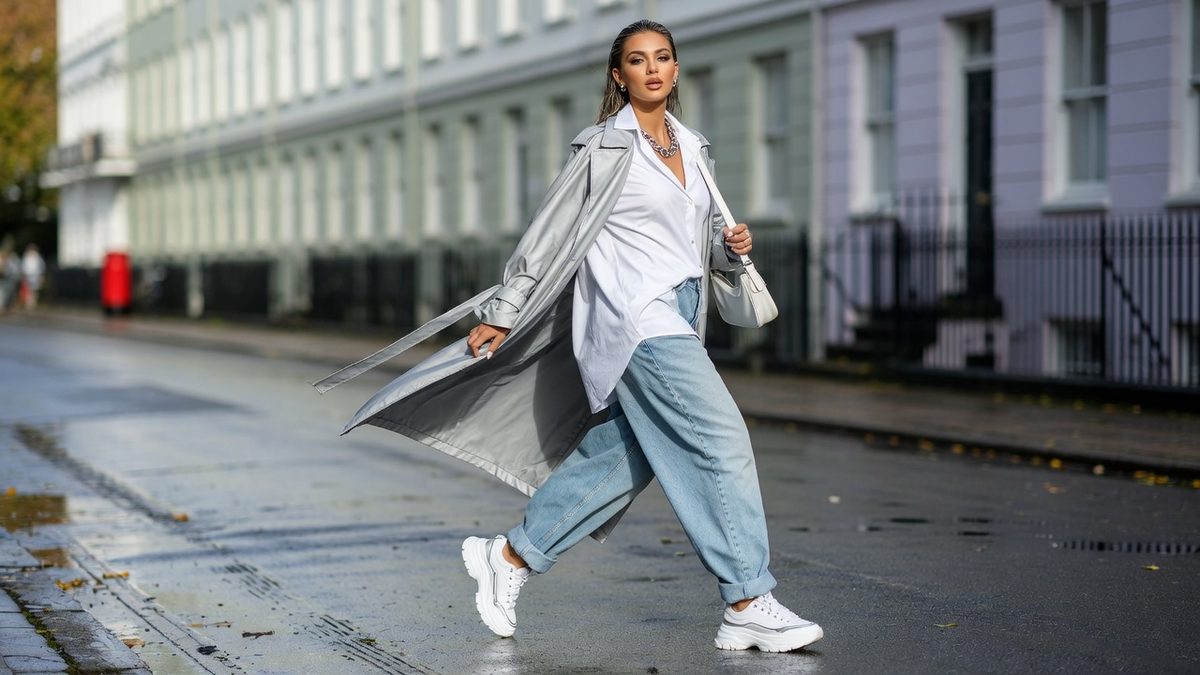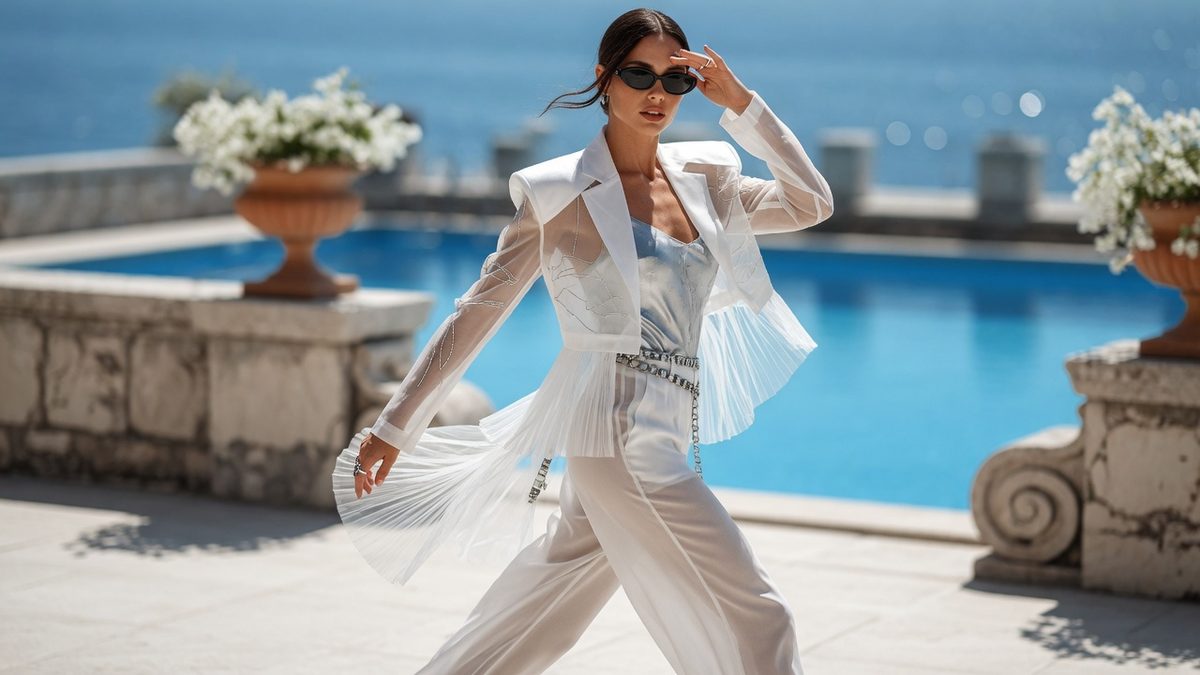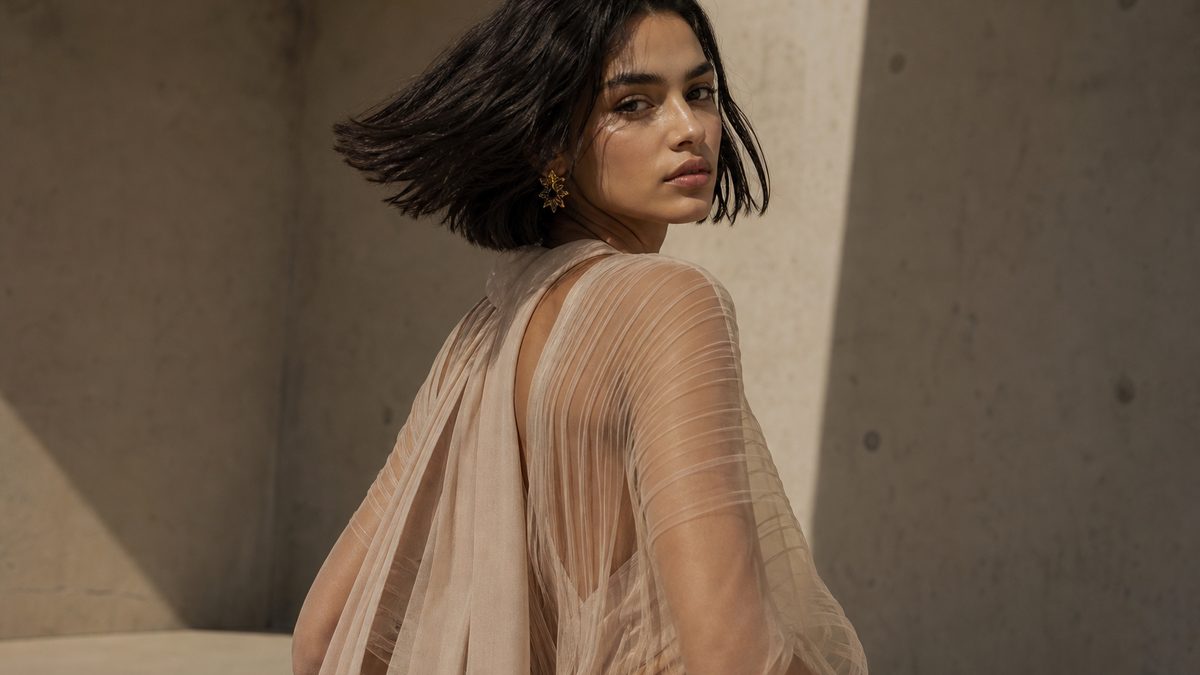
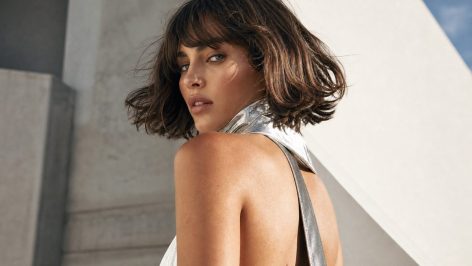
The pixie cut has long been sold as the ultimate low-maintenance short hairstyle, a liberating chop that frees you from the tyranny of the hairdryer. Except it’s a lie. A pixie demands a salon visit every three to four weeks to hold its shape, making it arguably the highest-maintenance cut in the short-hair canon. The real low-maintenance heroes? Four cuts that prioritise grow-out grace over geometric perfection: the curved bob, the French bob, the textured shag, and the natural curl crop. Each one can stretch eight to ten weeks between trims without losing its silhouette, and each requires just one styling product, or none at all.
This is the contrarian truth reshaping UK salon bookings in 2026. As Google Trends confirms explosive interest in ‘4 low maintenance short’ searches, stylists are reframing the conversation around proportion, texture, and what happens when you don’t have time to book an appointment. The curved bob, championed by UK-based hairstylist Issey Cook and worn by Bridgerton star Phoebe Dynevor, sits just above the shoulder so it naturally tucks under, eliminating the flick-out problem that plagues longer lobs. The French bob, with its blunt Parisian ends, holds shape on its own, no product needed. These are cuts built for real life, not for editorial perfection.
Why the curved bob and French bob are outlasting the pixie
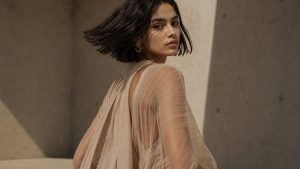
The curved bob’s genius lies in its sculptural concavity. Celebrity stylist Sky Kim describes it as ‘strong shapes with softness’, a 2026 forecast that’s already manifesting in UK salons. The cut graduates from shorter at the back to longer at the front, creating a line that hugs the jawbone and resists the awkward grow-out phase. Issey Cook’s proportion rule is precise: length must sit just above the shoulder. Any longer and the ends flick out; any shorter and you lose the bob’s signature tuck. This is the kind of actionable detail that separates a salon consultation from a regrettable DIY trim.
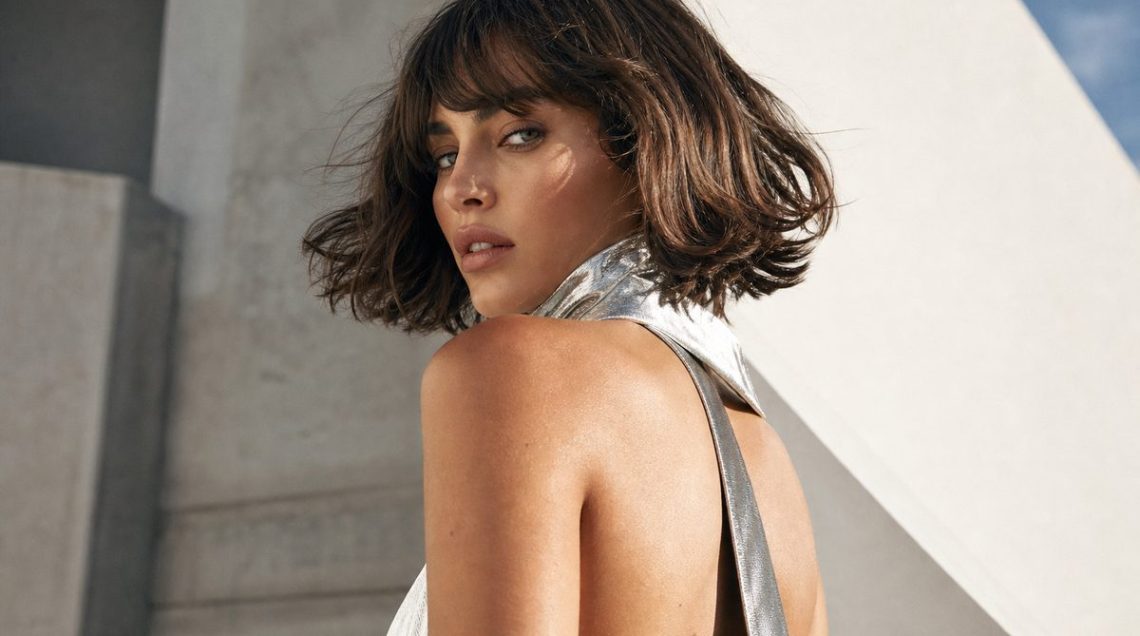
The French bob, meanwhile, is an exercise in minimalism. Blunt ends at chin length, no layers, no graduation. It’s the cut Victoria Beckham wore during her Posh Spice era and Helen Mirren has returned to repeatedly, a Parisian silhouette that reads as expensive precisely because it refuses embellishment. Rush Hairdressers, the UK salon chain, reports that the French bob’s appeal is twofold: it makes single-process colour look intentional (no highlights needed, saving money between visits), and it requires zero styling. Air-dry it, and the blunt line still reads sharp. This is the anti-pixie: a cut that gets better with neglect.
Short hair as a fashion decision, not a hair decision
Short hair in 2026 is less about washing-and-going and more about exposing real estate, specifically, the neck and collarbone. The French bob and curved bob create a frame for statement earrings, open collars, and the oversized blazers that dominate spring/summer runways. This is the fashion-pairing angle competitors miss: the cut isn’t just a haircut, it’s a silhouette decision. Boxy knits, deconstructed shirting, sculptural jewellery, all of these rely on an uncluttered neckline to land properly. The textured shag, on the other hand, plays into the editorial air-dry aesthetic: matte clay fingertipped through dry hair for that Indie Sleaze-meets-Quiet Luxury tension.
For natural curl textures, the crop is having a resurgence. Rogerio Cavalcante, known for his curly baby bobs, advocates for wash-and-go simplicity: curl cream, scrunch, walk away. No diffuser, no gel cast to break. Dimitris Giannetos forecasts a return to natural texture in 2026, and the natural curl crop, tailored for type 3 and 4 curls, is the clearest expression of that shift. It’s also the only cut on this list that actively improves with humidity, a rare advantage in the UK climate.
How to choose your cut (and the one product it actually needs)
Here’s the single-product map: the curved bob demands a round brush blow-dry to activate the tuck, one pass, medium heat, done. The textured shag needs matte clay applied with fingertips on dry hair, never wet, for separation without shine. The natural curl crop relies on curl cream and a scrunch, no diffuser required. The French bob? Nothing. Blunt ends hold their shape on their own, making it the only true zero-product cut in the quartet. This is the framework missing from Who What Wear UK and Cosmopolitan UK’s coverage, cuts matched to effort level, not aspiration.
If you’re between a pixie and a bob, ask yourself this: do you want to commit to a salon every month, or do you want a cut that forgives you for forgetting? The micro bob, chin-baring, balancing pixie sharpness with bob forgiveness, sits in the middle. Sky Kim calls it ‘the soft pivot,’ and it’s gaining traction among clients who want the drama of short hair without the maintenance trap. The lesson here is simple: the lowest-maintenance short cut isn’t the shortest one. It’s the one designed to grow, not to freeze in place.
And if the curved bob starts to flick out at week nine? That’s not failure, that’s the signal it’s time to book the next trim, which is still two months longer than a pixie would’ve given you.