The trick to wearing polka dots in summer 2026 without sliding into fancy-dress is to stop thinking about the print and start thinking about three variables: the size of the dot, the colour of the background, and the silhouette carrying it. Get those three calibrated to the occasion and the print does the work. Get one wrong and you look like you came in costume.
With Royal Ascot’s 2026 edition taking place between Tuesday 16 and Saturday 20 June, the shopping window is now, and polka dot is having a genuine moment on the British high street, from Rixo to M&S to & Other Stories. Here is the formula, occasion by occasion.
The two-of-three rule that kills the costume problem
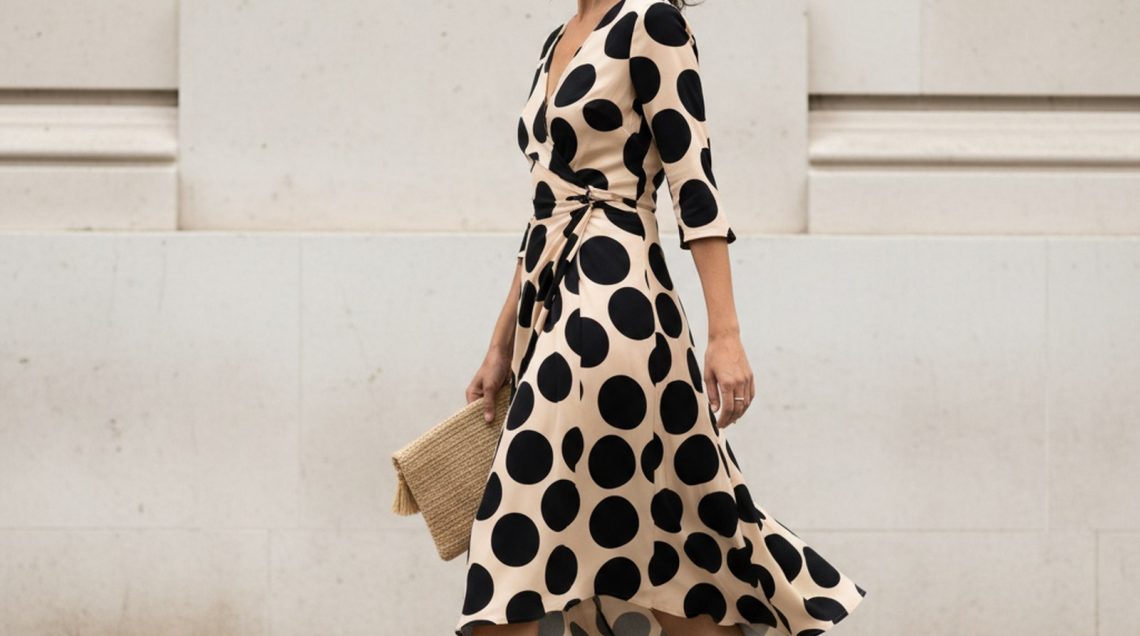
The single reason polka dots tip into fancy-dress is stacking too many vintage signals at once. A large dot, plus very high contrast (black on white), plus a puff sleeve and a full A-line skirt, reads as a 1950s tea-dance outfit before you have left the bedroom. The fix is brutal but reliable: pick two of those three signals, not all three.
You can have large graphic dots and high contrast if the silhouette is fluid (a bias-cut slip, a column, a drop-waist shift). You can have a voluminous puff sleeve and a fuller skirt if the dot is small and the contrast is soft (chocolate on cream, navy on ivory). The drop-waist midi is the single shape that most reliably avoids retro coding, because it is not associated with 1950s nostalgia in the first place; it reads gamine and twenties-modern instead.
Dot scale, decoded by occasion
Stylists talk about the “penny versus grapefruit” question, and it is more useful than the usual “small dots are subtle, large dots are bold” line everyone repeats. Scale should be matched to the formality and the light you will be standing in.
- Pin-dot (smaller than a 5p): reads as texture from three paces. Best for tailoring, blouses under suits, anything you want to register as a neutral. Garden lunches, the office, a christening.
- Penny-sized (1 to 2cm): the safest occasion-dressing dot. Legible without shouting. Works for weddings, Henley, the Queen Anne Enclosure at Ascot.
- Grapefruit (5cm and up): graphic, editorial, demands a clean silhouette and minimal everything else. Works on a column dress, a wide trouser, a slip skirt. Wrong on a puff-sleeve prairie shape.
If you are petite, a grapefruit dot can swallow you; stay penny-sized and let the silhouette do the lifting. Taller frames carry the large graphic dot beautifully, particularly on a fluid midi.
Fabric is the modernity signal nobody mentions
This is the part competitor pieces skip entirely. The same polka-dot print in two different fabrics reads as two different decades. Silk crepe de chine, cotton-silk blend, viscose with proper weight: these drape away from the body, the dots move with the cloth, and the print stays soft-focus. That is why Rixo’s spotted midis and the cult cool-girl labels (Réalisation Par, Faithfull the Brand, Posse) read modern despite using a deeply retro print.
Polyester satin is the enemy. Under British summer daylight (which is rarely the flattering golden kind), shiny synthetic makes large dots look cartoonish and small ones look cheap. If you can only stretch to one investment piece this season, spend it on the fabric, not the cut.
The Royal Ascot filter: what passes, what gets you turned away
The Royal Enclosure rules are unromantic but non-negotiable. Dresses and skirts should fall just above the knee or longer, and midriffs should not be on show. Straps should be at least one inch thick; strapless, off-the-shoulder and halter-neck styles are not permitted. Ladies watching the racing in the Royal Enclosure must not wear fascinators unless under the age of 17, so you need a hat or a headpiece with a solid base of four inches (10cm) or more in diameter.
UK creator eliza.co.uk demonstrates how to style polka dots chicly on a budget, comparing a £2,805 designer look vs. a £118.97 high-street dupe — directly reinforcing the article’s message that polka dots don’t have to look fancy-dress.
@eliza.co.uk Polka dots carried us through summer 🙌 But one of these outfits costs £2,805, and the other? Just £118.97. Can you tell which is which? #fashiontiktok #tiktokfashion #ootd #outfitinspo #highstreetfashion #highstreet #tiktokchallenge #guessinggame #designer #streetinterview #minimic
What this rules out, in polka-dot terms: the much-Instagrammed halterneck spot dresses (the Réalisation Par Sadie being the obvious one) and any bardot or one-shoulder spotted style. They are charming for a garden party; they will not get you past the gate. The Queen Anne Enclosure is slightly more forgiving on hemline but strapless, one-shoulder, off-the-shoulder, bardot and sheer are still out.
What passes, in polka-dot form: a penny-dot silk midi with proper one-inch straps or short sleeves, in low-contrast colourways (navy on cream, chocolate on ivory, classic black on white if the silhouette is fluid). Rixo’s Eleanor and Agyness shapes, ME+EM’s spotted midis, Hobbs occasion-wear, Boden for the more conservative wallet, and Self-Portrait if you want the structured option. Erdem in polka-dot mode remains the most Ascot-fluent British answer.
If you want the rest of the summer occasion calendar mapped out like this (Henley, Wimbledon, the August wedding stretch) with the same stylist-led logic on print, proportion and high-street picks, our weekly Mūsmūs letter lands every Friday morning. Sign up below and we will keep the formulas coming straight to your inbox.
The Bright Tomato question
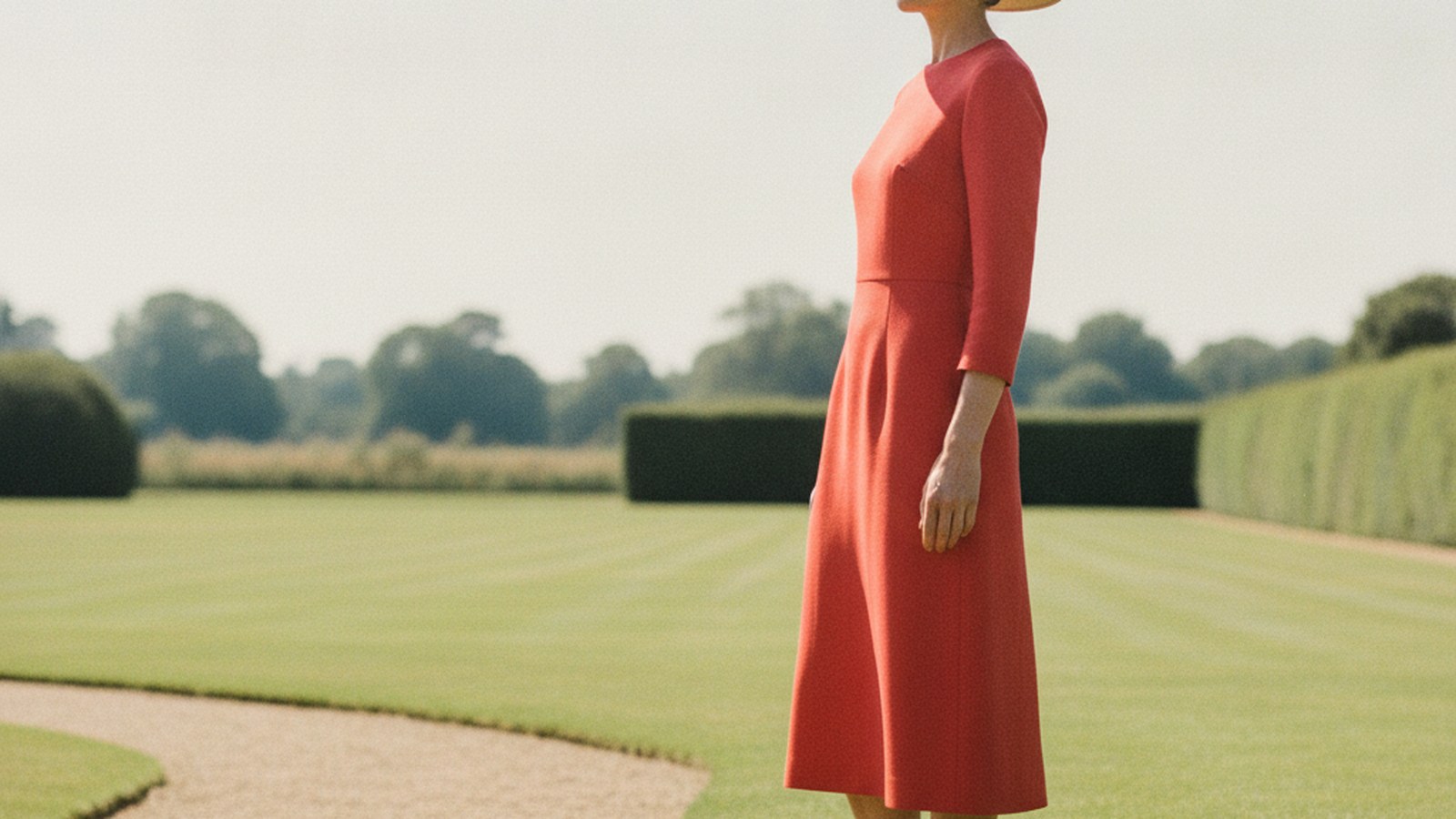
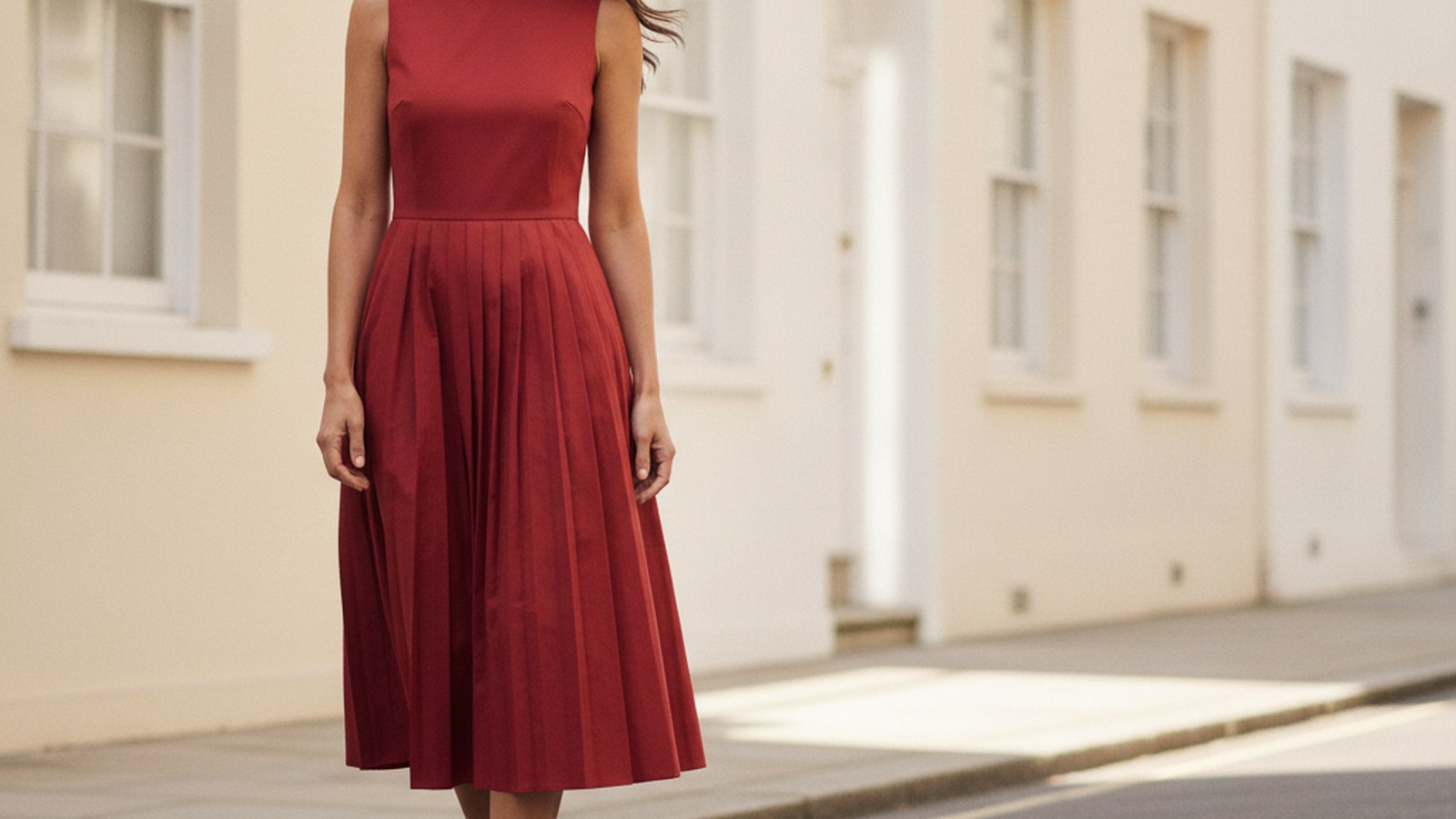
Worth knowing if you are Ascot-bound: the biggest change to the inspirational style guide is the addition of Royal Ascot’s first ever colour of the year: Bright Tomato. A bold, bright hue, the colour was chosen based on expert trend forecasting, SS26 runways and observations of the Royal Ascot crowd. Bright Tomato is expected to be worn throughout the week, but event organisers particularly encourage racegoers to wear the colour on Gold Cup Day, which falls on Thursday 18 June 2026.
A tomato-on-cream polka dot midi is the sleeper hit of the season: it satisfies the colour brief and the print trend in one purchase, and (crucially) tomato red on a cream ground reads modern rather than Minnie Mouse, because the contrast softens. Avoid the inverse, cream dots on bright red, which slides straight into novelty territory. The Princess of Wales’s well-documented preference for tailored midis and tonal hats is the visual reference point here; the recurring red-occasion-dress moment from her Ascot wardrobe is part of why this colour story has stuck.
Colour contrast, properly
“Monochrome is sharp” is the line every competitor piece runs, and it is true, but only for the right colouring. High-contrast black-and-white spots suit high-contrast colouring (dark hair, fair skin, defined brows). For cool and medium skin tones, low-contrast pairings flatter more and photograph better: navy on ivory, chocolate on cream, deep green on bone. The dots still register; you do not.
Where to put the dots, and where not to
Print draws the eye. Place the dots where you want attention. A spotted blouse with plain trousers pulls focus up to the face and shoulders. A spotted midi skirt with a fine black knit anchors the look at the hip and length. An all-over spotted dress draws the eye to whatever is widest, so a fluid column or drop-waist is kinder than a fitted waist with a full skirt if the hip is where you would rather not magnetise attention.
Mixing dots without looking confused
If you want to layer prints, the rule is dramatic contrast or exact match, never near-match. A pin-dot blouse with a large-spot skirt looks intentional. Two medium spotted pieces in similar scales look like a packing error. The same logic applies to hats: a spotted dress with a spotted hat compounds the costume risk. A tonal hat in a solid colour lifted from the dress background (ivory hat with a black-and-ivory dress, cream hat with a tomato-and-cream dress) is cleaner every time.
The everyday version
Outside the occasion calendar, polka dots work hardest on the high street as a single hero piece against complete plainness. A penny-dot silk midi skirt with a fitted black tee and black flat sandals. A pin-dot blouse with straight-leg jeans and trainers. A spotted scarf knotted at a tan leather tote. The print provides the interest; everything else should be quiet.
If you are buying one polka-dot piece for the whole summer, make it a penny-dot silk-blend midi in a low-contrast colourway, with proper straps. It will pass the Ascot dress code, work at a July wedding, slide under a denim jacket for a Saturday lunch, and outlast the trend cycle. That is the formula.