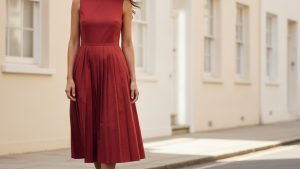
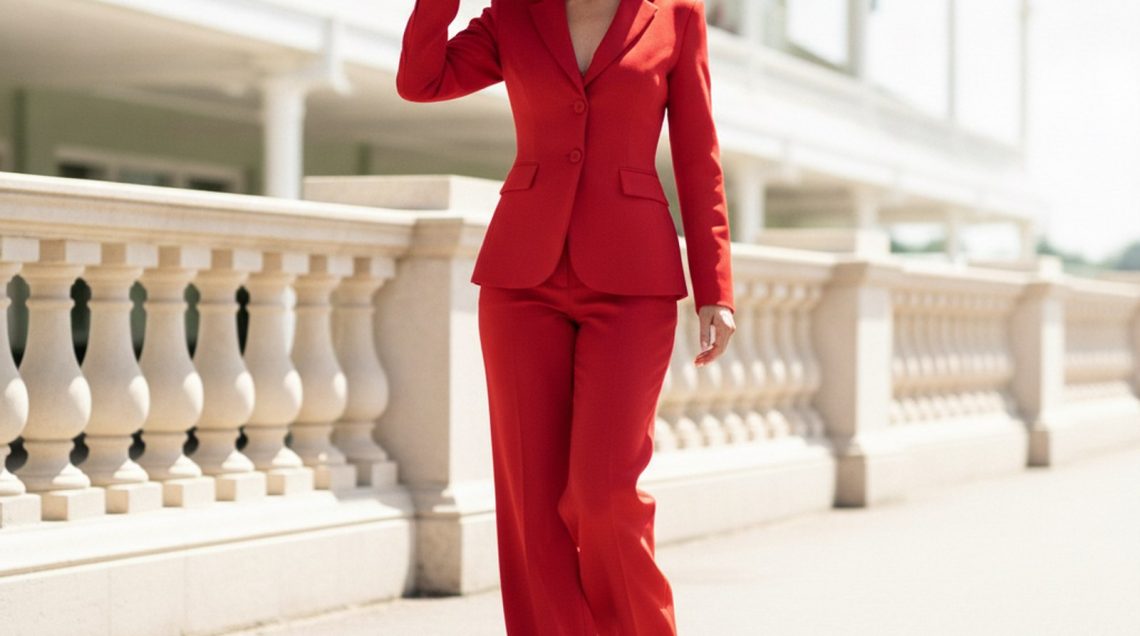
A trouser suit is the sharpest thing you can wear to Royal Ascot Ladies Day on Thursday 18 June, and the cameras know it. In a field of floral midis, a well-cut wide-leg suit in Bright Tomato or ivory reads as considered, photographic and grown-up, and unlike a one-occasion dress it will rewear all summer. Below: which enclosures permit it, the silhouette and fabric rules that stop a suit looking corporate, and the specific UK buys that work.
Yes, you can wear a trouser suit, and here is exactly where
Royal Ascot runs Tuesday 16 to Saturday 20 June 2026, and a trouser suit is permitted across the Royal, Queen Anne and Village Enclosures, with rules tightening as the enclosure does. In the Royal Enclosure, trouser suits are welcome but should be full length and both the material and colour should match. The Queen Anne rule is the same on length, and trouser suits and jumpsuits must fall below the knee and must adhere with the dress neckline and strap regulations. The Village Enclosure is slightly softer in mood but the structural rule holds: Trouser Suits must be full length and matching in colour. Shorts are not permitted. Wedges and block heels are suggested over stilettos.
The trap nobody spells out: the strap and neckline rules apply to whatever you wear under the jacket. Strapless dresses and tops are not permitted, this definition includes off-the-shoulder, Bardot and one shoulder, so the silk camisole you imagine peeking from a peak lapel must still have proper straps. In the Royal Enclosure, those straps of one inch or greater are the threshold. Choose your underlayer as carefully as the jacket.
The silhouette rule: wide leg, always
A trouser suit fails at Ascot for one reason: it reads office. The fix is proportional. The wide leg is the proportionally correct choice, a cigarette or straight leg under a structured jacket can look too corporate. The wide leg has the occasion dressing volume the event requires while maintaining the tailored authority of the suit format. Think a fluid column from shoulder to floor, a slight break over the shoe, and a jacket with a defined waist or a single-button closure that sits at the high hip.
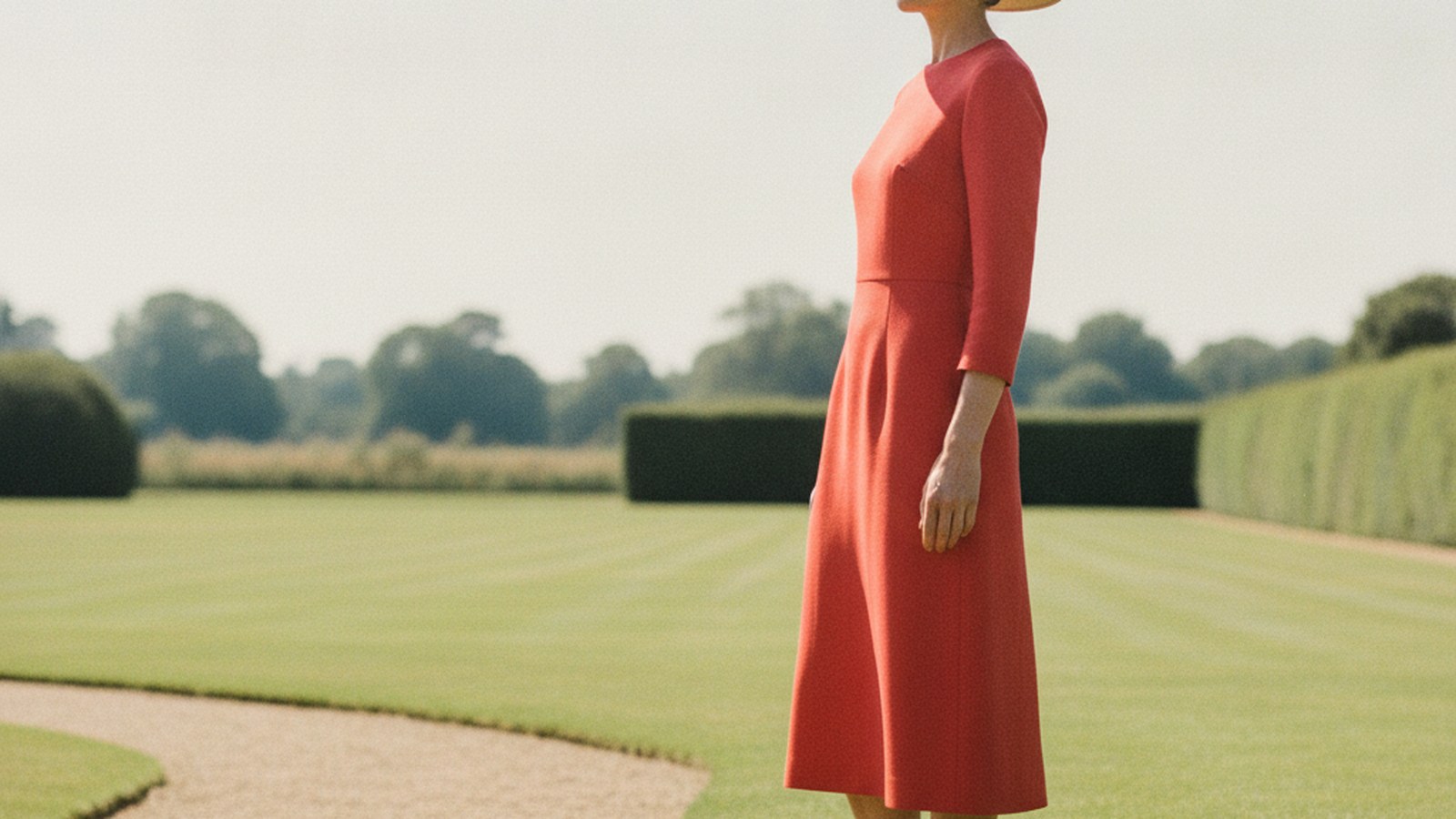
Catherine, Princess of Wales offers the cleanest reference point for this kind of structured occasionwear. Cut with McQueen’s signature sharp tailoring, the dress featured a defined waist, softly structured shoulders and a fluid, mid-length skirt that moved beautifully as she walked. The red hue was unapologetically bold, offset by a tonal wide-brimmed hat by Phillip Treacy. Translate that instinct (defined waist, soft shoulder, tonal millinery) into trouser form and the suit stops looking like a meeting and starts looking like an event.
Bright Tomato, decoded
The biggest change to the inspirational style guide is the addition of Royal Ascot’s first ever colour of the year: Bright Tomato. A bold, bright hue, the colour was chosen based on expert trend forecasting, SS26 runways and observations of the Royal Ascot crowd. Bright Tomato is expected to be worn throughout the week, but event organisers particularly encourage racegoers to wear the colour on Gold Cup Day, which falls on Thursday 18 June 2026. Creative Director Daniel Fletcher, now in his third year, called it “that bright orangey-red of a ripe tomato”, which is the most useful description you will get: not coral, not true red, not scarlet.
It is also not a fringe directive. It will also have been influenced by the spring/summer 2026 runways, where the striking shade featured prominently at Chanel, Celine, Proenza Schouler, Loewe and Stella McCartney. Which means a Bright Tomato suit bought now is a piece you will reach for past Ascot, not a one-day costume.
Three ways to wear it, in descending order of commitment:
- Full monochrome Bright Tomato suit + neutral millinery. The most photographically distinctive option. Pair with a cream silk camisole (1 inch strap minimum), a cream or chocolate brown sculptural fascinator or hat, and a nude block heel. Avoid a red hat on top, the tonal stack flattens.
- Ivory or cream suit + Bright Tomato blouse and fascinator. Same editorial intent, far lower risk, and the cream suit becomes your wedding-season workhorse afterwards.
- Bright Tomato jacket + cream wide-leg trouser. The semi-committed version. It breaks the matching-colour rule in the Royal and Queen Anne Enclosures, so save this for Village Enclosure only.
This Pinterest pin shows Zara Phillips wearing a stylish trouser suit at Royal Ascot, providing a real-life royal reference point for readers looking to style a trouser suit at the races.
If you find this kind of stylist logic useful (the specifics that actually solve the outfit, not the platitudes), our weekly Mūsmūs newsletter sends one considered edit every Sunday: occasionwear formulas, British high-street finds before they sell through, and the proportion rules that make tailoring sit right. Sign up and the next Ascot, wedding or summer party gets noticeably easier.
Three outfit formulas, one per enclosure
Royal Enclosure: the strictest, most rewarding
A full-length matching trouser suit in Bright Tomato, ivory or navy, in a lightweight wool crepe or silk-linen blend. Underneath, a silk camisole or pussy-bow blouse with the minimum straps of one inch or greater. A proper hat is non-negotiable here, not a fascinator: a hat, or a headpiece (base of four inches/10cm). Wide-brimmed in a tonal neutral (cream, chocolate, soft pink) lets the suit do the talking. Heels: a closed-toe block heel in nude or matching tone, never a stiletto on grass.
Queen Anne Enclosure: the sweet spot for a suit
This is where a trouser suit photographs best. A wide-leg suit in Bright Tomato or ivory, a silk camisole or pussy-bow blouse underneath (compliant straps), and a sculptural fascinator or smaller hat in a contrast neutral. A hat, fascinator or headpiece should be worn at all times, and the dress code is formal but rewards individuality. A block heel, between 5 and 7cm, keeps you upright on the lawn.
Village Enclosure: relaxed, but still tailored
The Village allows a softer shoulder, a bolder print, and lower millinery. Hats or headpieces should be worn at all times, but smaller hats are recommended. This is where the Handbook’s “Show Us Your Silks” direction, a nod to jockey-silk graphics and colour-blocking, makes most sense in suit form: a Bright Tomato jacket over cream, or a printed linen-blend two-piece. Wedge or low block heel, given the grass.
Fabric, because race day is long
You will be on your feet from late morning to early evening, in and out of a car, possibly the rain. Fabric performance decides whether the suit still looks intentional at 5pm.
- Linen-silk or linen-viscose blend. The best balance. Breathes like linen, recovers from creasing far better than pure linen, photographs with a soft sheen. Pure linen will crumple in the car between London and Berkshire.
- Lightweight silk (under 14mm). Photographs beautifully and is more crease-resistant than linen, but unforgiving in heat and shows sweat. Best in shoulder season weight, not a 28-degree June.
- Lightweight wool crepe. The most stable choice. Holds its shape for hours, drapes cleanly, and looks formal without effort. Marginally warmer, so size up if June turns muggy.
Avoid heavy polyester suiting. It reads office-party from ten feet away and creases worse than linen.
Where to actually buy it on the UK high street
Three British retailers carry the silhouettes that meet the dress code and the fabric quality that survives the day.
- Me+Em. The most consistently investment-worthy British occasionwear at an accessible price point. Look for their wide-leg matching sets in tonal neutrals and the occasional bold colour drop.
- Reiss. Entry-level investment suiting. The entry-level investment suit for Ascot. Clean tailoring, honest fabric weights, and a cut that photographs well. Magda Double-Breasted Peak-Lapel Suit Jacket in Blue. The Magda silhouette in a Bright Tomato or cream tailored trouser is the formula.
- Joseph. Best fabric at the price point. The tailoring brand with the best fabric quality at its price point. A Joseph wide-leg suit in ivory or Bright Tomato would be a significant investment with significant returns. Rochd Light Linen Blend Jacket and Trouser set.
- Whistles and COS are the supporting cast for the silk camisole or pussy-bow blouse underneath, both reliably compliant on strap width.
The rewear case, made specific
A Bright Tomato or ivory wide-leg suit bought for 18 June rewears, realistically, to: a summer wedding in July (jacket only over a slip dress, or full suit for a city ceremony), a garden party in August, an outdoor christening, smart work events into September, and autumn races at Cheltenham or Goodwood with a polo neck swapped in for the camisole. A one-occasion floral midi has none of that life. The shade featured prominently at Chanel, Celine, Proenza Schouler, Loewe and Stella McCartney on the spring/summer 2026 runways, which means investing in a Bright Tomato piece for Ascot is not a one-occasion purchase. This is the shade that will be in rotation for the entire season.
The underdressed anxiety, resolved
The fear that a suit reads corporate next to a sea of dresses is real, and it is resolved by three things, in this order: fabric weight (matte crepe, linen-silk blend, or proper silk; never shiny poly), millinery (a real hat or sculptural fascinator is what turns a suit into an outfit), and fit (a jacket that pulls across the shoulders reads office; one that skims, with a defined waist, reads occasion). Get those three right and the suit becomes the most distinctive thing in any photograph from the day.
One action this week: book a fitting at Reiss, Me+Em or Joseph by Saturday, take the jacket in at the waist if needed by Monday, and source the compliant camisole and a tonal block heel in the same trip. Four days is enough if you start now.