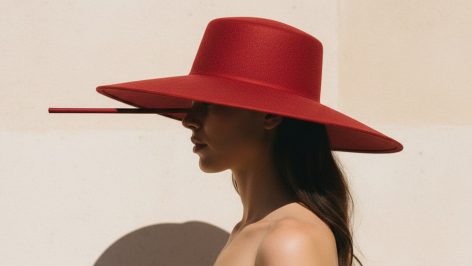
Pick the hat last and you will spend Ladies Day apologising for it. The Royal Ascot hat that actually works is reverse-engineered from two things you already know: your height and the silhouette of your dress. Once those are fixed, the millinery decision becomes a short list rather than an open field, and Bright Tomato, whether worn head-to-toe or as a statement accent, slots in as the colour thread for Ladies Day on 18 June without taking the outfit hostage.
This is a proportion-first formula for choosing and styling your hat for Royal Ascot Ladies Day 2026, written for the reader who has the ticket, has the dress in mind, and is now stuck in front of a milliner’s website wondering whether she needs a full hat, a percher or a headpiece on a band. We will work through three variables (enclosure tier, dress silhouette, height), then deal with Bright Tomato as a placement question rather than a wear-it-everywhere instruction.
Start with the enclosure, not the hat
Your enclosure decides what counts as a hat in the first place, and getting this wrong is the most common Ascot dressing mistake before fabric is even chosen. In the Royal Enclosure, a hat or a headpiece with a solid base of at least 10cm (4 inches) in diameter is required; a flat fascinator alone will not pass. The Queen Anne Enclosure accepts a fascinator. The Village allows a smaller hat or headpiece and is, in practice, the most relaxed brief.
The consequence for your decision is simple. If you are in the Royal Enclosure and you are petite, the 10cm-base rule is actually working for you: a percher or a disc on a headband meets the rule and keeps your silhouette long. If you are in Queen Anne or the Village, you have more freedom to scale down, and you should use it if the dress is already doing visual work.
Variable one: your height tier
Before you look at a single hat, place yourself in one of three tiers.
- Petite (under 5’4″): a wide-brimmed hat risks dwarfing the frame and shortening the neck. A percher, hatinator or sculptural disc worn on the side of the head reads taller. Crown height can be moderate; brim width should stay narrow.
- Mid-height (5’4″ to 5’8″): the most flexible tier. A medium brim (roughly the width of your face plus a hand-span on either side) works for almost any dress shape. Avoid extremes in either direction.
- Tall (5’9″+): a wide brim is proportionally honest, and you can carry a taller crown without it looking theatrical. If you want to de-emphasise height, choose a downturned brim, which optically shortens by drawing a horizontal line across the face. Steer clear of narrow, tall, angular shapes; they exaggerate.
Now the rule that no one writes down clearly: the brim should not exceed the width of your shoulders. Stand in front of a mirror in the actual dress, lift the hat to your head, and check. If the brim sails past your shoulder line, the hat will dominate every photograph and shorten you. If it disappears inside your shoulder frame, it reads timid. The hat should occupy roughly the upper third of the head-to-shoulder visual field; that is the test.
Variable two: dress silhouette to hat architecture
The matrix below is the part most guides skip. Pick your dress shape, then read across.
| Dress silhouette | Hat that works | Why |
|---|---|---|
| Column or sheath | Structured pillbox, percher, or small sculptural hat | A vertical dress wants a compact piece of architecture on top, not a horizontal disc that cuts the line. |
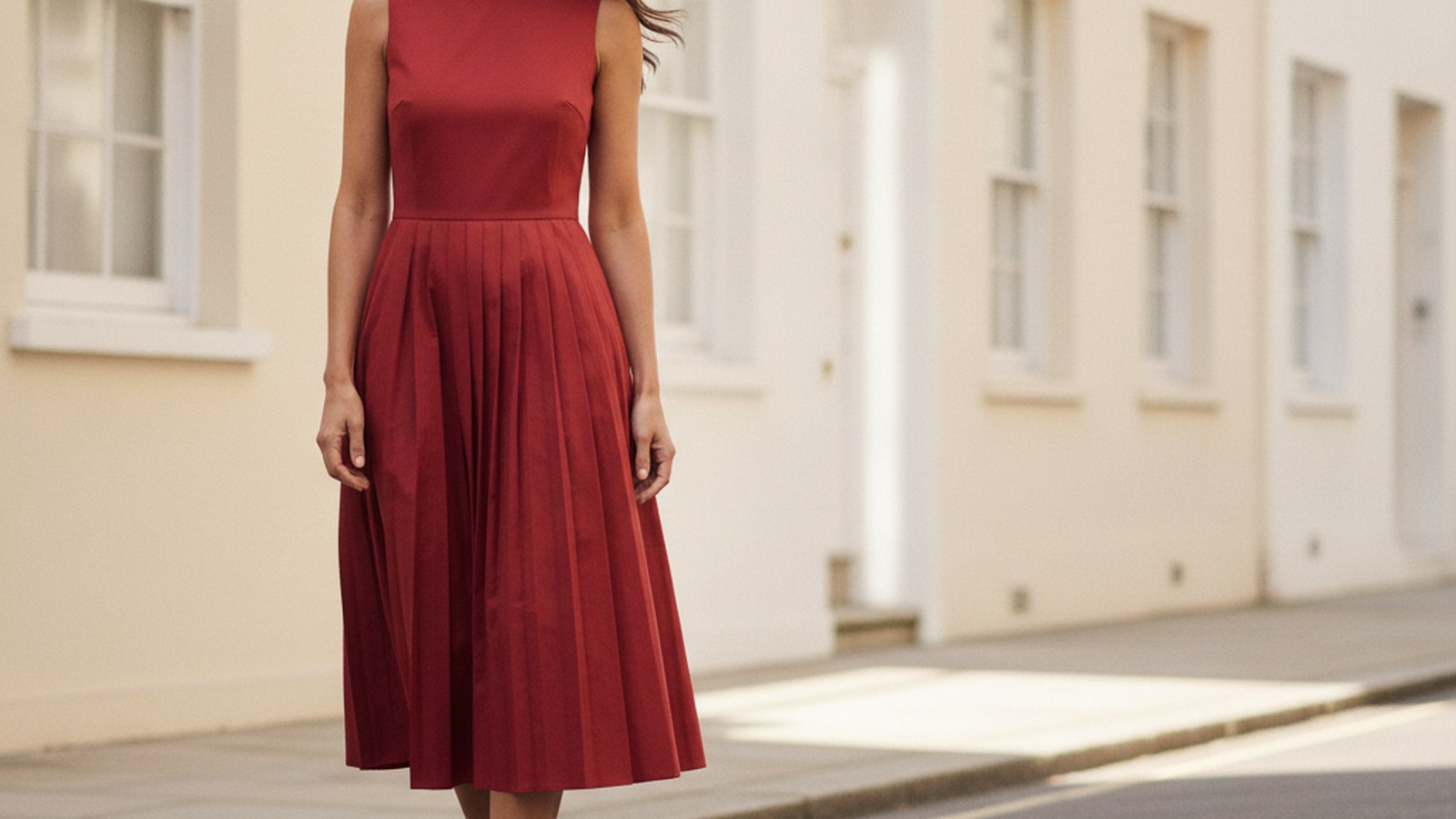
| A-line or fit-and-flare midi | Wide brim, medium crown | Echoes the dress’s horizontal hem; the eye travels brim, waist, hem in a clean rhythm. |
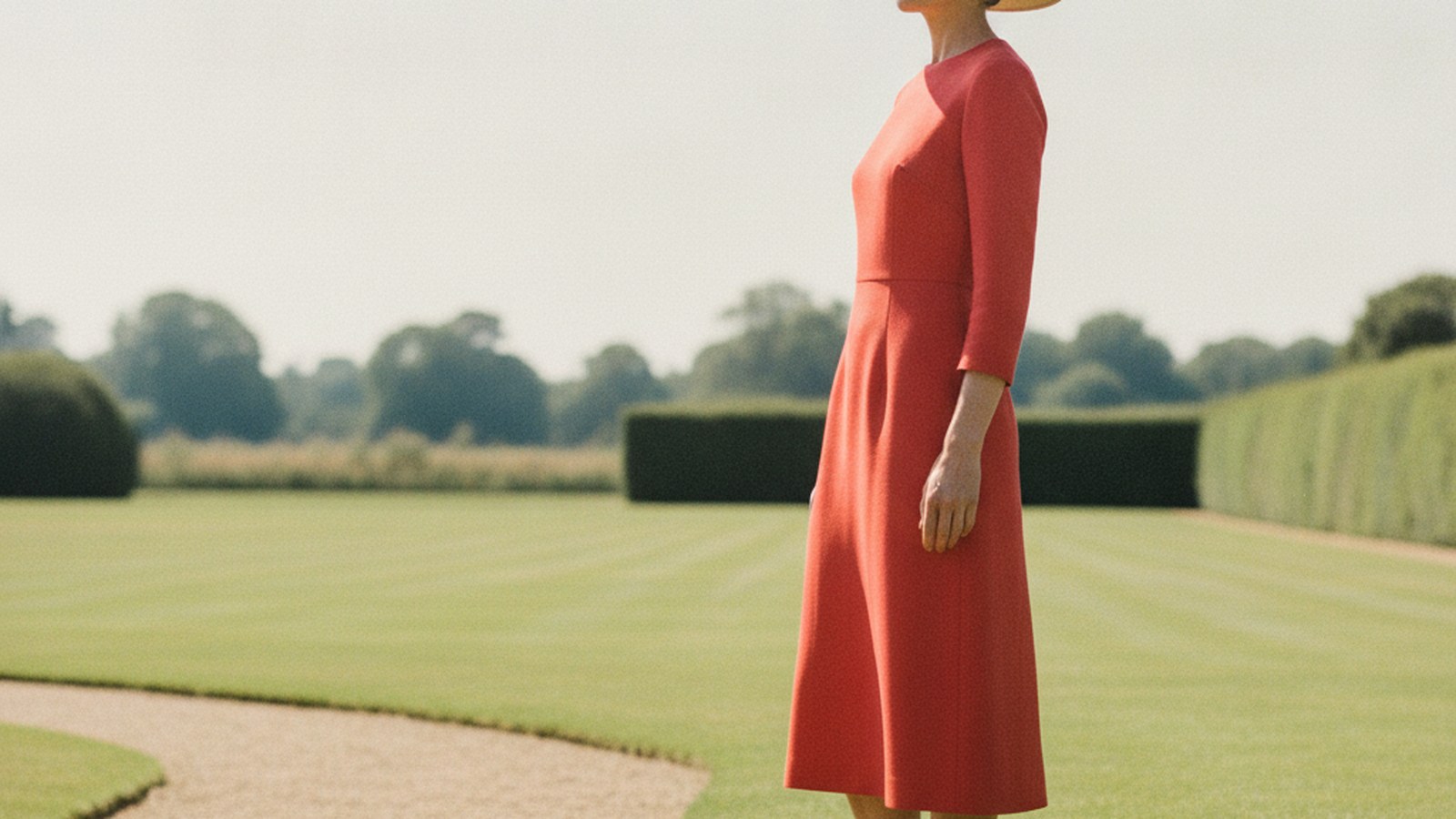
| Coat dress | Wide brim for drama, or a sculptural architectural percher for a contemporary read | A flat, small fascinator looks underscaled against the formality of a coat dress; the silhouette demands a piece with presence. |
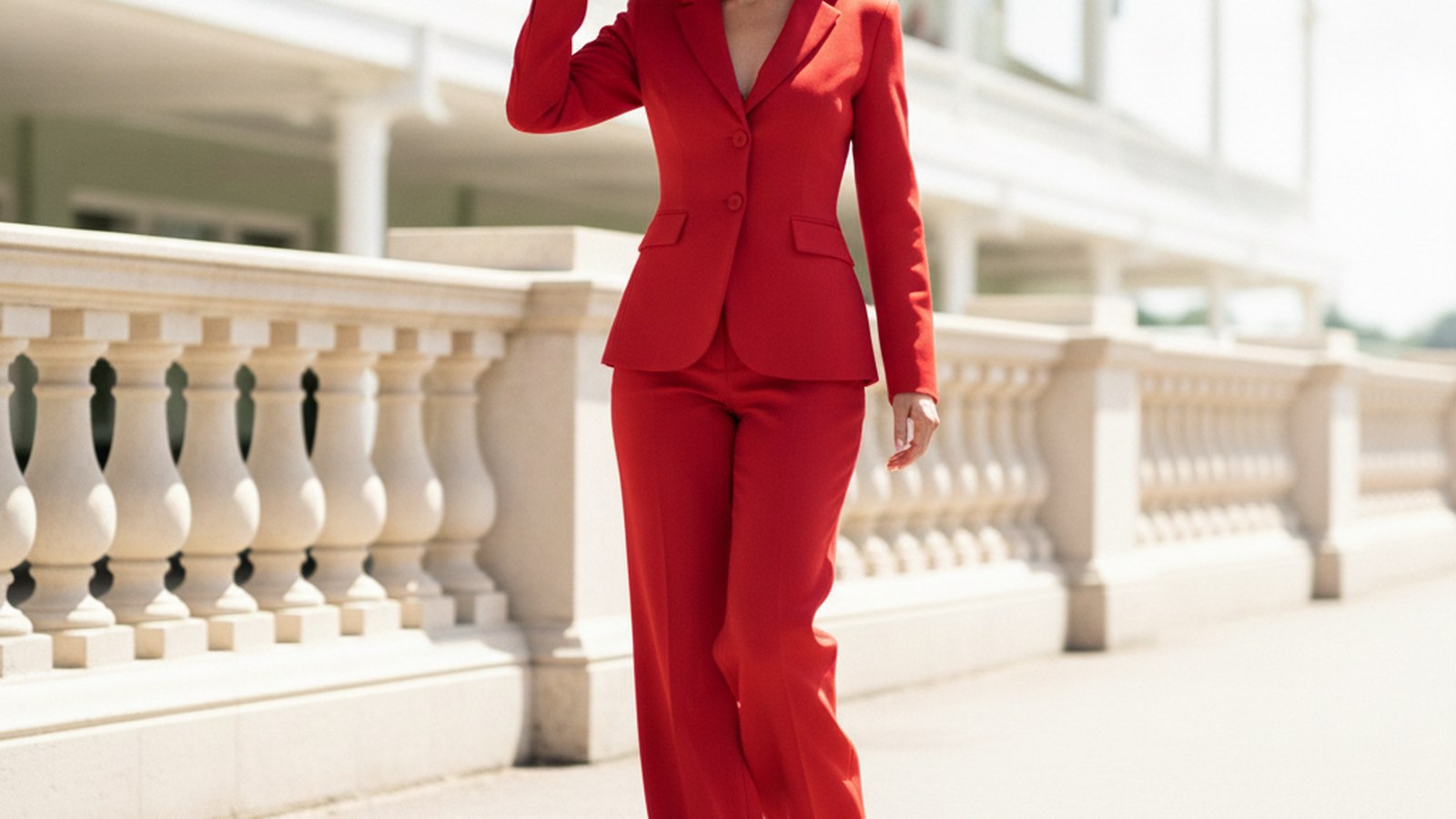
| Wide-leg trouser suit | Sharp, brimmed fedora-adjacent shape or asymmetric percher | Tailoring needs a hat with edges. Floppy or romantic shapes fight the cut. |
| Floral midi with movement | Medium brim, soft upturn | The brim balances the print; the upturn keeps the face open against busy fabric. |
A Pinterest pin showcasing an orange fascinator hat styled for Royal Ascot Ladies Day, illustrating how headpiece shape and scale create proportion with a full outfit.
One stylist-grade tip worth knowing: an upturned or uptilted brim acts like a small lift to the face. It catches daylight under the brim rather than throwing shadow across your eyes, which is the trick photographers love and the rest of us forget. If you are worried about looking tired in photos at 4pm after a long lunch, choose an upturn.
If occasionwear decisions like this one make your shoulders climb to your ears, our weekly Mūsmūs newsletter is built for you. We send one considered email each Thursday: outfit formulas, British high street finds we have actually tried on, and stylist logic you can apply the same morning. Sign up and we will meet you in your inbox before the next race day lands in your diary.
Hair up or hair down? It is a proportion question
Hair up elongates the neck, which suits a wide brim and a column dress. Hair down softens a percher or hatinator and balances a structured coat dress. If you are wearing a small headpiece on a band, hair down with soft waves usually looks more considered than a tight chignon, because the band has nothing to compete with against bare skin. If your hat has a deep crown that swallows hair, sweep it into a low knot at the nape so the crown sits cleanly.
Variable three: where Bright Tomato lives
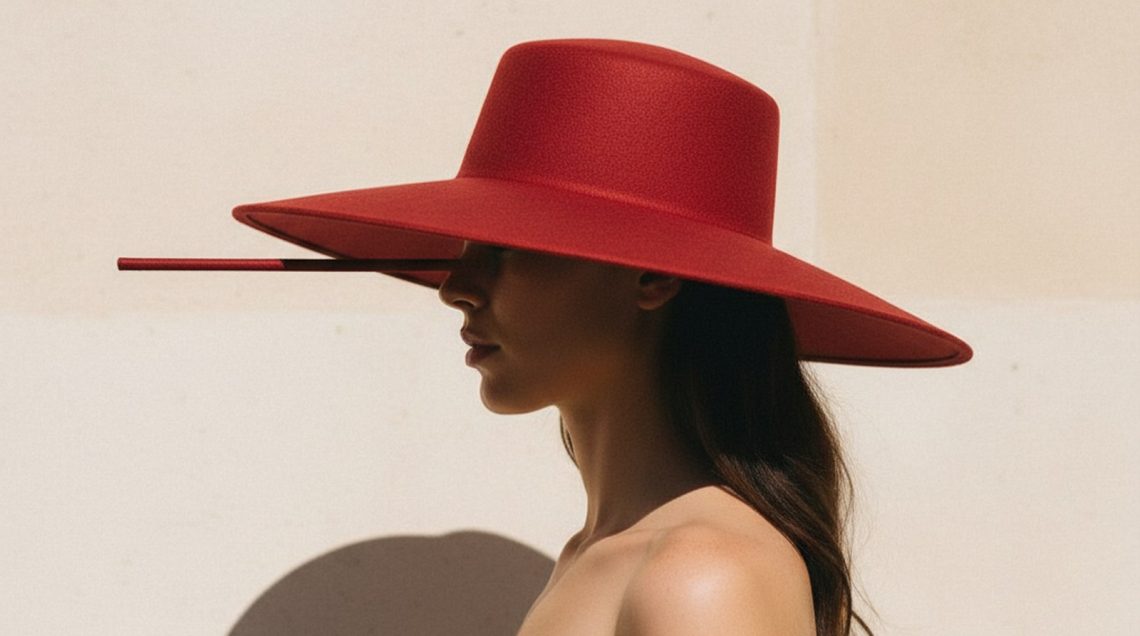
The official guidance says racegoers should embrace the colour on Gold Cup Day, Thursday 18 June 2026, with women taking it as statement dresses or bold millinery. The interesting question is placement, not whether to wear it. Daniel Fletcher described it as the bright orangey-red of a ripe tomato, and that warmth matters: this is not classic post-box red. It leans orange, which means it sits more naturally against warm neutrals (cream, ivory, camel, warm white, gold) than against cool tones (true grey, icy blue, black).
Use this as your placement guide:
- Ivory, cream or warm white dress: a Bright Tomato hat is the hero. Keep shoes and bag in nude, tan or bone. One matching lip ties the look together; jewellery stays small.
- Navy or cobalt dress: a Bright Tomato hat creates a red-and-blue clash that ran through the spring runways, including, per Chanel, Celine, Proenza Schouler, Loewe and Stella McCartney. Keep the rest of the outfit quiet; the colour pairing is the moment.
- Printed dress that already contains tomato tones: match the hat to the dress’s dominant non-red colour and let a single Bright Tomato feather, band or trim act as the bridge. A full Bright Tomato hat on a Bright Tomato print reads costume.
- Black dress: Bright Tomato hat works, but soften the contrast with a warm-toned shoe (tan, blush) rather than a black one, or the look hardens.
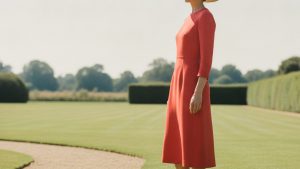
The reference point most British editors return to is the Princess of Wales: a tomato red Alexander McQueen dress with a defined waist, softly structured shoulders and a mid-length skirt, balanced by a tonal wide-brimmed hat by Philip Treacy. The lesson is not the colour, it is the discipline: one strong silhouette, one tonal hat, accessories that step back. Borrow the logic, not the look.
Where to actually shop, and the lead-time warning
For ready-to-wear millinery you can have in hand inside a fortnight, look at Jigsaw, LK Bennett, Marks & Spencer’s occasion edit, Karen Millen and Whistles for headpieces, and Lock & Co. Hatters for stocked pieces. Hire is a sensible route if you wear hats once a year: Hurr and By Rotation list designer millinery alongside dresses. Bespoke is, at this stage, off the table; commissioned hats from established milliners typically need several weeks, and we are well inside that window for Ladies Day on 18 June.
Your one specific action this week: put the dress on, stand in front of a full-length mirror, and hold a hand at the width of each shoulder. That is your maximum brim width. Take a photograph from the front and the side. Anything you order or hire needs to pass that frame test before it touches your head on Thursday 18 June.