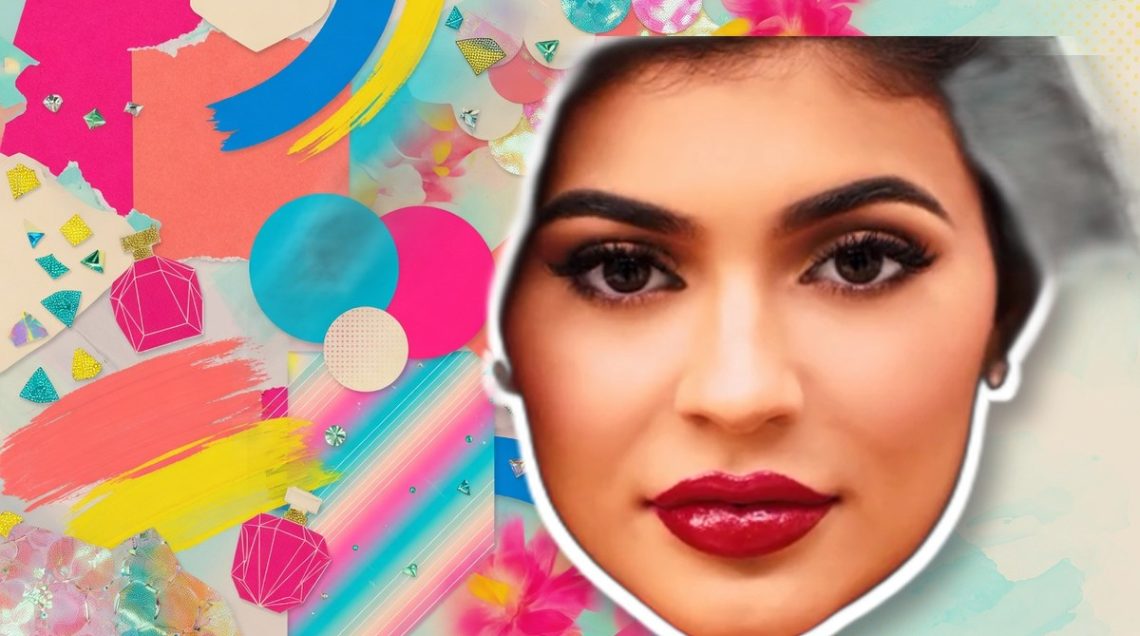
The tyranny of quiet luxury is over. Across the UK, something sticky and sparkly is happening to the zeitgeist: body gems are back, not as nostalgic pastiche but as the skin-level rebellion against a decade of beige. When Kylie Jenner appeared at Coachella in early 2026 with crystals scattered across her sternum, it wasn’t just a celebrity styling whim, it was the opening salvo in fashion’s loudest counter-cultural statement since Indie Sleaze died.
This isn’t the first Y2K revival, but it’s the first to feel urgent. Zara Larsson bedazzled her way through the Grammys in February, then launched a Depop Y2K Edit in July that sold out in hours. Google Trends confirms it: searches for ‘y2k body gems are’ have spiked across the UK, driven not by algorithm-fed nostalgia but by a generation exhausted by the polished, the minimal, the expensive whisper of Phoebe Philo. Body gems are maximalism made portable, and they’re cheaper than a Miu Miu brooch.
Why Y2K body gems are the defining maximalist statement of autumn 2026
To understand why body gems matter now, you need to see them inside fashion’s wider obsession with refracted light. This season, runways have been awash with glass heels, crystal flats, rhinestone bodysuits, anything that catches and throws light across a room. Body gems are the skin-level expression of that macro-trend, the most direct way to participate without buying a £900 pair of Miu Miu mules. They’re also a deliberate provocation: in an industry that spent five years worshipping Quiet Luxury’s beige cashmere, sticking a crystal to your collarbone is a political act.
Amy Bannerman, eBay UK’s style director, told press earlier this year that Y2K was ‘unapologetically excessive’, a quality that feels radical now precisely because fashion has become ‘so polished and algorithmic’. The Depop x Zara Larsson Y2K Edit, launched in July, proved the commercial tipping point: what began as a microtrend on TikTok crossed into mass-market legitimacy the moment a Swedish pop star curated vintage Motorola Razr-era tat for resale. Body gems aren’t just back. They’re infrastructure.
The British angle matters here. While Kylie Jenner’s Coachella moment anchored the trend in American festival culture, the UK has always had a more complicated relationship with body decoration. Acid house ravers in the early 90s wore glitter and gems as tribal signifiers long before Paris Hilton bedazzled a Sidekick. Camden Market sold stick-on bindis and face jewels throughout the 2000s, a high-street vernacular that predates the luxury runway’s current obsession. What we’re seeing now is less a revival than a reckoning, British street style reclaiming what Blumarine tried to copyright.
From Britney to Blumarine: the cultural backlash against quiet luxury
The original body gem moment, Britney Spears at the 2001 VMAs, Paris Hilton’s bedazzled everything, the Motorola Razr as status object, was killed by the 2008 financial crash and the decade of austere minimalism that followed. By 2015, Céline under Phoebe Philo had codified a new luxury language: no logo, no ornament, no joy. For ten years, fashion worshipped at the altar of the invisible, the expensive beige that only insiders could decode. Body gems are the dialectical opposite of that world.
But this isn’t just nostalgia. The current wave has a sharper edge, a self-awareness the original lacked. When Zara Larsson wore body glitter on her Miami tour dates earlier this year, it wasn’t an homage to Britney, it was a knowing wink at a generation raised on both Y2K imagery and the exhaustion of trying to afford quiet luxury’s entry price. Body gems cost pennies and last one night; they’re the antithesis of investment dressing, of capsule wardrobes, of buying less but better. They’re joyfully, deliberately disposable.
Blumarine’s Spring 2026 runway leaned hard into Y2K references, butterfly clips, logo mania, saccharine pink, but even that felt calculated, a luxury house mining a trend it once ignored. The real action is happening on Depop, in UK charity shops, on TikTok tutorials shot in bedroom mirrors. This is a bottom-up rebellion, and the body gem is its most visible weapon.
7 ways to wear body gems, from Camden pub to Glastonbury field
1. Sternum scatter for evening
The Kylie Jenner approach: a loose constellation of small crystals across the décolletage, applied with eyelash glue. Pair with a low-cut black slip dress. This reads formal enough for a bar, louche enough for a warehouse party. Skin prep matters, cleanse, dry, then apply glue in tiny dots. The gems should look accidental, like light caught you mid-thought.
2. Temple and brow-bone for festival maximum
Glastonbury’s mud demands commitment. Place larger gems at the outer corners of your brows and temples, creating a frame that catches light when you turn your head. This works with minimal makeup, the gems do the work. Zara Larsson used this placement for her Grammys look, and it’s since become the go-to for UK festival circuits. Waterproof eyelash glue is non-negotiable if rain’s forecast.
3. Single collarbone drop for daytime restraint
Not ready to commit? A single large gem placed at the centre of one collarbone, visible above a t-shirt neckline, is the entry-level move. It’s subtle enough for a pub lunch, strange enough to signal you’re paying attention. This placement has a lineage in 90s UK club culture, the lone sticker above a vest top, a marker of weekend intention.
4. Knuckle and finger gems for hand-talkers
If your hands gesticulate when you speak, make them part of the narrative. Small gems on the back of each knuckle, or a single statement stone on the webbing between thumb and forefinger. This works best with bare nails, too much glitter competes. The effect is vaguely Miu Miu, vaguely rave, entirely now.
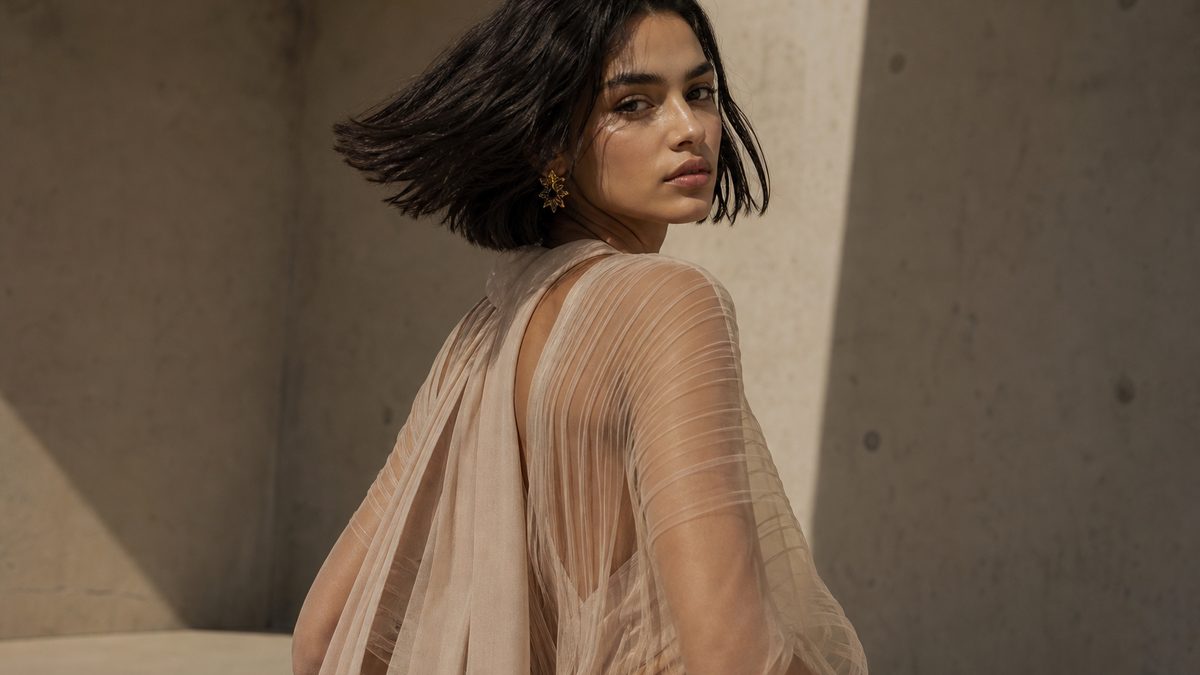
5. Spine trail for backless dressing
A vertical line of gems down the spine, visible through a mesh top or above a low-backed dress. This requires a friend and patience. The payoff is editorial, every fashion story on Y2K maximalism is currently shot from behind. Marie Claire reported that light-refracting accessories are the season’s defining trend; a spine trail makes your body the accessory.
6. Ankle and foot for the committed
The Britney-era move that still shocks: gems dotted around the ankle bone, visible above trainers or strappy sandals. This only works if you commit, one or two stones look accidental, a cluster looks intentional. It’s the least practical placement (they’ll fall off by midnight) but the most photographable.
7. Asymmetric face scatter for the Camden maximum
The final option is the wildcard: gems placed randomly across one side of the face, cheekbone, jawline, temple, leaving the other side bare. This is the look that says you dressed in a pub toilet with a pocket mirror and a glue stick, and you’re fine with that. It’s the least algorithmic approach, the hardest to make pretty, and therefore the most resistant to commodification. Which means it’s probably the most Y2K thing you can do right now.
Photo: Josh Park, CC BY-SA 3.0, via Wikimedia Commons, modified: subject cutout on an editorial collage background; montage licensed under CC BY-SA 3.0.