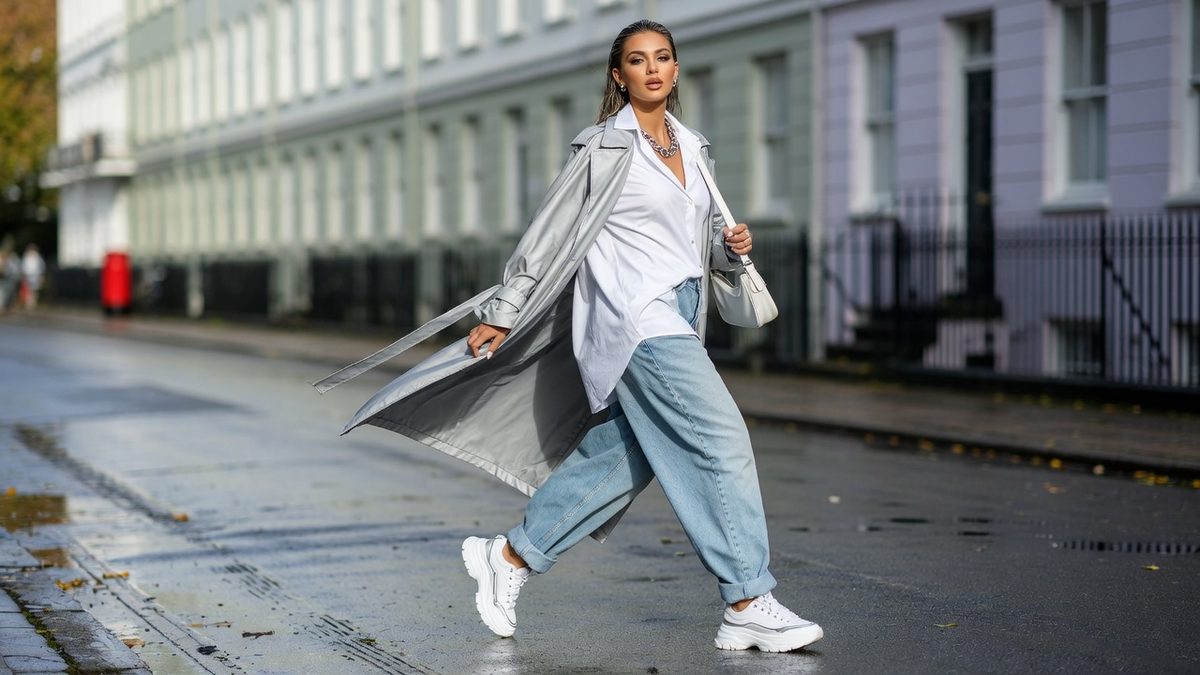
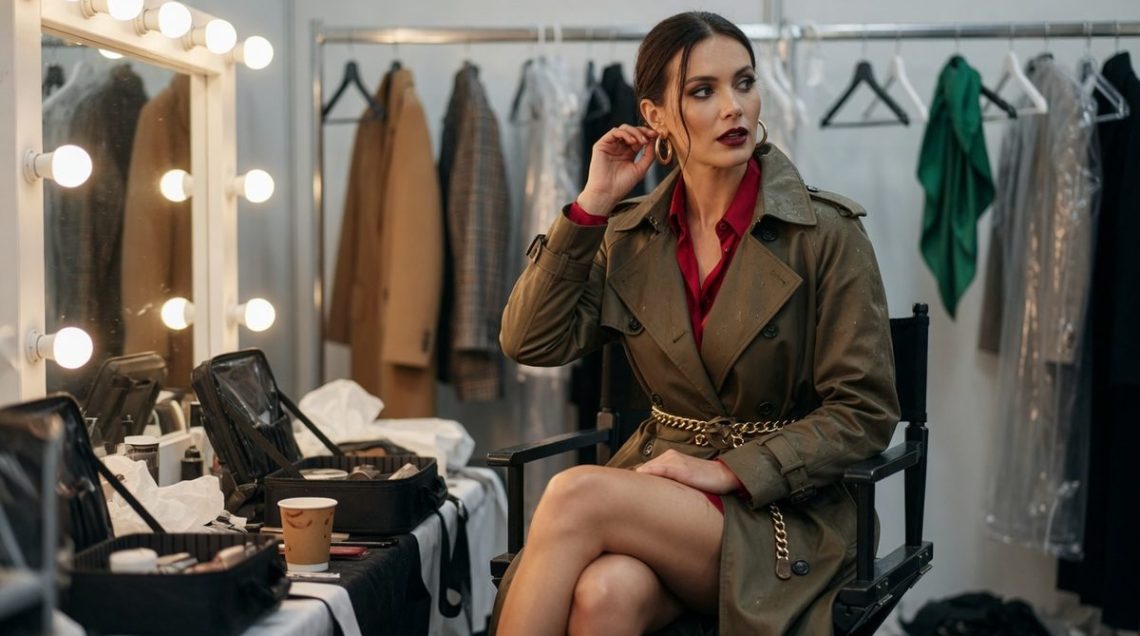

Dressing for British weather: the layering rules that matter has quietly become one of the most searched style questions in the UK this autumn, and it isn’t really about the weather at all. It’s about a nation that has spent years mocking its own forecast finally admitting that the four-seasons-in-a-day cliché isn’t a joke, it’s a design brief.
What used to be a grumble about grey skies has turned into a genuine style conversation, one playing out across TikTok try-on videos, Depop listings for secondhand Barbour, and the group chats where everyone argues about whether a gilet counts as a coat. The British obsession with layering isn’t new, but the way it’s being talked about right now, as identity rather than inconvenience, absolutely is.
British weather is no longer a footnote in how Britain dresses
For a long time, dressing for the UK climate was something people apologised for. The umbrella in the bag, the extra jumper stuffed in a tote, the resigned acceptance that a “nice day” might last ninety minutes. It rarely made it into fashion coverage, which preferred to talk about trends as if everyone lived somewhere with a stable climate.
That’s shifted. Weather-first dressing has moved from a practical afterthought to an actual style category, discussed with the same seriousness once reserved for seasonal trend reports. Search interest around terms like “transitional weather outfits” and “layering for rain” has become a reliable autumn spike in the UK, tracking almost exactly with the unpredictability of the season rather than any single fashion moment.
Part of this is generational. Younger shoppers raised on outdoor-brand crossover style don’t see a shell jacket as unfashionable kit, they see it as a base layer for a look. The forecast has effectively become a styling constraint people design around, rather than something they dress despite.
From Barbour to TikTok, layering became a state of mind
Barbour is the obvious anchor point here, a brand that spent decades being shorthand for rural, practical, slightly unglamorous Britishness before being adopted wholesale by a generation that discovered it via Alexa Chung, Kate Moss archive photos, and countryside-core Pinterest boards. The waxed jacket didn’t change. What changed is that it stopped being background and started being the point.
That trajectory mirrors something bigger happening in British style more broadly: a slow merger of function and identity that runs through Indie Sleaze’s chaotic scarf-and-coat stacking, the Quiet Luxury obsession with technical fabrics dressed down as basics, and gorpcore’s insistence that a hiking shell belongs on a high street, not just a hillside. Layering sits at the intersection of all three, because it’s the one styling skill that genuinely can’t be faked with a single statement piece.
On TikTok, this has crystallised into its own micro-genre: outfit videos structured not around “what I wore” but “what I removed”, stylists filming themselves peeling off a coat, then a jumper, then a jacket, to reveal the actual outfit underneath. It’s a format that treats the British climate as a plot device rather than a problem, and it’s proven remarkably durable precisely because the weather keeps supplying new episodes. The appeal isn’t really the clothes, it’s the small performance of competence, the sense that someone has solved a problem the rest of us are still improvising through.
How to build a layering system that survives a British autumn
The temptation is to think of layering as simply wearing more clothes, but the people who do it well treat it as a system with a job for each piece, not a pile. A base layer needs to manage temperature and moisture close to the skin, which is why merino and technical blends have quietly displaced cotton tees as the smart first layer, even under fairly ordinary outfits.
The middle layer is where most wardrobes go wrong, either skipping it entirely or overloading it with something too bulky to actually layer under anything else. A knit or a lightweight fleece that can be added or subtracted without disrupting the whole silhouette does more work than a single heavy jumper ever will. The outer layer is the only piece that should be chosen for the sky, not the outfit, which is the exact logic that made the humble Barbour, and its many technical descendants, so hard to dethrone.
Accessories tend to get treated as decorative, but in a climate that can shift within an hour, they’re often the fastest adjustment available: a scarf that comes off in a stuffy train carriage, a beanie swapped for nothing at all the second the sun breaks through. Get that sequence right and the rest of the outfit barely needs to change from September to November.
The bigger question is whether this is just a smart autumn habit or the start of something more permanent in how the UK thinks about getting dressed altogether.