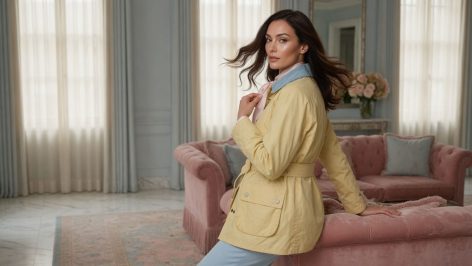
Search interest around one styling question is spiking across the UK this week: which single jacket actually earns a place in an autumn wardrobe? The answer converging across the fashion press is the barn jacket, and the case for it goes well beyond looks. It’s being framed as the one purchase that settles the season’s outerwear dilemma before the first proper cold snap arrives.
What’s notable is how decisively the conversation has shifted away from the trench coat, long treated as the automatic autumn default, towards something with real weather credentials. That’s the shift this piece unpacks, question by question.
So is the barn jacket really the one to buy this autumn?
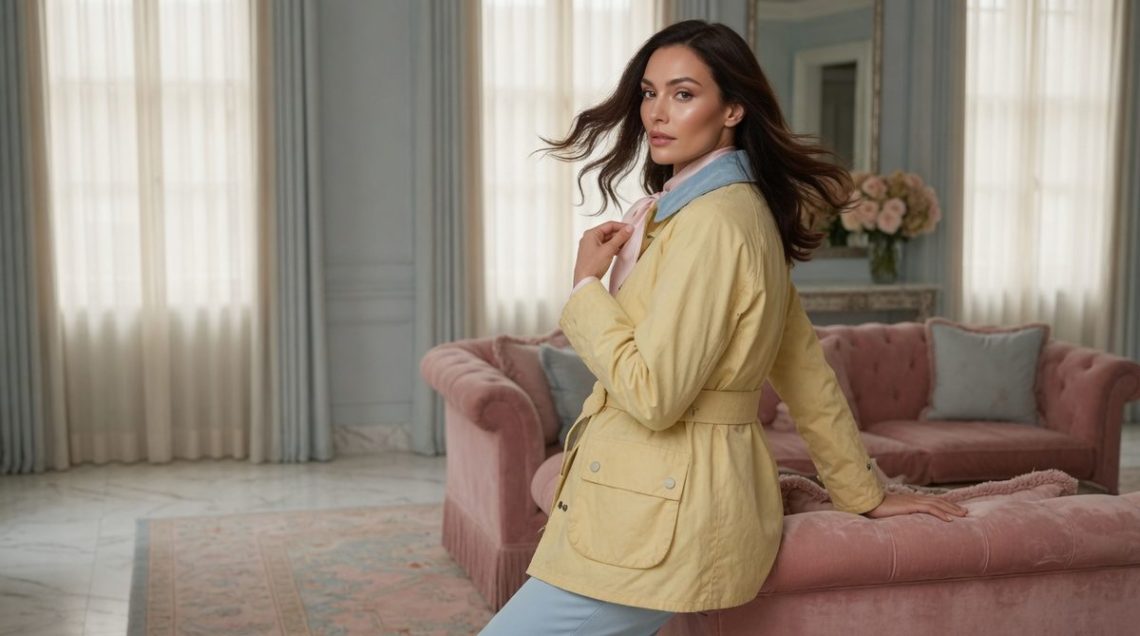
Yes, and the reasoning holds up under scrutiny. The barn jacket sits in the same heritage lineage as Barbour’s corduroy trench and other waxed cotton outerwear that British weather has tested for decades, which is precisely why it keeps resurfacing as the sensible answer when trend cycles get noisy.
It’s also worth being decisive about what to skip. Frog-fastening jackets and animal print outerwear read as short-lived novelty pieces rather than season-defining buys: strong for a single outfit, weak for the fifteen-plus wears an autumn workhorse needs to justify its cost. Set against fast-fashion equivalents, an investment piece like a Barbour or the utility-leaning options from M&S and Nobody’s Child (whose Melza jacket has become a reference point in its own right) earns its price through repeat wear rather than one viral moment.
Coverage from Who What Wear has been tracking exactly this shift in real time, with the barn jacket recurring across its recent styling round-ups as the shape editors keep returning to.
Why is the trench losing out to waxed cotton this season?
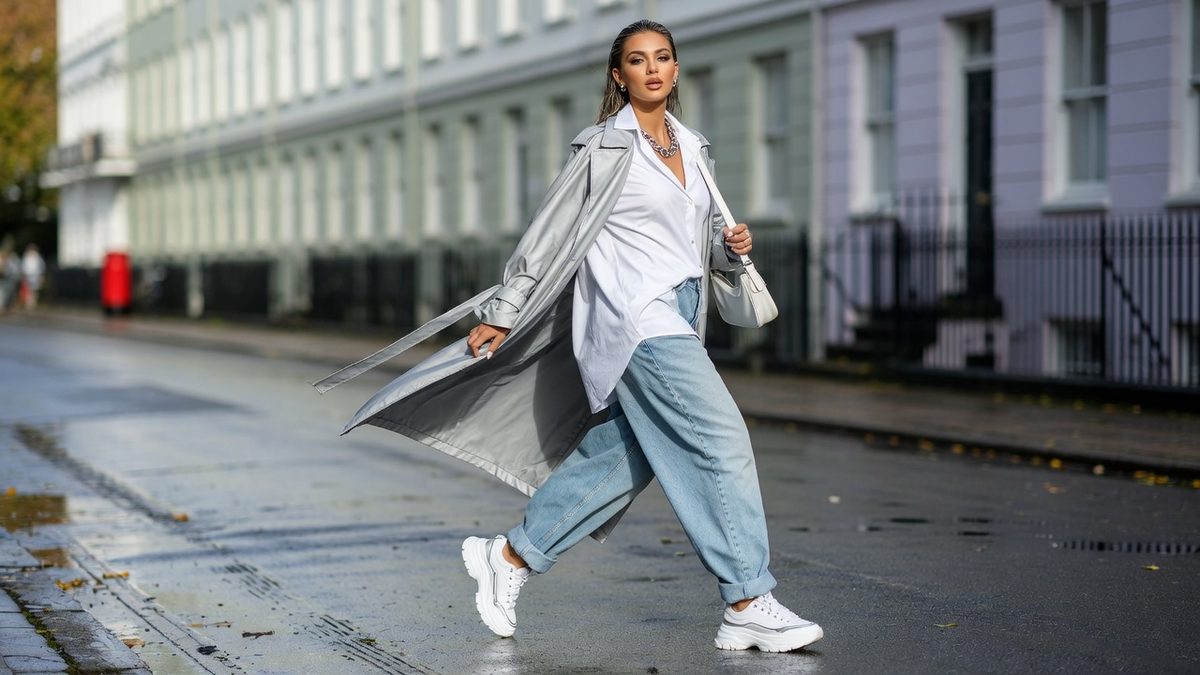
The trench, particularly in its stone and caramel colourways, hasn’t disappeared, but it’s been quietly demoted from essential to occasional. Its core weakness is unglamorous but decisive: a classic gabardine trench simply isn’t built for sustained UK rain in the way waxed cotton is.
Pulling together what different fabric claims actually mean gives a clearer hierarchy for real autumn weather. Waxed cotton, the material Barbour has built its reputation on, offers genuine water resistance and only improves with wear. Corduroy and Harris Tweed bring warmth and texture but need pairing with proper rainwear underneath rather than standing in for it. Cavalry twill sits in between: hardier than trench gabardine, still primarily a dry-weather fabric. Ranked for performance rather than polish, waxed cotton wins outright, which is the practical reason the barn jacket keeps beating the trench this season.
There’s a runway logic behind it too. The utility mood running through recent Khaite, Isabel Marant and Valentino collections has pushed function-first outerwear back into the conversation, lending the barn jacket a credibility trench coats currently lack.
What do you actually wear under it when it turns cold?
This is the gap most seasonal round-ups skip entirely. The barn jacket’s boxy, slightly cropped cut works because it’s designed to be layered, not worn as a slim outer shell. A chunky knit or a shirt-and-jumper combination underneath actually improves the silhouette rather than bulking it out awkwardly.
Fit matters as much as fabric here. The barn jacket’s dropped shoulder needs to sit just past the shoulder bone, not halfway down the arm, or the whole proportion collapses into oversized rather than intentional. Taller frames can size up for extra layering room; smaller frames are better served staying true to size and letting the drop do the work rather than exaggerating it further. For anyone drawn to the funnel-neck jacket instead, the same logic applies in reverse: the collar height should sit close to the jawline on shorter necks and can afford to stand taller on longer ones, since a mismatch there reads as ill-fitting far faster than an oversized body does.
Once temperatures drop further into properly cold territory, the same jacket carries a roll-neck jumper or a shirt-and-scarf combination just as easily as it does a T-shirt in early autumn, which is exactly the versatility that makes it worth the investment. The question now is which colourway and finish will dominate once the shops restock for peak season.