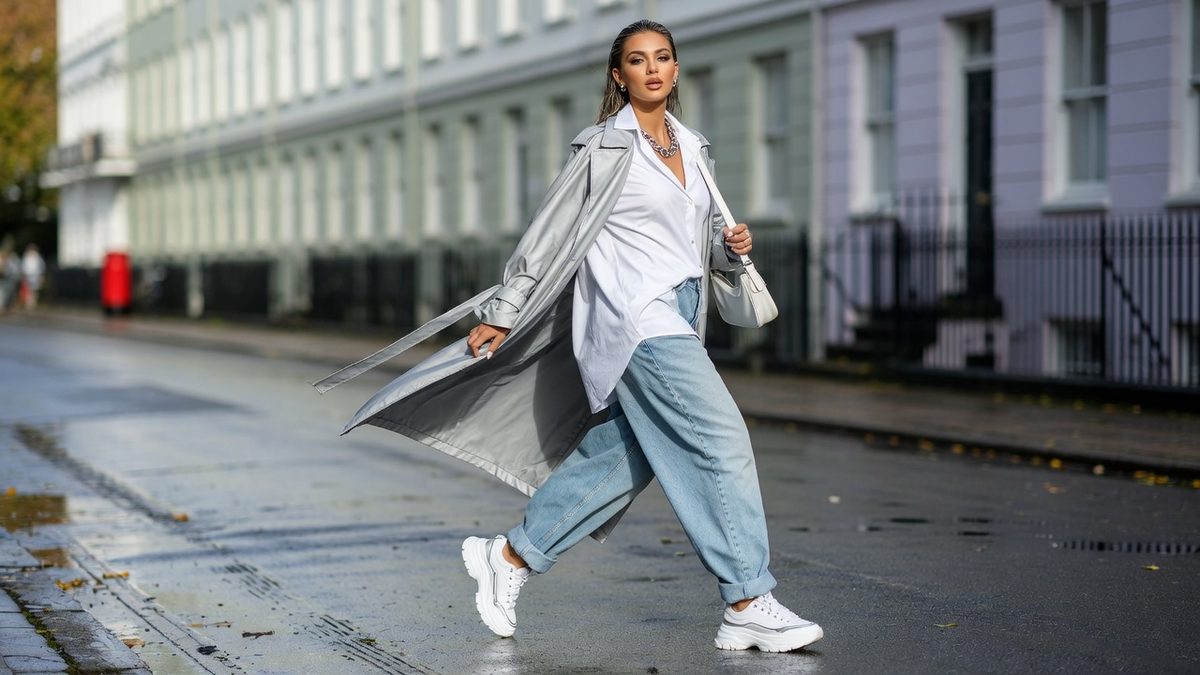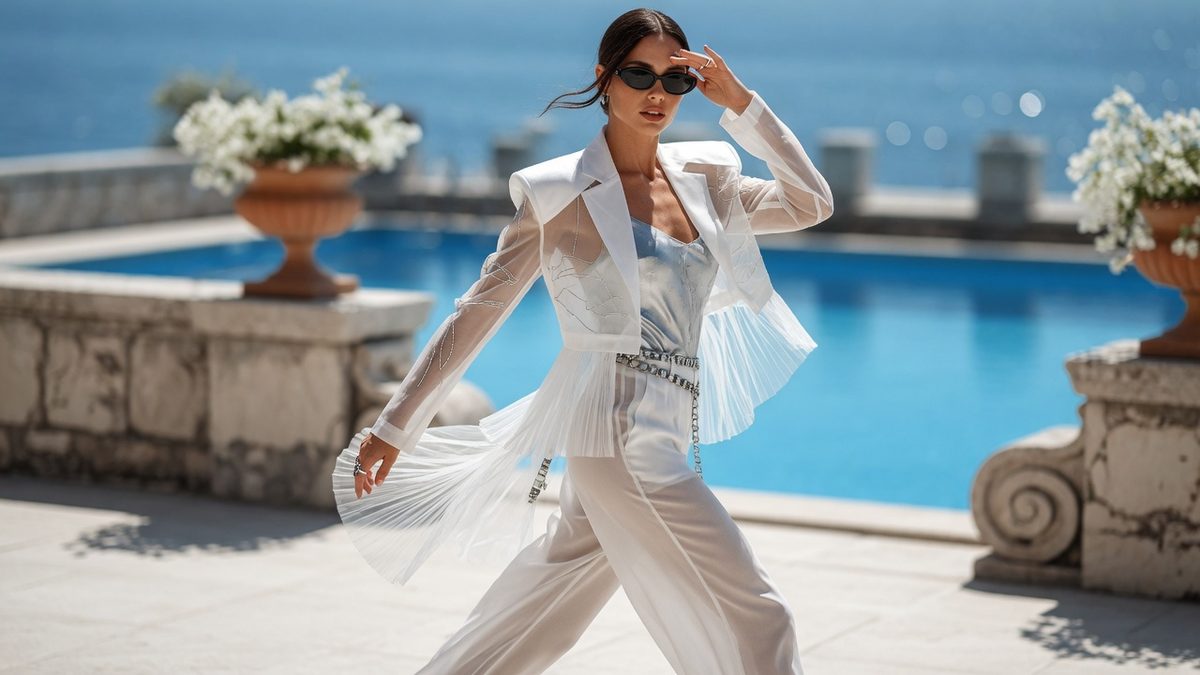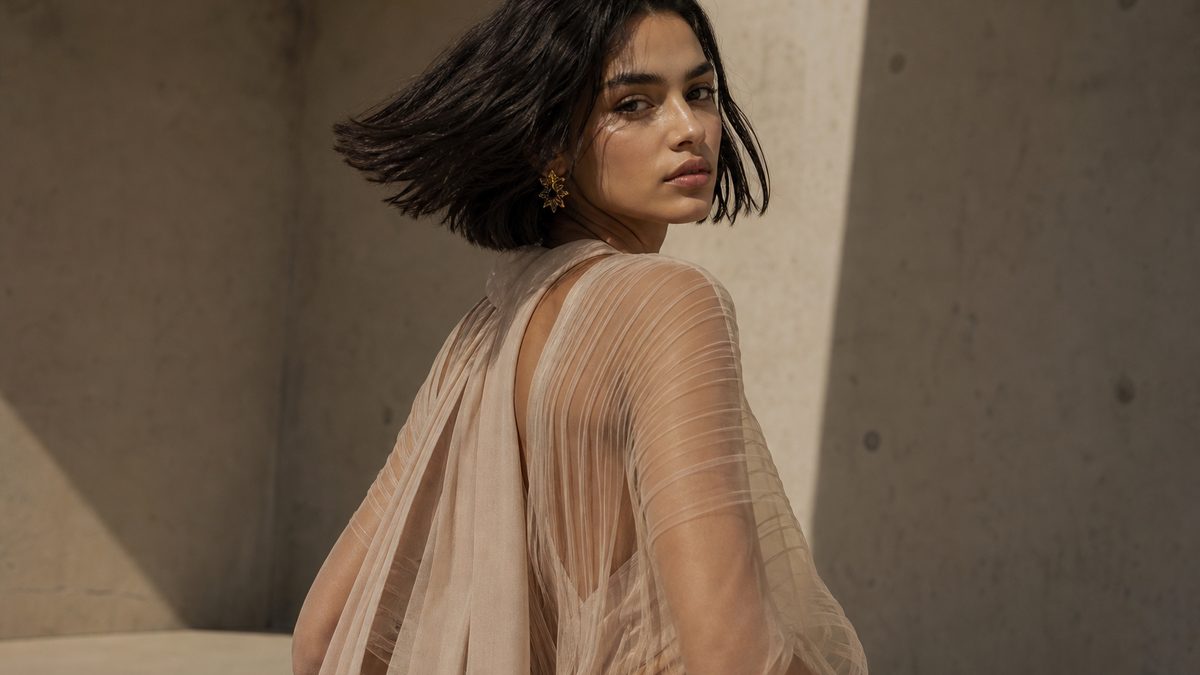
Search bar confessions: UK fashion enthusiasts are no longer typing ‘AW26 trends’, they’re searching ‘if you’re looking for’ plus a specific wardrobe problem. The query syntax itself has shifted, from passive trend-watching to active solution-hunting, and the surge in this phrasing tells you everything about how overloaded the autumn/winter 2026 runway cycle has left shoppers. Between Julien Macdonald’s return to LFW AW26, Meryll Rogge’s electric blue debut at Marni and Maria Grazia Chiuri’s first Fendi collection, the volume of newness is paralyzing choice rather than inspiring it.
Behind closed doors, UK stylists have begun circulating a different kind of trend document: not a mood board, but a decision map. ‘If you’re looking for a shoe update that instantly modernises without sacrificing comfort, try slingbacks,’ reads one line. ‘If you’re looking to try colour but feel intimidated, start with a cobalt blazer over jeans.’ The format strips away aspiration and zeroes in on intent, turning six months of runway overload into actionable, immediately wearable intelligence. It is the antidote to trend fatigue, and it is spreading fast.
Inside the ‘if you’re looking for’ decoder rewriting AW26 dressing
The decoder works because it begins with the wearer’s hesitation, not the designer’s vision. Take the bubble skirt, seen at Patrick McDowell’s architectural LFW AW26 show and across dozens of European runways. The standard trend piece would celebrate volume, reference the Eighties, stop there. The decoder asks: if you’re looking to try the bubble or tulip skirt without looking costume-y, what is the non-negotiable styling rule? Answer: pair only with a fitted or cropped top to keep volume in check. A simple knit lets the skirt do the talking. One proportion rule, instantly useful, zero guesswork.
Colour is the other paralysis point. Loewe, Dior, Fendi and Versace sent out cobalt, dopamine orange and electric blue in quantities that felt like a mandate. But if you’re looking to dip a toe into bold colour without committing to head-to-toe brights, the decoder is explicit: start with one standout accessory or a structured blazer in cobalt worn over denim and a white tee. The rest stays neutral. Sludgy beiges and taupes, seen at Chloé’s bohemian SS26 showcase and Nanushka’s textured AW26 pieces, provide the backdrop. The dopamine hit comes from a single, confident flash of pigment, not a four-piece colour story.
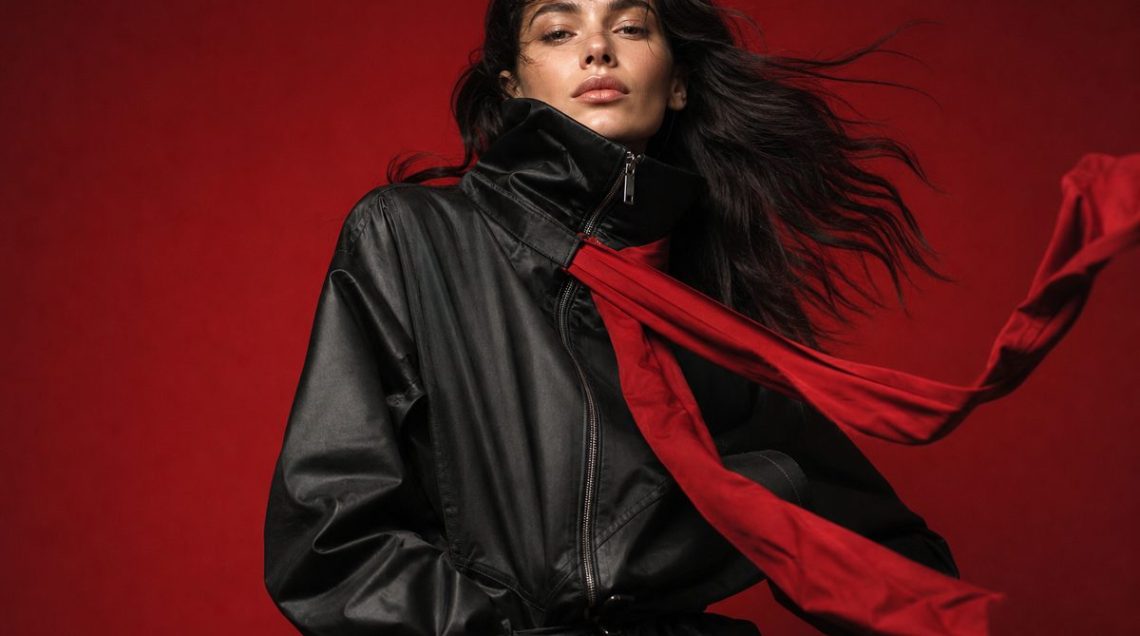
Zanna Roberts Rassi’s funnel-neck proportion rule, surfaced in styling notes and now circulating via UK fashion forums, distills another runway obsession into two sentences: since the funnel neckline draws the eye upward, balance it with streamlined bottoms, cigarette trousers, slim jeans, nothing wide or cropped. The silhouette works because the volume stays top-heavy. Break that rule and the jacket reads unfinished. Follow it and you look like you have a stylist on speed-dial.
Why LFW AW26 forced a rethink of proportion, colour and texture
London Fashion Week AW26, revitalised under BFC CEO Laura Weir, became the unlikely laboratory for this shift. Burberry’s strong tailoring, Julien Macdonald’s unapologetic glamour and Patrick McDowell’s sculptural structures created a aesthetic collision that demanded curation, not passive consumption. The shows were technically brilliant, and cognitively exhausting. No single aesthetic dominated. No obvious hero piece emerged. Instead, stylists left with hundreds of reference images and a single unifying question: what does a real woman actually select from this?
Texture became the through-line. Bouclé, suede, leather trim and chunky knit appeared across Nanushka, Litkovska and Christian Wijnant, but not in equal measure. The decoder creates a fabric hierarchy: bouclé scores highest for wearability and versatility; chunky knit wins on warmth and accessible price points via French Connection UK and Pepe Jeans London; suede and leather trim sit at the top for investment-piece status but require more styling confidence. Rank them by your wardrobe gaps and budget, not by runway frequency. The most-shown fabric is not always the most useful.
Colour stories split into three camps, cobalt and electric blue (Meryll Rogge at Marni, Loewe, Dior), dopamine orange (Versace, Fendi), and sludgy neutrals (Chloé, Nanushka). All three will be in stores. The decoder’s advice: if you’re looking for a colour strategy that works across all three trends, anchor your AW26 wardrobe in the neutrals and rotate one or two bold pieces through the same base. A cobalt funnel-neck jacket works over the same taupe trousers as a dopamine-orange knit. You buy fewer pieces, you wear them more, and you never look like you are chasing trends, you look like you understand them.
How to actually wear AW26: the pieces to try, and the one to skip
If you’re looking for the single lowest-effort, highest-impact update, slingbacks are the answer. They appeared at Alexander McQueen, Valentino and Chloé pre-fall shows, and they modernise every trouser silhouette without the tightrope walk of a stiletto or the clunk of a chunky sole. Wedge sandals and brooches, both AW26 runway favourites, follow close behind. The brooch, pinned to a funnel-neck lapel or a bouclé jacket shoulder, is the fastest way to signal you have studied the shows without spending four figures.
The bubble and tulip skirt work if you’re looking for a statement bottom and you follow the fitted-top rule. Uneven hemlines, seen everywhere from Sandy Liang’s retro coquette SS26 pieces to Patrick McDowell’s LFW AW26 structures, are trickier. If you’re looking for a hem that feels current but not costumey, go asymmetric only on skirts, never on trousers, and keep the difference subtle: a two-inch dip at the back, not a ten-inch train. Anything more reads bridal or avant-garde, not everyday chic.
The one piece to skip? The peplum waistline revival. It surfaced at multiple AW26 shows, riding the Eighties nostalgia wave, but UK stylists are privately advising clients to sit this one out. Peplums shorten the leg line, add bulk at the hip, and require near-perfect tailoring to avoid looking dated rather than referential. If you’re looking for waist definition, a slim belt worn over a chunky knit or a high-waisted trouser does the job without the structural risk. Save your budget for the funnel-neck jacket, the cobalt blazer, the slingbacks. Those are the pieces that will still look correct in twelve months, when the next wave of ‘if you’re looking for’ queries begins and the AW26 decoder gets quietly rewritten again.