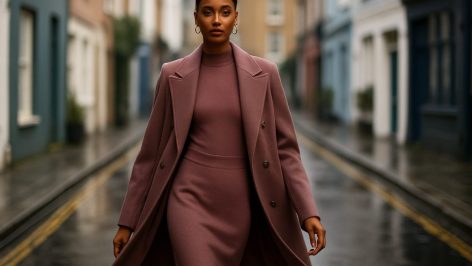
We’ll confess: for years we rolled our eyes when stylists insisted that ‘knowing your undertone’ was the secret to looking chic. It sounded like pseudoscience peddled by colour-analysis consultants with too much time and too many fabric swatches. Then Pantone crowned Mocha Mousse its 2025 Colour of the Year, designer Papa Oppong linked the shade explicitly to deeper skin tones, and suddenly every SS25 runway from Max Mara to Victoria Beckham was awash in espresso sheers, cashew creams and caramel tailoring. The UK search for ‘if your skin s’ has exploded, and we’re here to say it: dressing for your undertone isn’t pseudoscience, it’s fashion’s smartest power move this season.
Because here’s the truth the industry finally admits. When you wear colours that flatter your natural undertone, you look more expensive, more rested, more you. Get it wrong, pile on trends that clash with your skin’s base notes, and even a £2,000 runway piece can fall flat. The shift isn’t about rules; it’s about leverage. And this spring, the palette has crystallised around skin-tone harmony in a way we’ve never seen before.
If your skin’s undertone is the new styling brief, blame Pantone Mocha Mousse
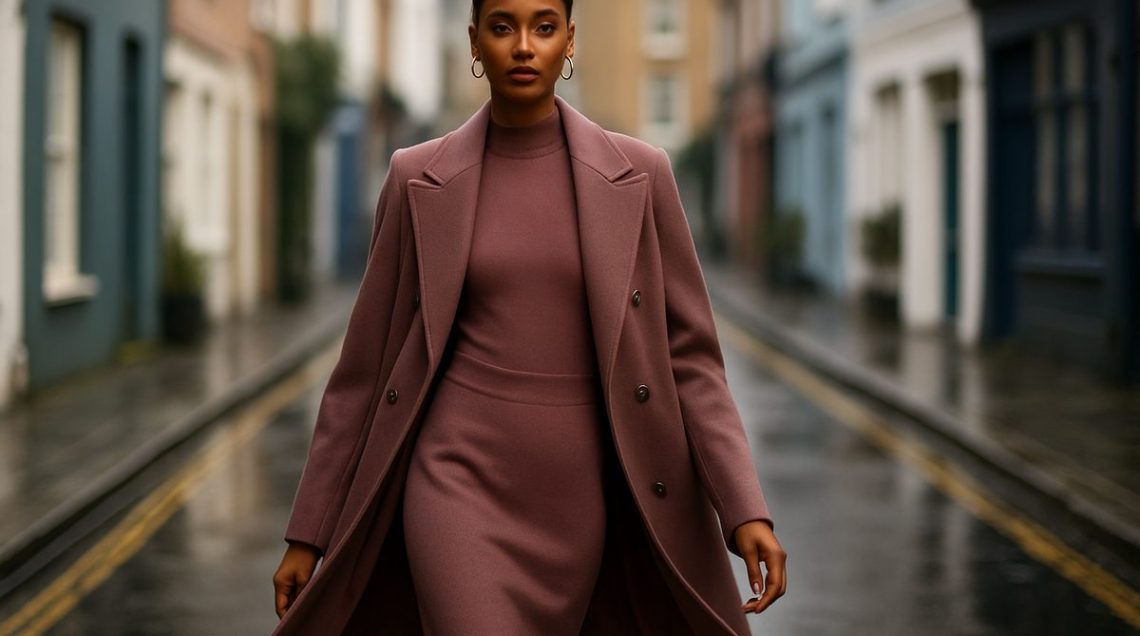
Papa Oppong made waves when he declared that Pantone’s Mocha Mousse was a celebration of deeper complexions, a colour chosen not in spite of its skin-tone resonance but because of it. That reframing turned a neutral into a political and aesthetic statement. By SS25, the runways had internalised the lesson. Max Mara showed Mocha Mousse dominance across coats and knits; 16 Arlington leaned into dark-brown evening separates; Acne Studios deployed mocha plaid; Tory Burch offered minimal mocha tailoring. All of it telegraphed one message: brown isn’t background anymore. It’s foreground, especially when it mirrors the warmth of your own skin.
The embed above, recently featured by The Wardrobe Consultant, shows exactly how mocha separates work on deeper, warm-toned skin, the effect is seamless, almost sculptural. Meanwhile, UK seasonal-colour-analysis house Curate Your Style London, Walpole-recognised and suddenly booked solid, reports that clients are no longer asking ‘what’s trending?’ but ‘what’s trending for my undertone?’ The brief has flipped. And retailers have noticed: John Lewis’s Shop Live Look 2024 report flagged a pared-back, skin-adjacent palette as the throughline in British buying behaviour. The algorithm is catching up to what stylists have known for decades.
The science, the sheer dresses and the cashew milk problem
We’re not just theorising. A study published in i-Perception by David Ian Perrett at the University of St Andrews found that observers consistently prefer blue hues on fair, cool-toned skin and warm orange-red hues on tanned or deeper complexions. In other words, colour aesthetics aren’t arbitrary, they’re rooted in contrast and harmony. That finding gives scientific backbone to every stylist who’s ever steered a client away from a colour that ‘just doesn’t work.’
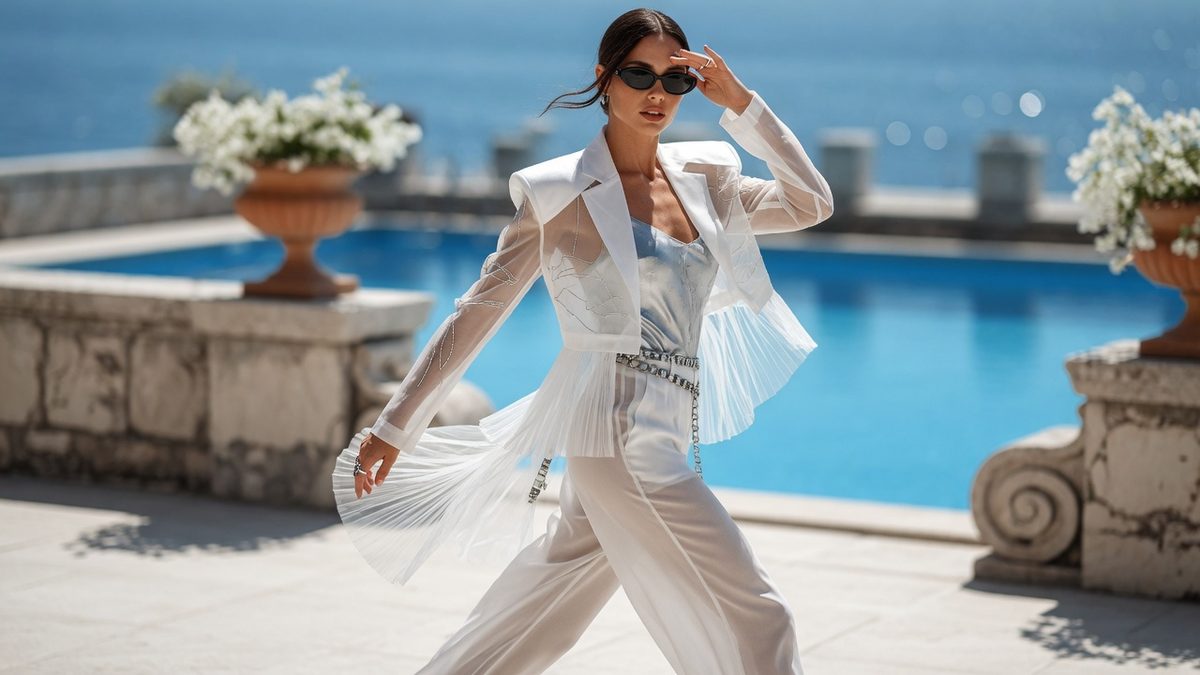
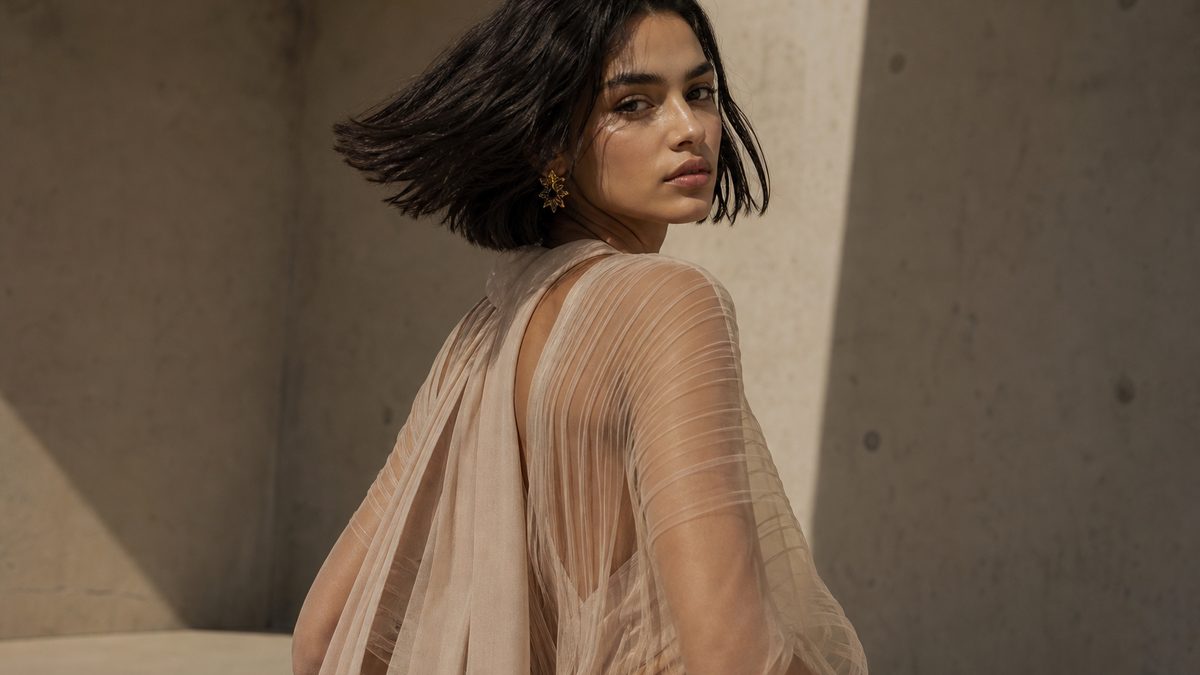
Now apply that to SS25’s sheer-dress mega-trend. Victoria Beckham’s espresso sheers looked transcendent on deeper skin, where the brown created tonal continuity rather than contrast. But put the same espresso sheer on very fair, cool-toned skin and the effect can read muddy. The inverse is true for ivory or blush sheers, stunning on fair warm or cool tones, less striking on deeper complexions without strategic layering or accessorising. The trend is universal; the execution is personal.
The post above, also highlighted by The Wardrobe Consultant, demonstrates how a blush sheer works on warm medium tones, proof that the same silhouette demands different colourways. Then there’s the cashew-milk neutral, flagged by Who What Wear as the ‘It neutral’ for 2026 and seen at Khaite, Alaia and Ferragamo. On warm or neutral undertones, cashew milk is pure elegance. On very fair, cool-toned skin? It can wash you out entirely. The solution isn’t to abandon the trend, it’s to pair it with a rich burgundy bag, a gold cuff, or swap it for true cream instead. Undertone fluency means knowing when to adapt, not when to obey.
How to actually dress for your undertone this season
First, determine your undertone with the vein test: flip your wrist in natural light. Blue or purple veins signal cool undertones; green veins mean warm; both visible means neutral. Cool undertones thrive in jewel tones, true whites, and icy pastels, think the ivory sheers at Ferragamo or the powder blues that will dominate high summer. Warm undertones glow in camel, rust, olive, coral and, yes, Mocha Mousse. If you’re neutral, you’re the rare unicorn who can pull off almost anything, but you’ll still look sharper in colours with enough saturation to create definition against your skin.
The reel above, curated by The Wardrobe Consultant, offers a visual masterclass in matching separates to undertone, note how the same cut reads entirely differently depending on the wearer’s skin base. This season, lean into the SS25 palette but filter it through your own lens. Cool undertones should claim the cashew milk trend via true cream or add a navy blazer for contrast. Warm undertones can double down on mocha, caramel, terracotta, the entire Tory Burch and Max Mara playbook is yours. Neutral undertones can mix both camps but should prioritise pieces with texture (plaid, bouclé, sheer overlays) to avoid looking flat.
The real power move? Recognising that ‘dressing for your undertone’ isn’t about limitation, it’s about precision. It’s the difference between looking good in a trend and looking like the trend was invented for you. And as the SS25 palette leans harder into skin-adjacent neutrals, the gap between those who understand undertone and those who don’t will only widen. So ask yourself: are you dressing for the moment, or are you dressing for the way light hits your skin when you walk into a room?