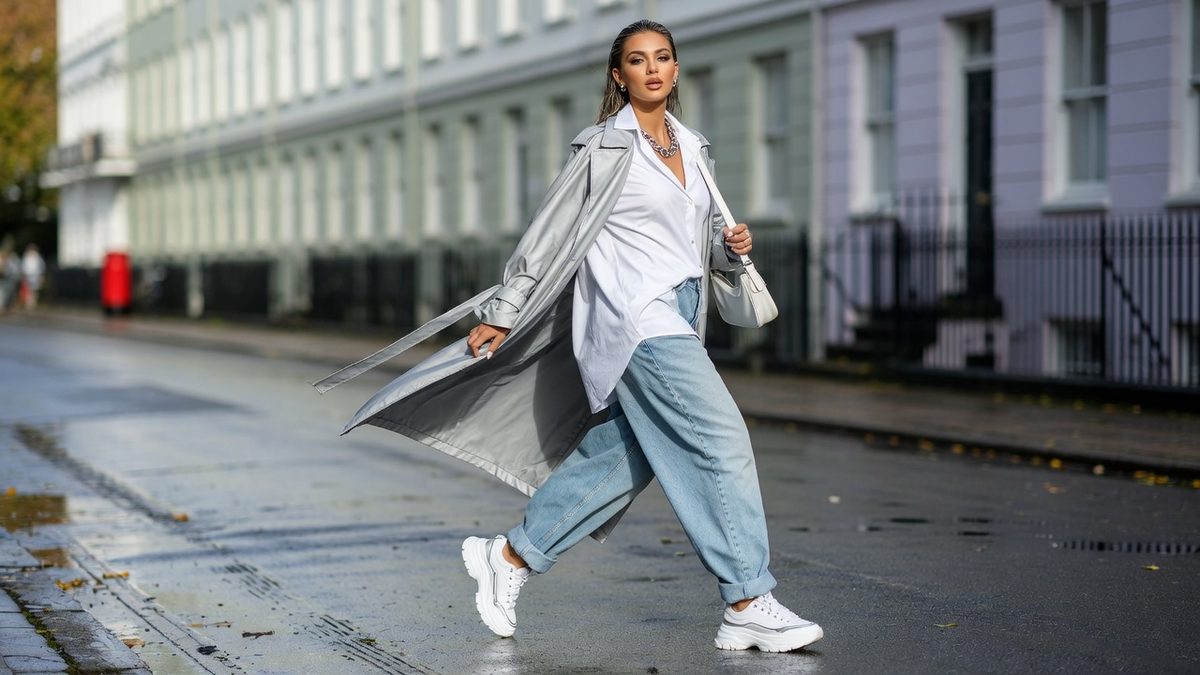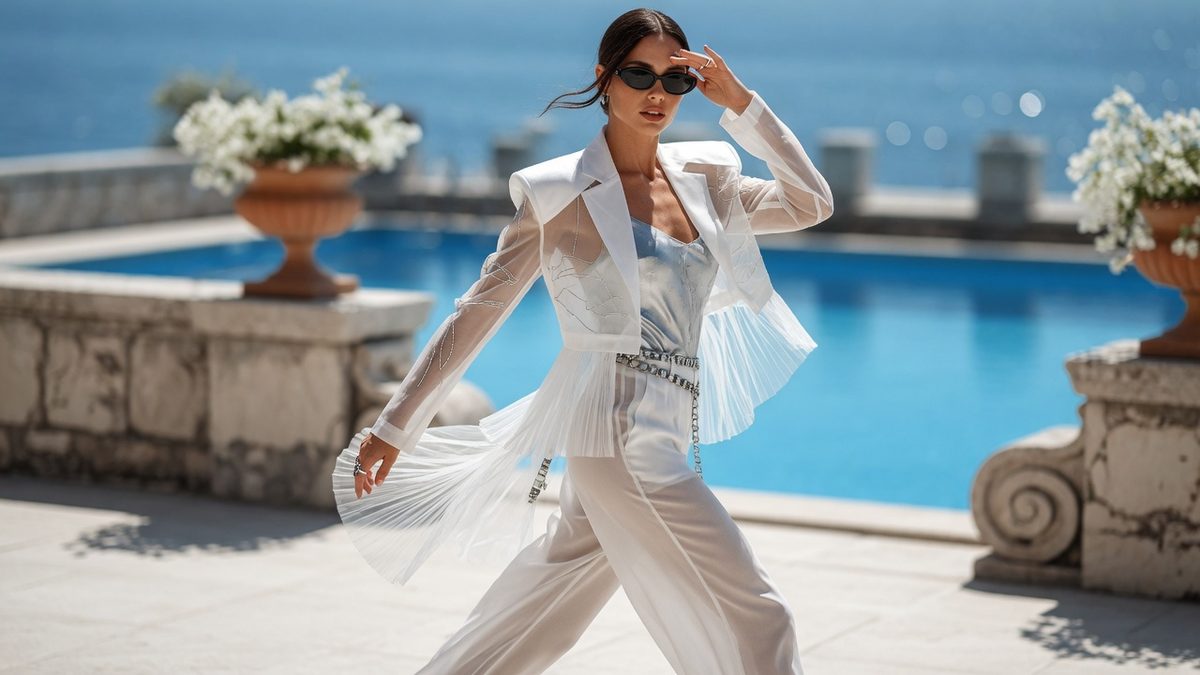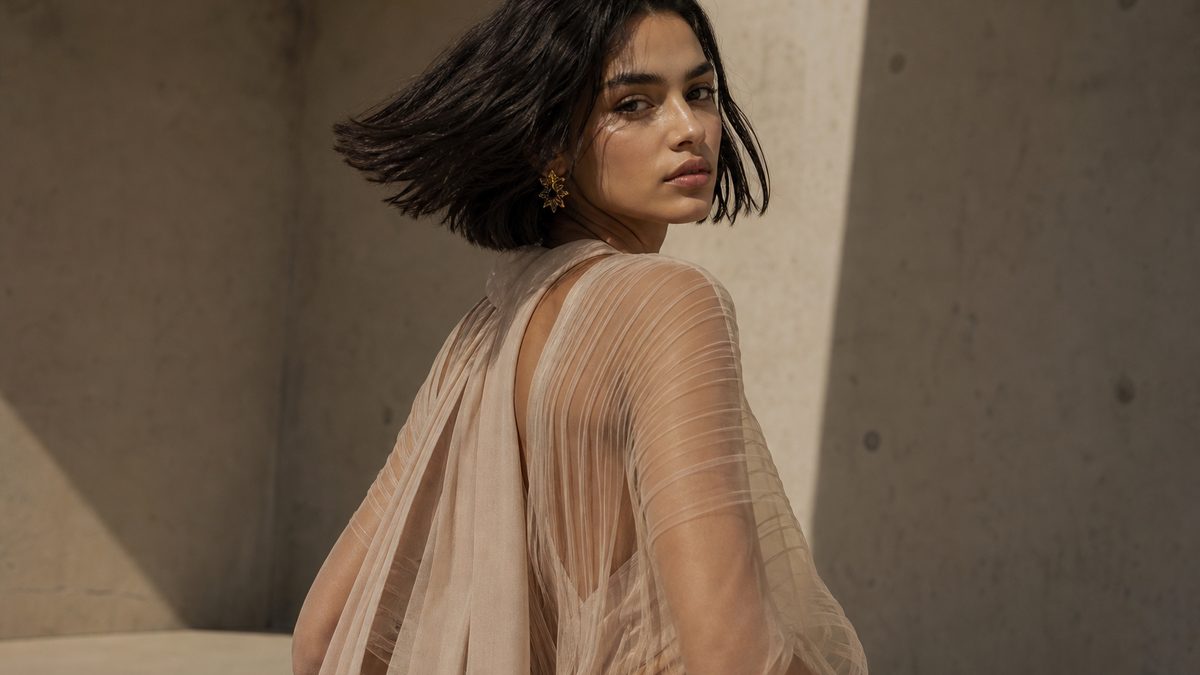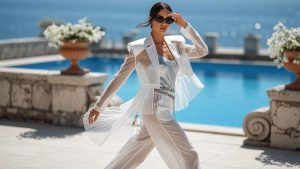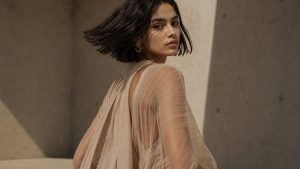
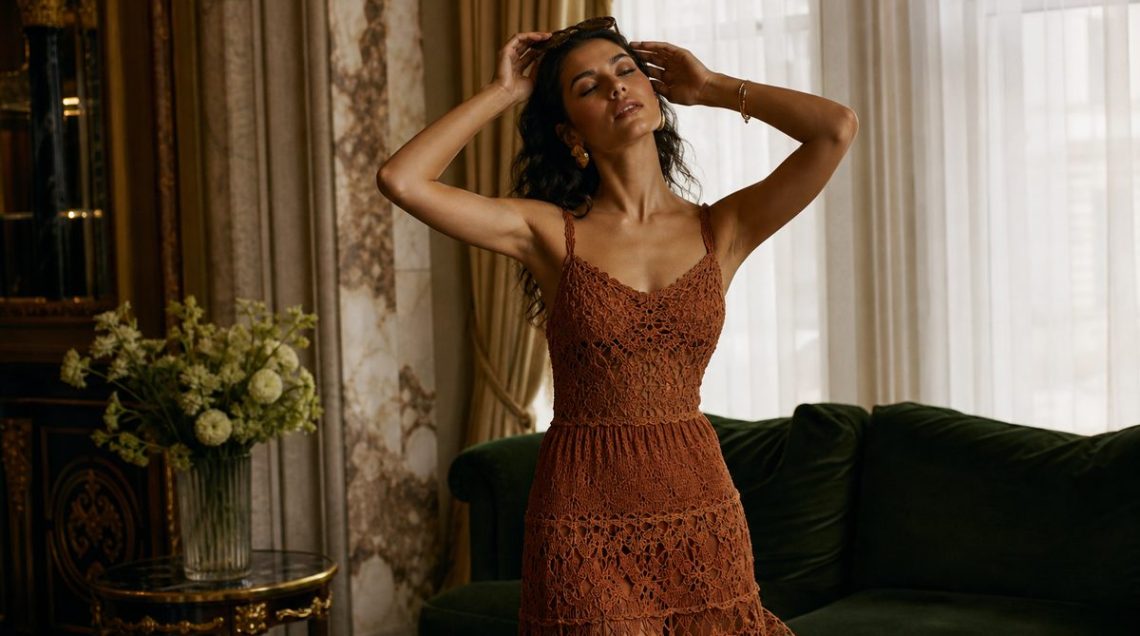
Who What Wear UK’s ‘Hold the X’ format has become the style playbook of the season, and its latest decree, hold the lace, add crochet, is ricocheting across Instagram reels and Zara rails at alarming speed. But here’s the twist: whilst lace trim dominated spring runways from Sandy Liang’s SS26 balletcore trousers to Tyla’s Valentino FW26 camisole at Milan, crochet is now being positioned as the ‘elevated alternative’ by stylists who argue it carries the same femininity but with artisanal texture that reads less lingerie, more craft. The swap is sharp, the logic sound, yet the very speed of crochet’s mass adoption, ASOS and Zara have flooded their summer edits with crochet tops and dresses, raises a question the format doesn’t answer: when does the alternative become as ubiquitous as what it replaced?
This is not a simple trend swap. It’s a case study in how texture can redefine an occasion code without altering the silhouette’s intent, and why the UK edit of crochet, layered over slips, paired with tailored trousers, succeeds where the holiday-resort version (crochet mini, denim shorts, espadrilles) fails to translate to London summer. The smartest wardrobes are treating crochet as a material upgrade, not a wholesale replacement, because even lace is being reworked at the high end: Kendall Jenner’s archival Dior lace cami at her pre-Oscars dinner and Burberry’s AW2026 LFW juxtaposition of heritage lace with leather prove the ‘replaced’ texture is far from obsolete. The swap works, but only if you understand its limits.
The ‘hold the lace’ rule, and why crochet wins the swap
The logic is rooted in what stylists call ‘swap thinking’: the replacement must share the original’s occasion code but differ in texture or weight. Lace and crochet both signal femininity, both work for warm-weather dressing, both nod to craft heritage. But where lace skews lingerie-coded, sheer, delicate, often trimmed with elastic or satin, crochet reads artisanal, textured, intentional. It’s the difference between wearing a slip dress to dinner and wearing a hand-knit cardigan over tailored trousers: same elegance, different material authority. COS’s top-selling crochet staples this summer and the Valentino Rockstud pumps styled with crochet midi skirts in Alessandro Michele’s revival collection prove the texture has editorial legitimacy, not just high-street ubiquity.
But the format’s own success is its undoing. Crochet is now so pervasive at ASOS and Zara that it risks becoming the new micro-trend treadmill, the alternative that’s already everywhere. The ‘hold the X’ rule assumes scarcity of the swap, yet crochet tops are now as common as the lace camisoles they’re meant to replace. The smartest approach treats crochet as a spectrum, not a monolith: lace trim is entry-level, lingerie-adjacent; a crochet top is elevated, craft-coded; a full crochet dress is statement, editorial. Knowing where you sit on that hierarchy is the difference between looking considered and looking like you followed a TikTok mandate.
Swap logic: how texture replaces texture without losing the occasion code
The brilliance of the swap lies in its preservation of context. A lace camisole worn to a summer dinner can be swapped for a crochet halter without altering the formality or femininity of the outfit, same occasion, different texture. This is why Sandy Liang’s SS26 lace trousers and Tyla’s Valentino lace styling still work within the ‘hold the lace’ conversation: they’re not being rejected, they’re being contextualised. Lace is being reworked at the high end as a detail (Burberry’s AW2026 lace-and-leather juxtaposition) whilst crochet dominates the mid-market as a hero piece. The swap doesn’t erase lace; it simply redistributes its function.
Yet here’s the contrarian reading: the ‘hold the X’ format risks over-simplifying how trends actually evolve. Loewe, Dior, and Fendi’s bold-colour SS26 collections suggest the real counter-programming isn’t texture swaps at all, it’s colour adjacency, the Meryll Rogge school of thought where saturation and silhouette matter more than whether something’s crochet or lace. The swap logic works for stylists building a capsule wardrobe, but it doesn’t account for the fact that both textures can coexist in the same edit, serving different moods. The most compelling summer wardrobes aren’t holding the lace at all; they’re layering it under crochet, pairing Valentino lace trim with a crochet cardigan, using texture as conversation rather than substitution.
How to wear crochet in the UK without looking like you’re on holiday
The UK proportion fix is non-negotiable: crochet works over a slip or with tailored trousers, not with denim shorts. The latter reads Ibiza, the former reads London summer. A crochet halter layered over a silk slip dress and worn with loafers or mules is the entry point; a crochet midi skirt with a cotton poplin shirt and Valentino Rockstud flats is the elevated version. Avoid cropped crochet tops worn alone unless you’re actually on holiday, the bare midriff plus artisanal texture creates a tonal clash that reads more festival than city.
Colour matters more than most edits admit. White and ecru crochet are safe but expected; the smartest buyers are reaching for sage, terracotta, or charcoal, shades that signal craft without leaning boho. Kendall Jenner’s archival Dior lace cami proves that even the ‘replaced’ texture still holds authority when styled with intention, and the same applies to crochet: a charcoal crochet cardigan over a black slip dress reads exponentially more considered than a white crochet crop top over shorts. The texture is only as smart as the proportion and palette you build around it.
The real question isn’t whether to hold the lace, it’s whether the alternative is genuinely alternative, or just the next thing everyone’s already wearing. Crochet’s editorial moment is real, but its mass-market saturation is equally real, and the gap between the two is closing fast. The smartest wardrobes are treating both textures as tools, not trends, and asking what each one solves for rather than which one to swap in. That’s the edit the format doesn’t teach, and it’s the one that will still look sharp when the next ‘hold the X’ arrives.