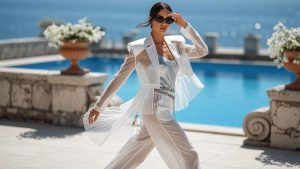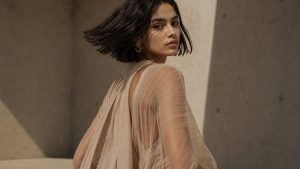
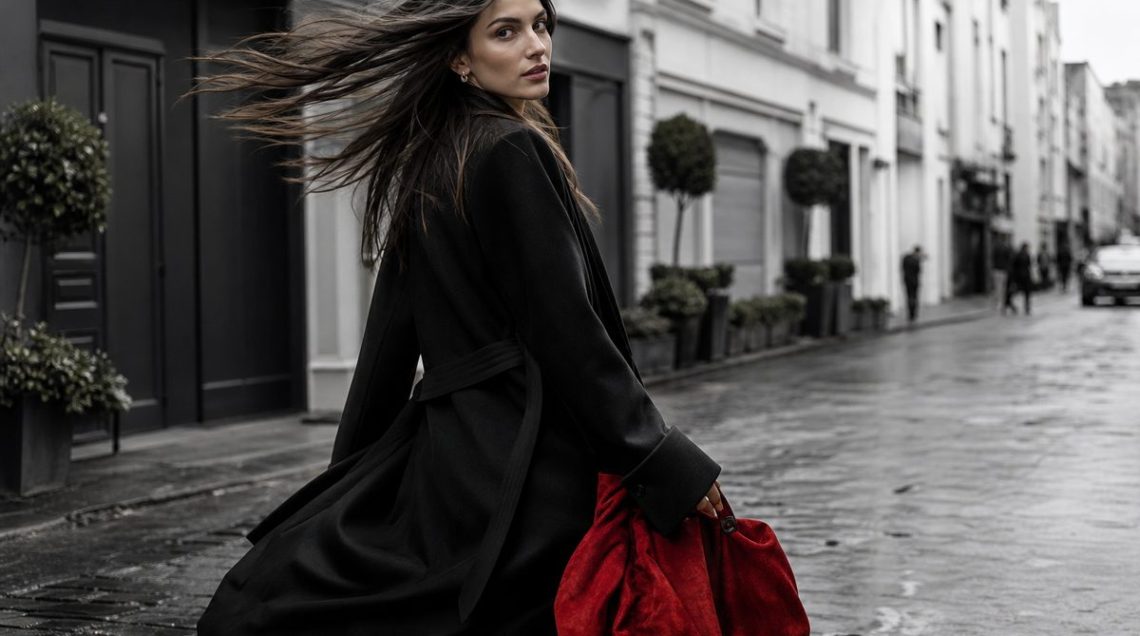
The phrase “easy effortless and elegant” has quietly detonated across UK search behaviour this month, and what’s driving it isn’t the familiar roll call of beige coats and oatmeal trousers. Instead, it’s Chemena Kamali’s Winter 2026 Chloé show, a lilac slim trouser paired with a sharp-shouldered top, that’s rewritten the visual grammar of effortless elegance. Colour, not neutrality, is now the confidence signal.
For a decade, effortless dressing has meant tonal beige, ivory knits, and the studied absence of anything loud. But 2026 has flipped the script: a single confident hue, worn head-to-toe, reads more effortless than careful layering ever did. The UK fashion conversation has shifted from “less is more” to “one colour is enough.”
The signal: why effortless elegance is no longer beige
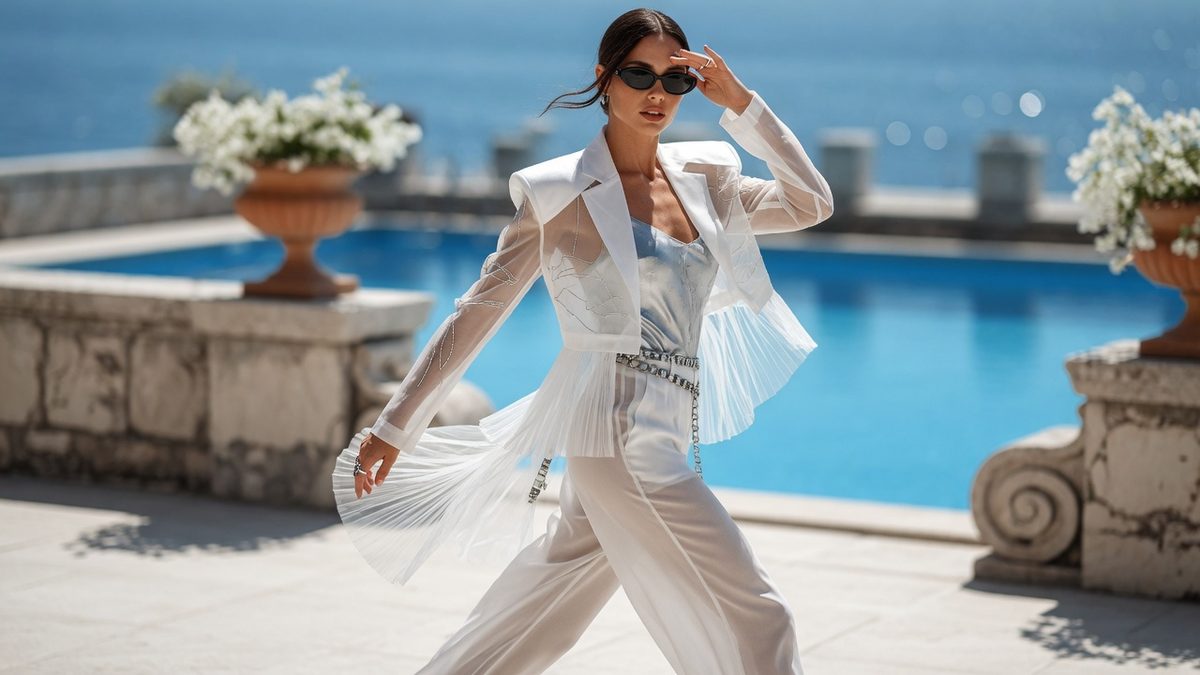
Chemena Kamali’s Chloé collection landed in March with a thesis: monochromatic colour dressing, lilac, dusty rose, deep plum, communicates ease more effectively than beige ever could. The same week, Veronica Leoni’s Calvin Klein Collection showed off-white monochrome as the new elegance template, while Toteme’s black-and-white rigour proved the point from the opposite end of the spectrum. The common thread? A single-colour story from collar to hem eliminates the mental load of outfit assembly.
The shift is structural, not seasonal. UK retailers, Whistles, Arket, Reiss, report rising demand for tone-on-tone dressing in colours beyond sand and cream. Alaïa’s ruched wool maxi dress in deep chocolate, & Other Stories’ fluid midi dresses in sage and terracotta, Massimo Dutti’s luxe knitwear in slate blue: the new effortless elegance has a Pantone code, and it’s no longer 13-1008 TPX.
Cultural roots: from Bessette-Kennedy to Chemena Kamali’s Chloé
Effortless elegance as we’ve understood it was codified in the Nineties by Carolyn Bessette-Kennedy: slip dresses, column silhouettes, the studied refusal of ornament. That minimalist inheritance, championed by contemporary references like Daisy Edgar-Jones and Camille Charrière, relied on neutral palettes and invisible effort. But Kamali’s Chloé reintroduces a forgotten truth: colour confidence is a form of ease. When you commit to one hue, you eliminate the friction of coordination.
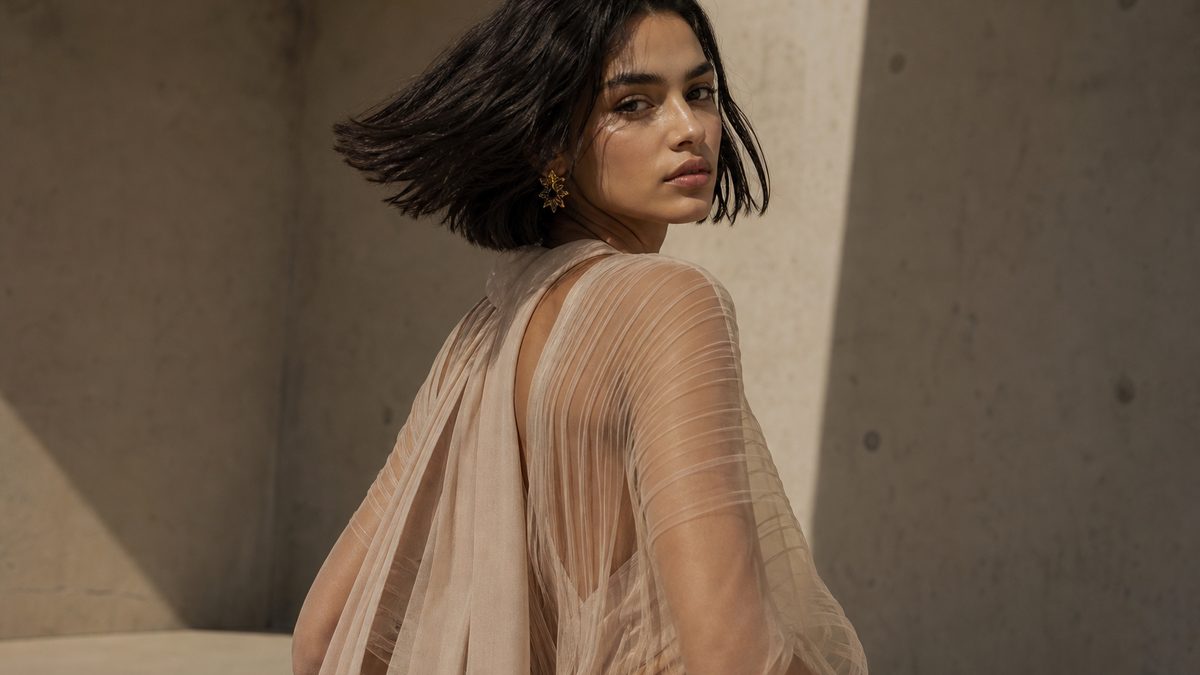
The cultural shift is partly generational. Younger UK buyers raised on Ganni’s playful irreverence and & Other Stories’ fluid viscose have less reverence for beige as a signifier of taste. They’ve learned that fabric quality, washed silk over stiff duchess satin, fine merino over chunky wool, fluid viscose over rigid cotton, matters more than colour restraint. The new effortlessness is tactile, not tonal.
There’s also a practical dimension. A lilac trouser-and-top pairing or an off-white monochrome outfit answers the “what goes with this?” question before it’s asked. The cognitive ease of single-colour dressing is the antithesis of the beige capsule wardrobe, which still required daily recombination. Effortless elegance in 2026 means fewer decisions, not fewer colours.
How to wear it: the one-volume rule and the effort-signal trick
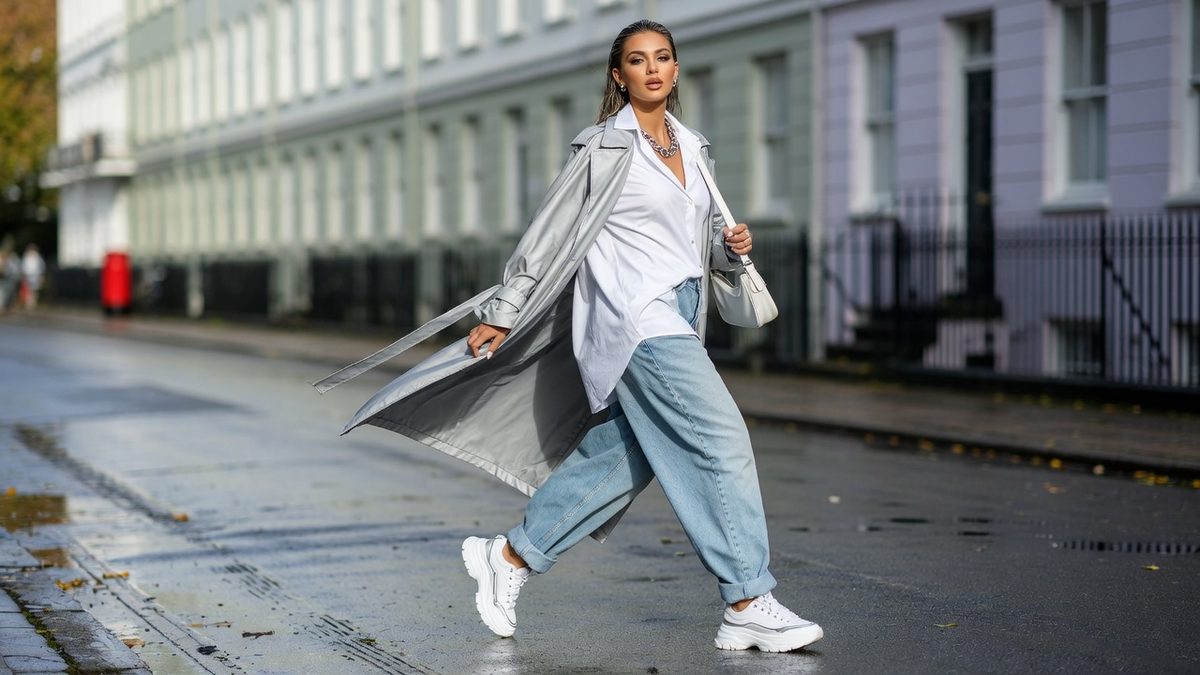
The mechanics are simpler than the discourse suggests. Apply the one-volume rule: pair one fluid or relaxed piece, a washed silk slip dress, wide-leg linen trousers, a fluid viscose midi, with one fitted or structured piece, a soft blazer, a knitted polo, a sharp-shouldered top. This creates visual balance without requiring a stylist’s eye. Toteme and Reiss have built entire collections on this principle.
Then deploy the effort-signal trick: add a single deliberate detail that signals intentionality. A tucked-in hem at the front only. A thin belt at the natural waist. One pair of thin gold hoops. Pointed-toe boots instead of trainers. Loafers with a slight heel. The trick is restraint: one effort signal elevates the outfit; two or more tips it into “trying.” The goal is to look considered, not considered-at-length.
Finally, the three-question effortless elegance test. Does it require ironing every wear? (If yes, it’s not effortless.) Does it adjust itself while you walk, no tugging, no smoothing? (If no, it fails.) Does it work for at least two different occasions without a costume change? (If not, it’s a single-use garment.) Apply this to every piece before purchase, and the wardrobe self-edits. The UK high street, Whistles, Arket, & Other Stories, already stocks pieces that pass all three, often in colours that aren’t beige. The only question left is whether you’re ready to wear ease in lilac instead of oatmeal.