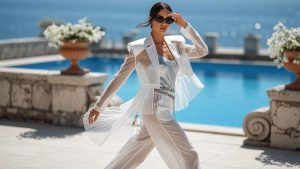


The question ‘are you really a’ is surging across UK search, and it’s not existential crisis, it’s wardrobe reckoning. In 2026, the Clean Girl aesthetic has become shorthand for a lifestyle: slicked buns, gold hoops, neutral everything. But scroll past the TikTok mood boards and open your own wardrobe. Do the pieces actually live there, or just the aspiration? The gap between claiming an aesthetic and genuinely inhabiting one has never been wider, and British style culture is finally calling it out.
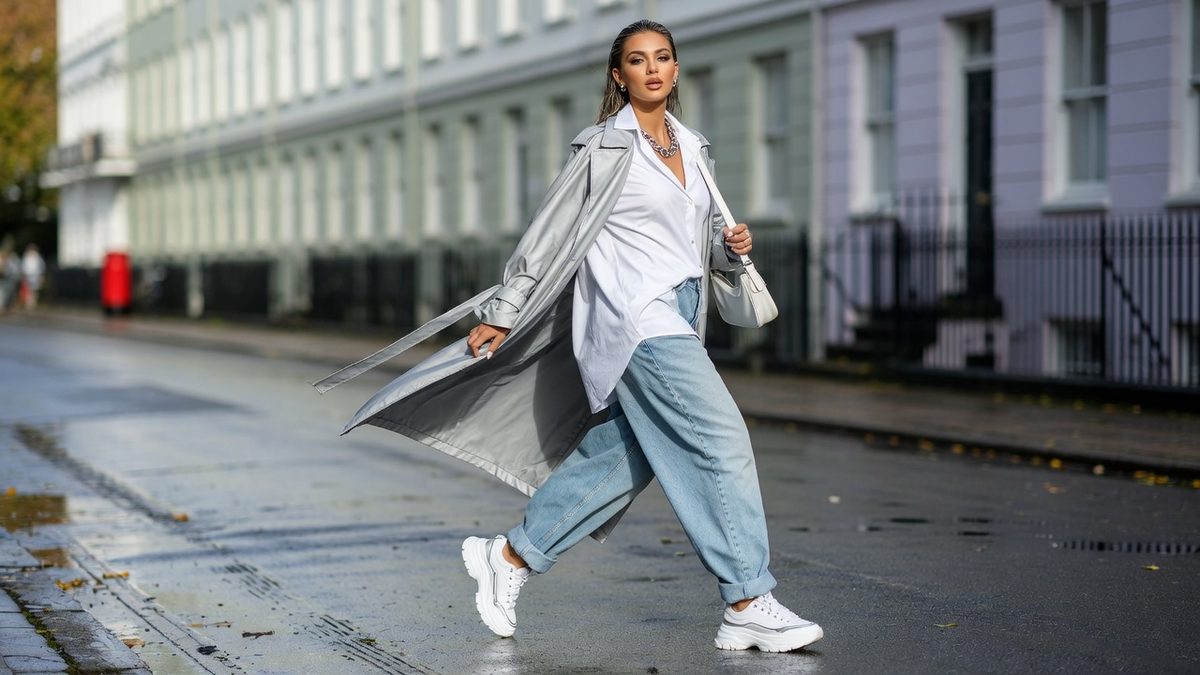
This isn’t about gatekeeping. It’s about precision. Stylists now apply a 70% rule: if less than seven in ten items in your existing rotation align with the aesthetic you claim, you’re not living it, you’re cosplaying it. That distinction matters in an era where trend tourism has replaced personal style, and where the most credible move might be refusing the label altogether. London street style at SS26 Fashion Week proved the point: the best-dressed didn’t announce their tribe. They just dressed.
Are you really a Clean Girl? The self-audit that separates identity from mood board
Start with five concrete questions. Do you own a minimum of three ribbed vests in cream, oat, or grey? Is your everyday bag a structured tote in tan or black leather, not canvas? Can you leave the house in under ten minutes because your routine is genuinely pared-back, or does ‘Clean Girl’ require forty minutes of contouring to look ‘natural’? Do you reach for gold jewellery daily, or did you buy it specifically for the aesthetic? Finally: does your wardrobe function without the pieces that trend-led purchases, the Frankie Shop blazer, the Toteme scarf coat, or does it collapse without them?
The same audit applies to every 2026 micro-label. For That Girl, ask whether you genuinely journal and meal-prep, or whether you bought the props. For Old Money, the tell is whether you’ve owned those Ralph Lauren knits for five years or five weeks. For Office Siren, the question is whether the Miu Miu micro-mini actually goes to work, or stays on the hanger. The Blokette test is the sharpest: can you style a football shirt without looking like you’re trying? If the answer requires a Pinterest search, you’ve already failed.
Matthieu Blazy’s Chanel SS26 collection offered a masterclass in genuine aesthetic coherence, every piece in quiet conversation with the next, no trend signalling required. That’s the standard. If your wardrobe requires explanation, curation, or a specific lighting setup to ‘read’ correctly, it’s not an aesthetic. It’s a costume.
Why label refusal is the sharpest style move of 2026
The irony of 2026’s aesthetic explosion is that claiming one has become deeply unfashionable among those who actually shape style. London’s most-watched dressers, the ones street-style photographers circle at Fashion Week, resist categorisation entirely. They pull from Poetcore’s vintage blazers, Blokette’s sports-luxe flats, Downtown Girl’s lived-in denim, but never commit to the full uniform. The refusal is deliberate. It signals fluency, not followership.
This isn’t vagueness. It’s precision without taxonomy. Alessandro Michele’s layered-tee constructions at Valentino AW25 and Marc Jacobs’ grunge layering legacy prove that the most enduring style languages borrow widely but label narrowly. The ‘fewer trends, more identity’ shift that defined late 2025 has matured into active label resistance. To announce ‘I’m Clean Girl’ in 2026 is to admit you need the scaffolding of a named trend to get dressed. The confident move is to dress in a way that makes observers guess, and fail.
Lyst’s Q1 2026 Index confirmed Chanel at the top not because it chased aesthetics, but because it ignored them. The brand’s authority lies in its refusal to participate in the micro-trend cycle. That’s the lesson: longevity belongs to those who decline the invitation to perform their influences. If your style requires a TikTok caption to be understood, it’s not style, it’s content.
The London-real edit: what to actually buy (and what to leave on TikTok)
Three aesthetics translate to UK street reality in 2026. Blokette works because it resists easy replication, pairing a vintage Umbro jersey with a pleated midi skirt and Mary Janes requires genuine styling instinct, not a shopping list. Poetcore succeeds because its components (blazers, wide trousers, loafers) are wardrobe foundations, not trend pieces. Downtown Girl endures because it’s fundamentally about fit and fabric quality, not logos or labels. All three survive the 70% rule because they don’t demand a full wardrobe purge to adopt.
What doesn’t translate: Office Siren’s hyper-femme tailoring reads as costume outside the TikTok frame. Clean Girl’s minimalism only works if your base wardrobe is already expensive, cheap neutrals look unfinished, not refined. Old Money fails the London test entirely because British heritage dressing is lived-in, not performed, and American Ivy cosplay doesn’t survive a commute on the Central line. If an aesthetic requires you to buy more than three new pieces to ‘commit’, it’s not an identity shift, it’s a retail trap.
The actionable edit: invest in one excellent blazer that works tailored or oversized, a pair of wide-leg trousers in wool or linen depending on season, and flat shoes that aren’t trainers (loafers, ballet flats, or Mary Janes). Those three pieces anchor any 2026 aesthetic without announcing it. Add a structured leather bag and gold hoops if your existing jewellery is silver, but only if you’ll wear them beyond the trend window. Everything else, the viral Toteme coat, the trending Adidas Sambas, the algorithmically popular ribbed set, can wait. The question isn’t whether you can afford the aesthetic. It’s whether your wardrobe can survive without the label once the search term stops trending.