

Central Saint Martins holds the single most consequential job title in British fashion, and almost nobody outside the industry can say who holds it. That person is Sarah Gresty, and the title is BA Fashion course director. She has spent a decade quietly deciding which twenty-something graduates get pushed in front of the scouts, the buyers and, eventually, us.
We think that’s exactly backwards, and it’s worth saying plainly: the most powerful job in fashion shouldn’t be the quietest one. Gresty’s decade at the top of the BA Fashion course, University of the Arts London, has produced a run of names now shaping the industry’s centre of gravity, and the anonymity around how that happens is the actual story.
What Sarah Gresty’s decade at Central Saint Martins actually built
Start with the roll call, because it does the arguing for us. Matty Bovan now runs his own label and has held an Arts Council prize to his name. Molly Goddard built a brand that has been shortlisted for LVMH’s young-designer prize. Phoebe English has carved out a reputation built on sustainability. Craig Lawrence has built a career out of the knitwear specialism CSM is famous for cultivating.
None of that is coincidence dressed up as narrative. It’s a pattern, and patterns under one course director for a decade are, by definition, a curriculum. Gresty didn’t just teach these designers, she built the pipeline that decided which of them got seen at all. That’s the part the industry rarely says out loud, and it’s the part that matters.
From Willie Walters to now: how CSM changed its star-making
Gresty’s predecessor, Willie Walters, ran the course for 24 years and, in that time, produced Azzedine Alaïa-adjacent lineage through to John Galliano, Stella McCartney, Phoebe Philo and Ricardo Tisci, along with Hussein Chalayan. That’s not a resume, it’s a monopoly on the last three decades of British fashion’s biggest names, built under one steady hand.
So the obvious objection lands quickly: how does anyone follow that without simply managing decline? We think the objection misses what’s actually changed. Walters’s era made stars through gatekeeping in an industry that was still analogue, slow, and centred on a handful of editors. Gresty’s era has made stars in a socially native industry, where a graduate collection can be shared, screenshotted and scouted within hours rather than seasons. That’s not a lesser version of the same job. It’s a different job wearing the same title.
The through-line to Gresty’s own career makes the point sharper still. She was discovered as a knitwear graduate when Azzedine Alaïa bought her graduate project outright, the exact kind of single, decisive moment of external validation her own students now chase. A course director who was found that way is, structurally, more likely to build a system that rewards the same moment for someone else. That’s not sentiment, it’s design.
Why the Peckham move matters, and what to watch next
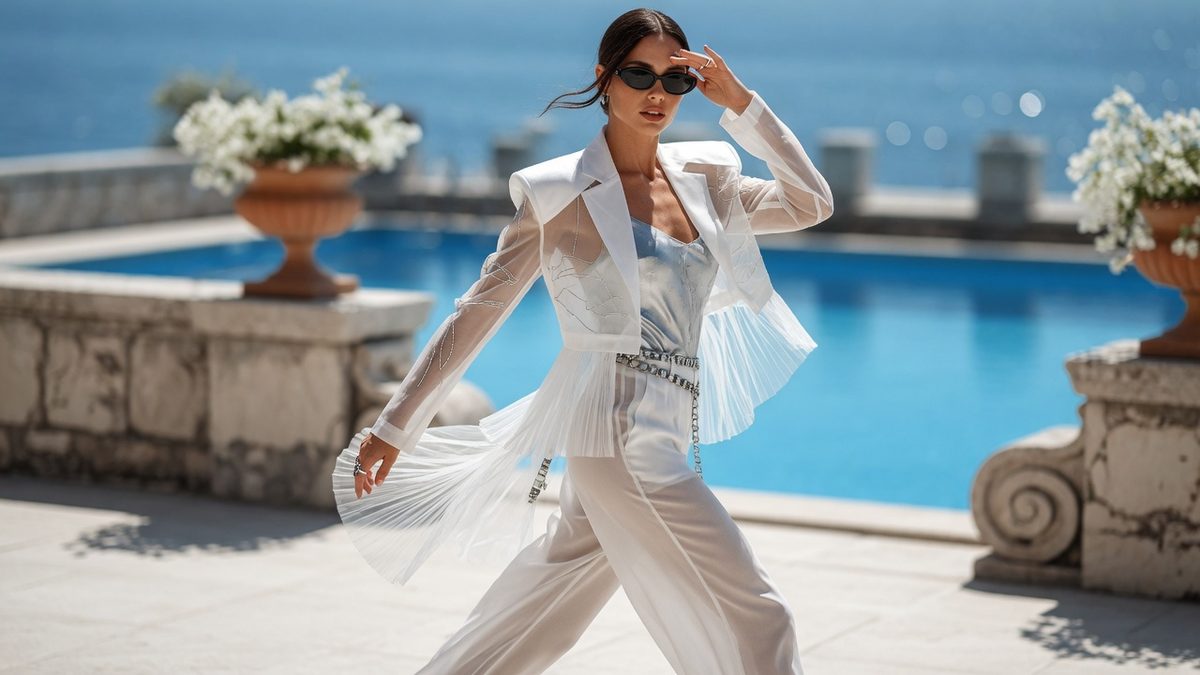
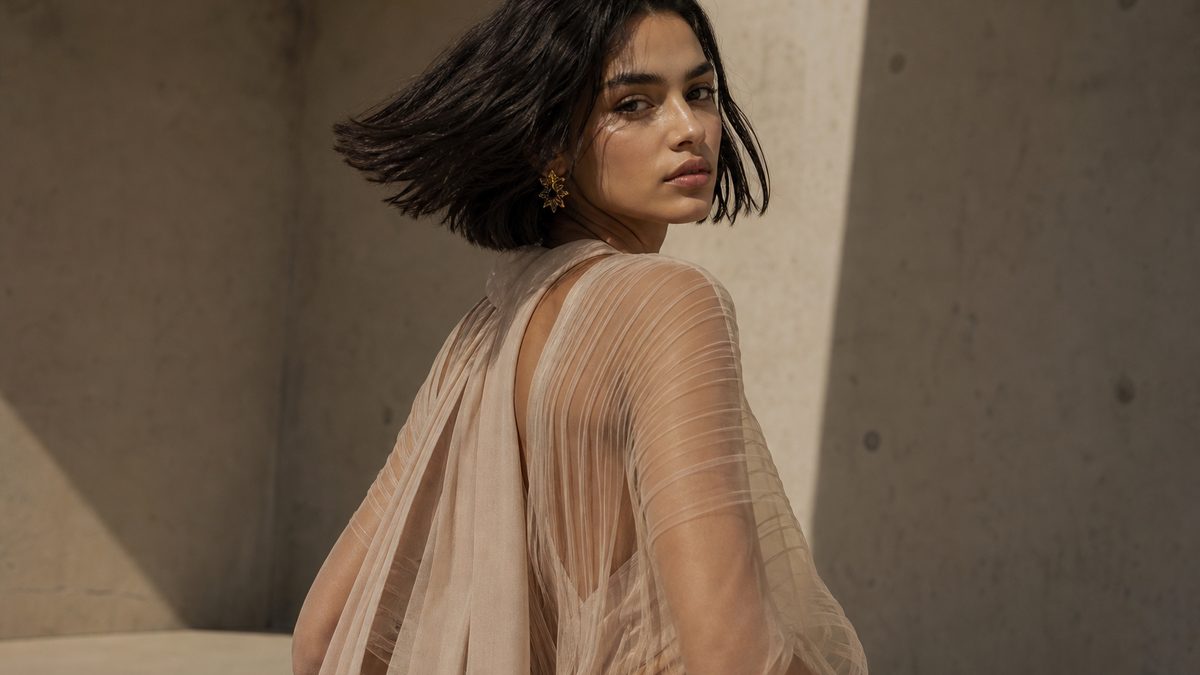
The clearest evidence that Gresty’s CSM is still restructuring, not coasting, is the BA Fashion Show 2026, staged off-campus in Peckham for the first time in 15 years. Moving the show out of its usual walls, and opening judging to a public vote, is a deliberate loosening of who gets to anoint the next generation. That’s a democratisation happening on her watch, not despite it.
The L’Oréal Professionnel Young Talent Award going to Polina Kadilnikova out of that show is the freshest data point in the pattern, arriving from a graduating class assessed, in part, by people who aren’t editors or buyers at all. Outlets covering the course closely, including Business of Fashion and Drapers, have tracked this shift as evidence that CSM’s star-making machinery is being rebuilt in public rather than protected behind closed reviews.
Whatever Gresty says she looks for in a graduate, on the record in BoF and Drapers profiles, is the only version worth trusting, not the industry folklore built up around her. The next cohort to watch isn’t a guess, it’s already been through her hands. Which of this year’s Peckham names ends up the next Bovan or Goddard is the only question that actually matters now, and nobody, including us, gets to answer it early.