Every September, the same feeds fill with the same promise: dress like a Parisian and your autumn wardrobe sorts itself out. This year the vehicle is a Who What Wear piece titled “The Chicest Women in Paris Always Reach For These Outfit Formulas When Fall Arrives”, and it’s landed right as UK searches for autumn dressing formulas do their annual climb.
The formulas themselves aren’t new. Belted trenches, leather jackets over midi skirts, straight-leg jeans instead of skinny ones, these have circulated for years. What’s worth asking, now that the same listicle format has resurfaced again, is which parts of it are genuinely load-bearing and which are just seasonal padding dressed up as a French secret.
The Parisian outfit formula, decoded from the recurring signals
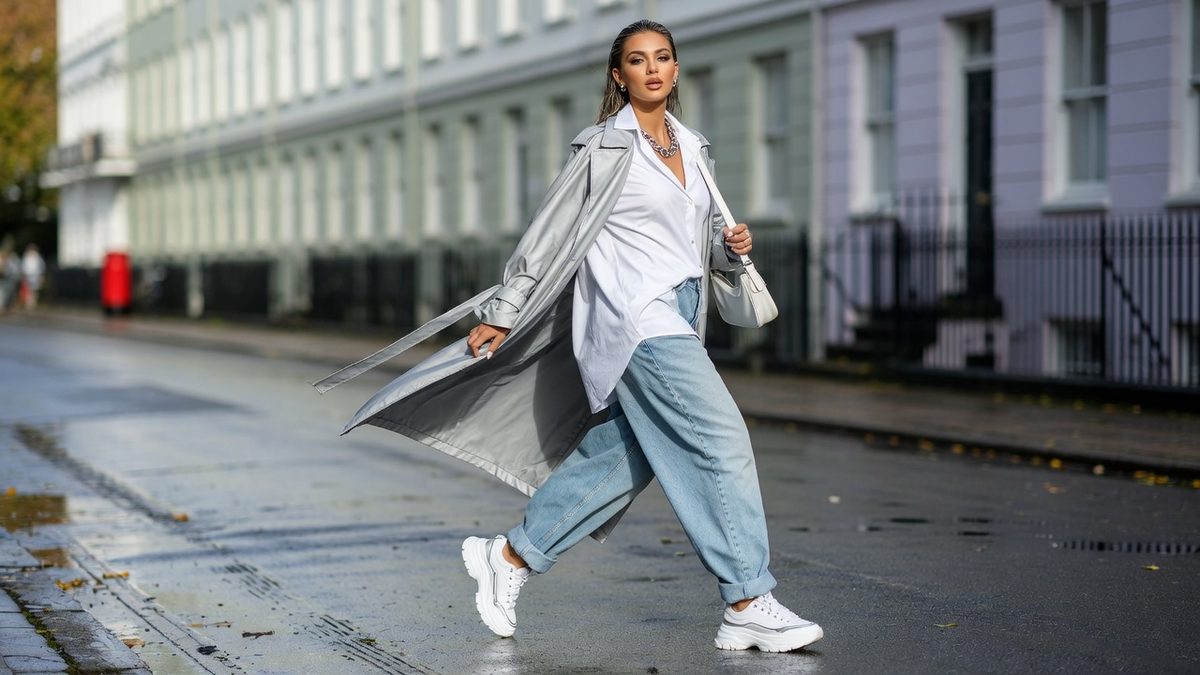
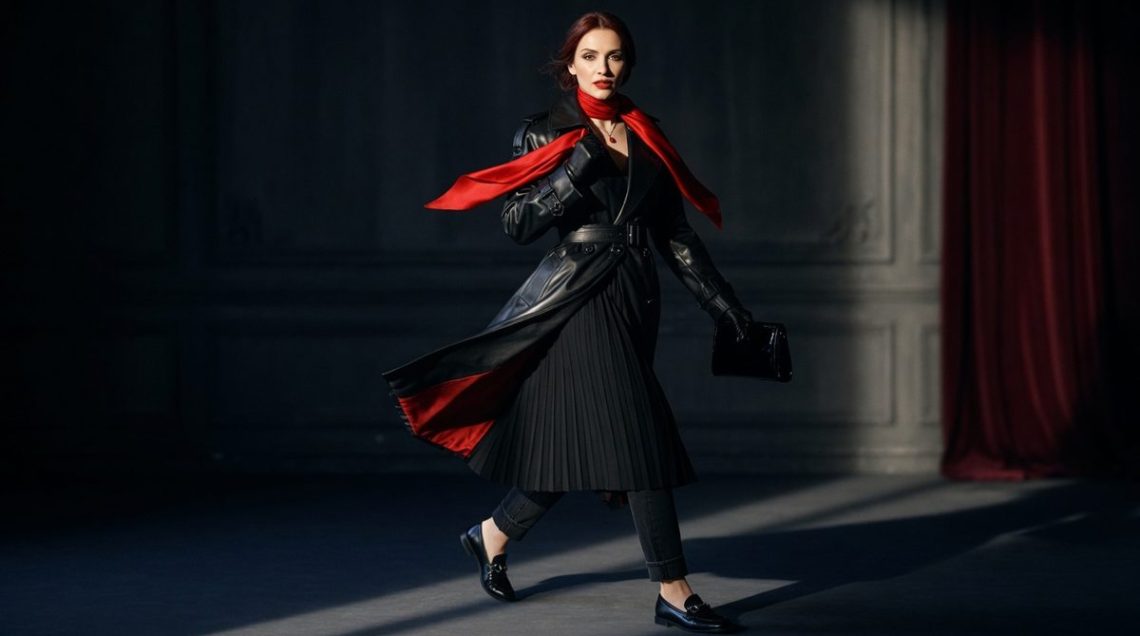
Strip away the styling and the “formula” is really a short, repeatable list: a belted gabardine trench worn over straight-leg or wide-leg jeans, never skinny; a soft leather or suede jacket layered on top of a midi skirt; a fine-knit wool or cashmere-blend crewneck with denim; a silk scarf either draped at the neck or tied to a bag handle; and a crossbody bag worn front-facing rather than swung to the hip. Who What Wear isn’t inventing this so much as decoding it, and that’s the useful distinction, the outlet has run close variants of this exact list across multiple autumns, which is itself the tell.
That repetition is the real signal. When the same two or three combinations reappear season after season, belted trench over straight leg, leather jacket over midi, crewneck with jeans, it means those pairings have earned their place rather than being repackaged as new trend bait. The camel, ivory and navy palette that anchors all of it works the same way: it’s not a new colour story, it’s the one that survives every re-edit because it never has to compete with itself.
The accessories are where the formula does its quiet work. A skinny or rope belt cinched over a coat, loafers or ankle boots kept flat rather than heeled, a scarf tied off at a bag strap instead of the neck, these are proportion tools dressed up as accessories, and they’re the parts of the list that show up in every version of this story, whichever outlet is running it that year.
Why the French girl trope keeps selling every September
“French girl style” has functioned as a September reset button for fashion media for over a decade, and the reason it keeps working is structural, not seasonal. Quiet Luxury and effortless-chic framing both rely on the same trick: presenting deliberate styling as instinct, so a reader feels they’re being handed a shortcut rather than a set of rules.
It’s also worth naming the pushback. French style commentators and members of the Parisian press have repeatedly questioned whether “French girl style” as sold to Anglophone readers is a real local habit or an export product built for outside consumption, a stylised, editable version of Paris rather than a description of how Parisians actually shop or dress day to day. The trope survives less because it’s accurate and more because it’s endlessly re-sellable: a fresh headline, the same underlying wardrobe, every autumn.
None of that makes the formulas useless, it just reframes what’s being sold. The clothes are genuinely well-proportioned; the “Parisian” framing is the packaging, refreshed annually to make familiar advice feel new again.
How to wear the formulas in a British autumn
The proportion logic behind the formula is worth borrowing even where the styling isn’t. A belted trench works because cinching the waist against straight-leg volume below creates definition without needing tailoring, stylists sometimes describe it as building an hourglass through outerwear rather than under it, which is why the belt matters more than the coat itself.
Fabric is the other non-negotiable. A leather jacket over a midi skirt only reads chic in soft, worn-in leather or suede, stiff pleather kills the drape and flattens the silhouette instead of skimming it. The same logic applies to the crewneck: a proper wool or cashmere-blend knit holds its shape at the shoulder, where acrylic sags within a wash or two.
Where UK readers need to adapt rather than copy is the climate. Paris-formula styling assumes dry, 12-16°C days, which London and Manchester rarely deliver in October. Swap a sheer silk scarf for a wool or wool-blend one, and slide a thin thermal layer under the fine-knit-plus-jeans combination before the cold forces a puffer over the top and breaks the line entirely.
Get the proportions right and the coat, the belt and the flat shoe do most of the work, which raises the obvious next question: once the formula’s been decoded this thoroughly, how many more autumns does it have left before readers stop needing the headline at all?