Denim has always been Britain’s most democratic garment, but The denim shapes that flatter, and how to style each one is no longer the promise brands are selling. Walk through any high street this September and the silhouettes on the rail tell a different story: barrel legs that balloon rather than cinch, bootcuts that skim rather than sculpt, straight cuts that simply hang. The flattery contract, the one that’s governed jeans shopping for two decades, is quietly being torn up.
That shift is why denim is dominating UK style conversation this autumn. It’s not a single celebrity moment or a single drop. It’s a slower, stranger realignment in what a pair of jeans is supposed to do for your body, and it’s forcing a generation raised on “flattering fit” language to ask what they actually want from their clothes.
The denim shapes defining autumn, from barrel to bootcut
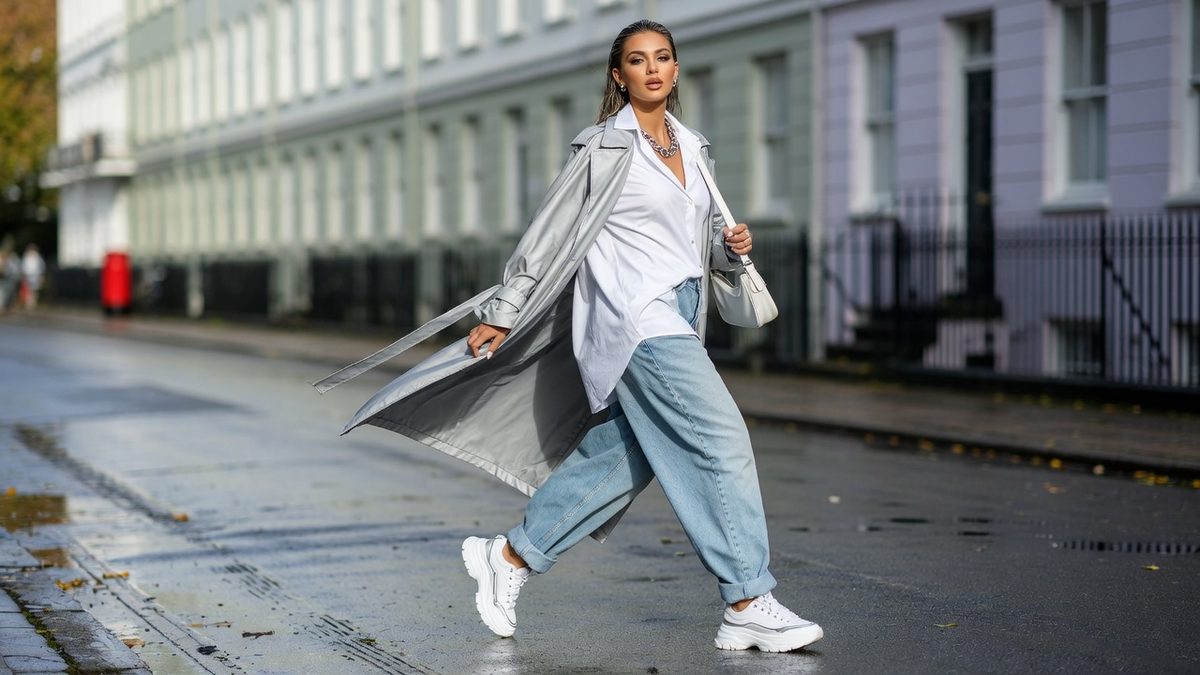
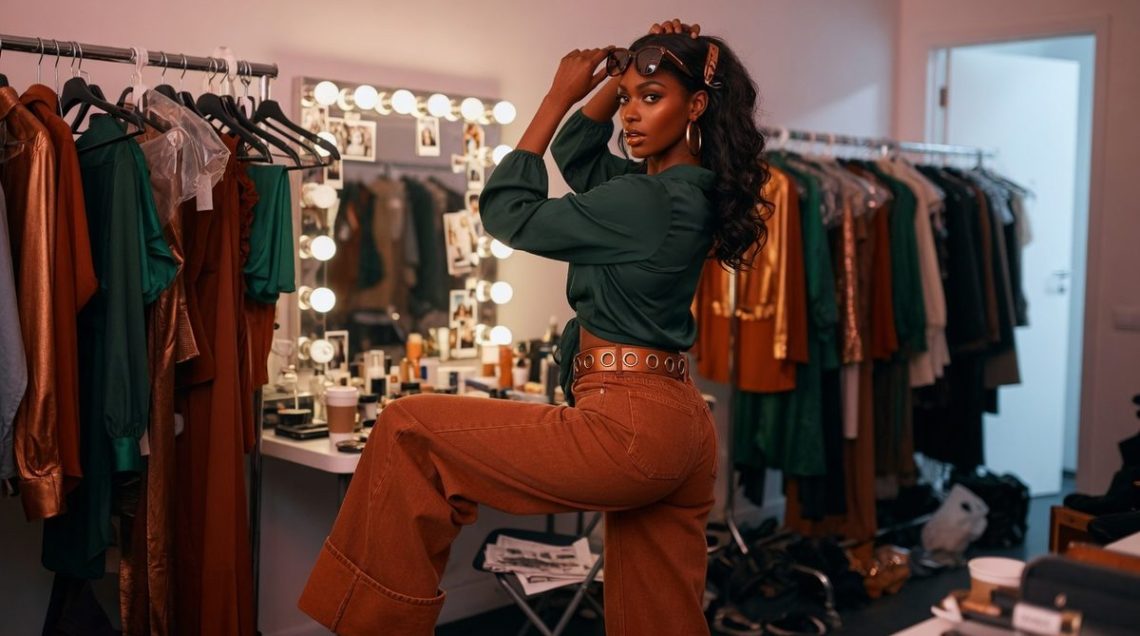
The barrel leg is the shape doing the most talking. Rounded through the thigh and tapered slightly at the ankle, it owes nothing to the hourglass logic of skinny jeans or the elongating trick of a bootcut. It exists to create volume, not to disguise it, and that alone makes it the most quietly radical cut on the rail.
Bootcut, meanwhile, has re-entered without the Y2K baggage some expected. This season’s versions are cleaner through the hip and less low-rise than their early-2000s ancestors, worn with the same low-key confidence as a good blazer. Straight-leg denim, unfashionable for what felt like a decade, has become the quiet control group: no dramatic flare, no exaggerated taper, just a leg that falls the way it falls.
Wide-leg and slightly cropped cuts round out the picture, often in rigid, darker washes that hold their own shape rather than moulding to the body underneath. Across all four, the throughline is a refusal to negotiate with the wearer’s silhouette, which is precisely what makes them feel new.
From Britpop straights to TikTok barrels: a cultural map
None of this is happening in a vacuum. The straight-leg revival draws directly on the Britpop wardrobe of the mid-90s, when Oasis and Blur made a plain, unfussy jean a statement of anti-glamour rather than a fashion afterthought. That era’s denim wasn’t styled to flatter; it was styled to signal that you weren’t trying, which is its own kind of power dressing.
The barrel leg, by contrast, is a genuinely internet-native shape. It surfaced through TikTok’s Y2K and indie sleaze revival cycles before filtering into mainstream ready-to-wear, part of a broader shift the platform has accelerated: micro-trends that used to take a full fashion cycle to reach the high street now arrive in a matter of months. What’s notable is how quickly “unflattering” stopped being an insult and became a badge of authenticity, echoing the same logic that turned low-fi grunge into aspirational dressing in the early 90s.
There’s a quiet rejection of Quiet Luxury’s controlled minimalism buried in here too. Where that movement was about disciplined, body-conscious tailoring, the new denim shapes are looser, odder, more willing to let fabric do what fabric wants. It’s less about looking rich and more about looking like you have somewhere better to be than in front of a mirror negotiating your reflection.
How to style each cut without dressing for approval
Barrel jeans want proportion, not correction. Balance the volume through the leg with something fitted on top, a cropped cardigan or a slim polo, and let the shoe do the grounding: a pointed flat or a low boot keeps the silhouette from swallowing you whole.
Bootcut rewards restraint elsewhere. Keep the top half simple and let the leg line do the work, a fitted tee or a plain shirt tucked in avoids the outfit tipping into full 2004 pastiche. Straight-leg denim is the most forgiving of the four; it pairs equally well with an oversized knit or a tailored jacket, because its whole appeal is neutrality.
Wide-leg and cropped styles ask for a slightly raised waistline and a heel or a chunky trainer to stop the proportions reading as shapeless. None of these rules are about hiding anything. They’re about letting a shape exist on its own terms, which is, in the end, the entire point of where denim has quietly ended up. What happens when that logic reaches everything else in the wardrobe is the next question worth asking.