Dua Lipa has quietly become the only celebrity style reference that UK search traffic can’t stop asking about, and the reason has nothing to do with a red carpet stunt or a single viral outfit. Searches for “Dua Lipa style moment” have been climbing steadily through August, which is unusual for a singer whose fashion coverage usually spikes around an award show and then evaporates. This time the interest is sustained, and that alone tells us something the fashion press keeps missing.
We think the explanation is simple and slightly uncomfortable for anyone who has spent 2026 insisting that “personal style” is dead in the algorithm era: Dua Lipa has built an actual, repeatable system, and it works precisely because it isn’t trying to be a moment. It’s a method. That’s the thesis we’re prepared to defend here, objections included.
The Dua Lipa layering formula nobody wants to admit works
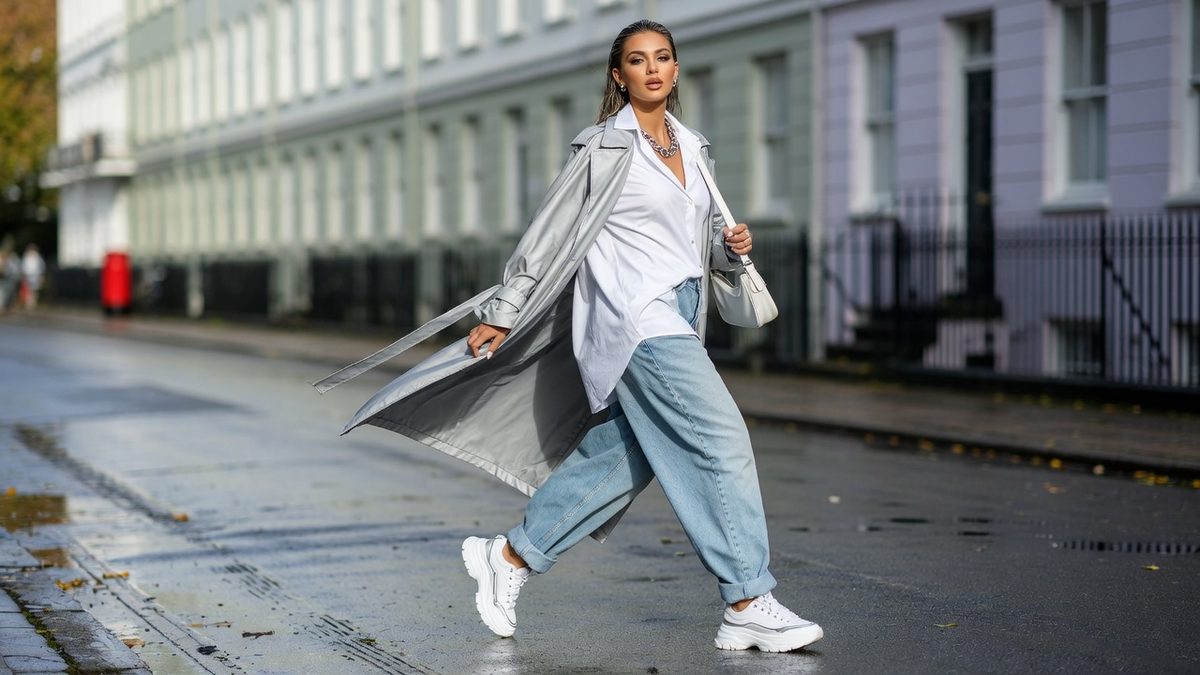
Look across Dua Lipa’s reported outfits from the past few months and a pattern emerges that is far too consistent to be accidental: a cropped or micro-length bottom, an oversized outer layer thrown on top, and a chunky boot anchoring the whole thing. It shows up in a Miu Miu skirt paired with an oversized navy shirt, in a Chloé romper worn under a boxy track jacket, and again in a leather-lace-denim mix that should not have worked on paper. The proportions repeat so precisely they read like a formula, not a coincidence.
Critics of celebrity “style icon” coverage love to argue that this kind of consistency is just a stylist’s spreadsheet dressed up as personality, and normally we’d agree. But stylist Lorenzo Posocco isn’t repeating a trick, he’s building a vocabulary, and the shift is traceable: the high-gloss, algorithm-friendly Dua Lipa of a few years ago has given way to someone dressing in a more eclectic, archive-literate register, borrowing proportion ideas as readily as she borrows house codes. A formula a stylist can defend across a whole wardrobe, not just one outfit, stops being a gimmick and starts being a genuine point of view. That’s the distinction most “style moment” coverage refuses to make.
Chemena Kamali’s Chloé is not a coincidence, it’s an alliance
One Chloé piece on a press tour could be a loan. Four is a relationship. Across this year alone Dua Lipa has been seen in a cobalt ruched Chloé dress, a lace-trim Chloé romper, a pair of Chloé bloomers, and a Chloé belt used to cinch entirely different outfits together. That density of repeat-house dressing only happens when a stylist and a creative director are actively talking to each other, not when a press office is simply saying yes to loan requests.
The cobalt dress matters beyond Chloé, too. Marie Claire US reported that a fashion historian reads cobalt’s return through a bohemian lens, tying it directly to the reinterpretation Chemena Kamali has brought to the house. Set that cobalt Chloé dress against Dua Lipa’s custom Gucci appearance this year, and against the runway confirmation of cobalt across Chanel, Bottega and Givenchy for Fall 2026, and a different story appears. She isn’t wearing the cobalt trend because it’s everywhere; the trend is everywhere partly because designers know she’ll wear it well. That’s a leadership position, not a follower one, and it’s worth saying plainly.
How to steal the dual-register trick without the stylist
The real skill isn’t any single outfit, it’s Dua Lipa’s willingness to run two completely different registers without either one undercutting the other. On the red carpet, she leans into house codes hard: Schiaparelli surrealism, Chanel tailoring, even a bridal hat moment that borrowed straight from wedding dressing rather than eveningwear. Off-duty, at Sunny Hill festival in Kosovo, the whole thing drops into a relaxed, sportif pre-fall register, micro-skirts, Jacquemus x Nike energy, and pieces from Palace London and The Row doing the heavy lifting instead of a fitting appointment.
You don’t need a stylist to copy the logic, only the discipline to keep the two registers separate instead of blending them into one another. For the loud register, commit fully to one house idea per outfit rather than mixing three; for the relaxed one, let a single directional piece, an Isabel Marant Etoile skirt, a With Jéan denim piece, a Réalisation Par slip, do the talking against plain layers. Jewellery is where the two registers can actually meet: an Alexis Bittar cuff or an Eera ring reads equally well dressed up or down, and a Chrome Hearts or Bvlgari piece can anchor either mode without looking like an afterthought. Retailers are already reporting rising demand for exactly this kind of transitional, register-flexible piece, which suggests we’re not the only ones who’ve clocked the pattern. Whether the rest of the UK catches up before autumn dressing locks in is another matter entirely.
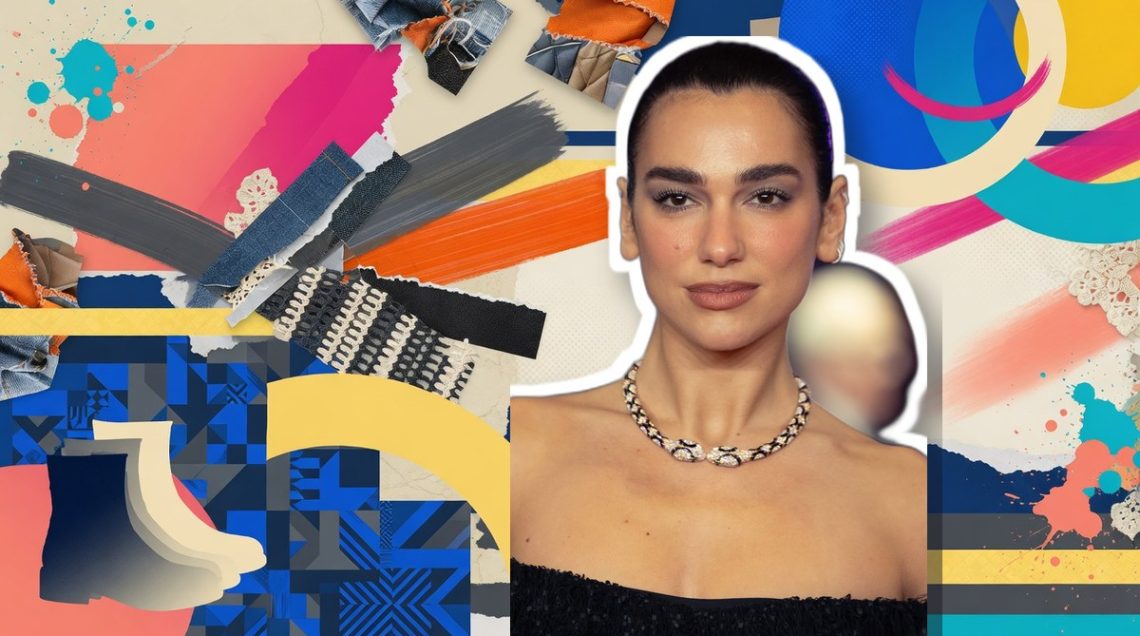
Photo: Harald Krichel, CC BY-SA 4.0, via Wikimedia Commons, modified: subject cutout on an editorial collage background; montage licensed under CC BY-SA 4.0.