
While London slept, Victoria Beckham was orchestrating something far more calculated than a celebrity ribbon-cutting in South Florida. The designer landed in Miami last night to launch her brand’s first US pop-up at Bal Harbour Shops, a 90-day retail experiment that reads less like a victory lap and more like a deliberate stress-test of American luxury appetite. Search interest for ‘victoria beckham brings the’ has spiked across the UK as the brand’s Mayfair aesthetic, dark greens, residential intimacy, that unmistakable monochrome severity, touches down in a market that’s both personally significant and commercially ruthless.
This isn’t just about proximity to David Beckham’s Inter Miami CF or the family’s Miami Beach lifestyle, though those threads matter. It’s about what CEO David Belhassen and chairman Ralph Toledano have been building since the Netflix docuseries triggered a beauty search surge last year: a brand that can export British luxury without the traditional white-box playbook, using leather goods and localised colour as strategic anchors. The Bal Harbour move, timed alongside a democratising Gap collaboration, signals a house learning to speak two dialects of desire at once.
So what exactly is Victoria Beckham doing in Miami?
Victoria Beckham is testing whether her London design language, the one honed in the Dover Street flagship and expressed through architectural restraint, can translate to a clientele that expects warmth, texture, and a different relationship to colour. The Bal Harbour pop-up, open through mid-November, carries the full fashion and beauty assortment but introduces a bronze-toned exclusive capsule that marks a deliberate departure from the house’s signature monochrome palette. This isn’t aesthetic drift; it’s localisation strategy, calibrated for a Latin American customer base that dominates Bal Harbour’s luxury spend.
The store itself mirrors the Mayfair flagship’s residential interiors, dark greens, wood, an almost domestic sense of scale, but the product edit reveals the real agenda. The Sloane bag, now responsible for 13 per cent of fashion revenue and targeted to hit 30-35 per cent within three years according to WWD, commands prominent placement. Leather goods, not ready-to-wear, are being positioned as the brand’s next identity anchor, a shift that makes the Miami assortment less about dresses and more about accessories that travel, photograph, and repeat-purchase.
The beauty division, launched in 2019 and buoyed by post-Netflix search spikes tracked by Fresha and Google Trends data, gets equal floor space. The Satin Kajal Liner, a hero product that’s become shorthand for the ‘clean luxury’ makeup category, sits alongside skincare in an edit designed to capture impulse buyers who might not yet commit to four-figure fashion. Launch night drew Marc Anthony, Nadia Ferreira, Antonela Roccuzzo, Karolina Kurkova, and Ronaldo Nazário, a guest list that underscores Miami’s cultural pull beyond the UK diaspora.
Why Bal Harbour, and why now?
Bal Harbour Shops isn’t just another luxury mall; it’s a per-square-foot sales heavyweight with a client roster that skews Latin American, seasonally European, and reliably high-spending. For a British brand still navigating US expansion post-Saks Global bankruptcy fallout, it’s a de-risked beachhead: a 90-day pop-up allows Victoria Beckham to test American appetite without the capital exposure of a permanent lease. Belhassen told WWD the brand is eyeing standalone doors in New York and Paris, but Bal Harbour functions as a controlled experiment, merchant feedback, SKU performance, customer demographics, before those bigger bets.
The timing aligns with the Gap collaboration’s rollout, a simultaneous play that positions Victoria Beckham at two price points within the same market cycle. Where Gap offers accessible knitwear and trousers to a North American audience primed by Netflix visibility, Bal Harbour captures the aspirational convert: the customer who binged the docuseries, bought the Gap sweater, and is now ready to trade up to the main line. It’s a pincer strategy, and Miami, where the Beckham family’s lifestyle intersects with a retail environment known for converting tourist spend into brand loyalty, provides the ideal testing ground.
Comparisons to Toteme, another British-adjacent brand with a Bal Harbour presence, are instructive. Both houses lean into residential retail design and a ‘less is more’ luxury vocabulary, but Victoria Beckham is layering in product breadth, beauty, leather goods, occasionwear, that Toteme’s minimalist edit doesn’t attempt. The pop-up’s interior, described in trade coverage as echoing the London flagship’s dark-green domesticity, signals that ‘home-feel retail’ is emerging as a British luxury export strategy distinct from the clinical white-box environments still dominant among French and Italian houses. It’s a wager that intimacy, not sterility, converts in 2026.
How should you actually shop the Bal Harbour pop-up?
If you’re planning a visit before the mid-November close, treat the bronze capsule as the litmus test for where the brand’s colour strategy is heading. These warm metallics, exclusive to Bal Harbour, aren’t one-offs; they’re market research disguised as product. Buy a piece if it speaks to you, but know you’re casting a vote for whether Victoria Beckham expands beyond monochrome in future permanent collections. The Sloane bag, meanwhile, is the safest investment: leather goods are the revenue driver the brand is prioritising, and this silhouette is being positioned as the house’s answer to the Toteme T-Lock or the Khaite Lotus.
On the beauty side, the Satin Kajal Liner and the skincare range represent the brand’s most accessible entry point, and the one with the highest repeat-purchase potential. If you’re new to the house or uncertain about committing to ready-to-wear, this is where to start. The pop-up’s beauty edit is a near-complete representation of the line, so you’re not shopping a curated taster; you’re getting the full offer, which matters for shade-matching and product education.
For UK readers watching from afar, the Bal Harbour edit will likely inform what arrives in London stockists by spring 2027. The bronze palette, the leather goods hierarchy, even the fixture design, all of it is being stress-tested in Miami before scaling. If you’re not Miami-bound, track which pieces the brand elevates on its own channels post-pop-up; that’s your signal for what performed, what’s permanent, and what’s worth waiting for when it lands closer to home. The question isn’t just whether Victoria Beckham can succeed in America, it’s whether the house has cracked a retail model that other British brands will now chase.
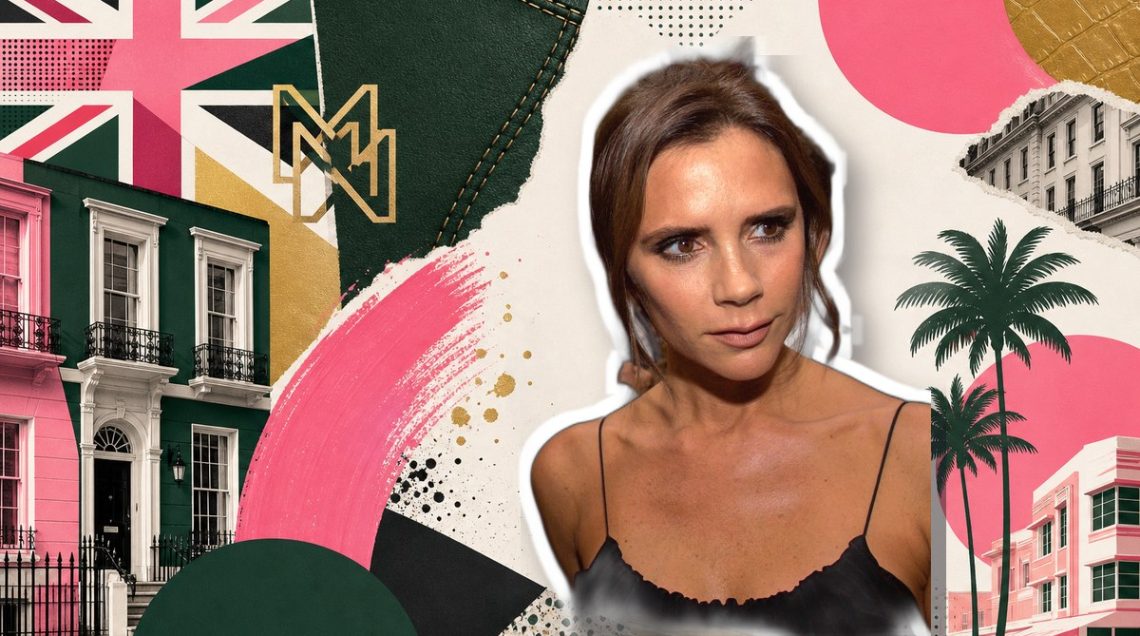
Photo: U.S. Department of State from United States, Public domain, via Wikimedia Commons — modified: subject cutout on an editorial collage background.