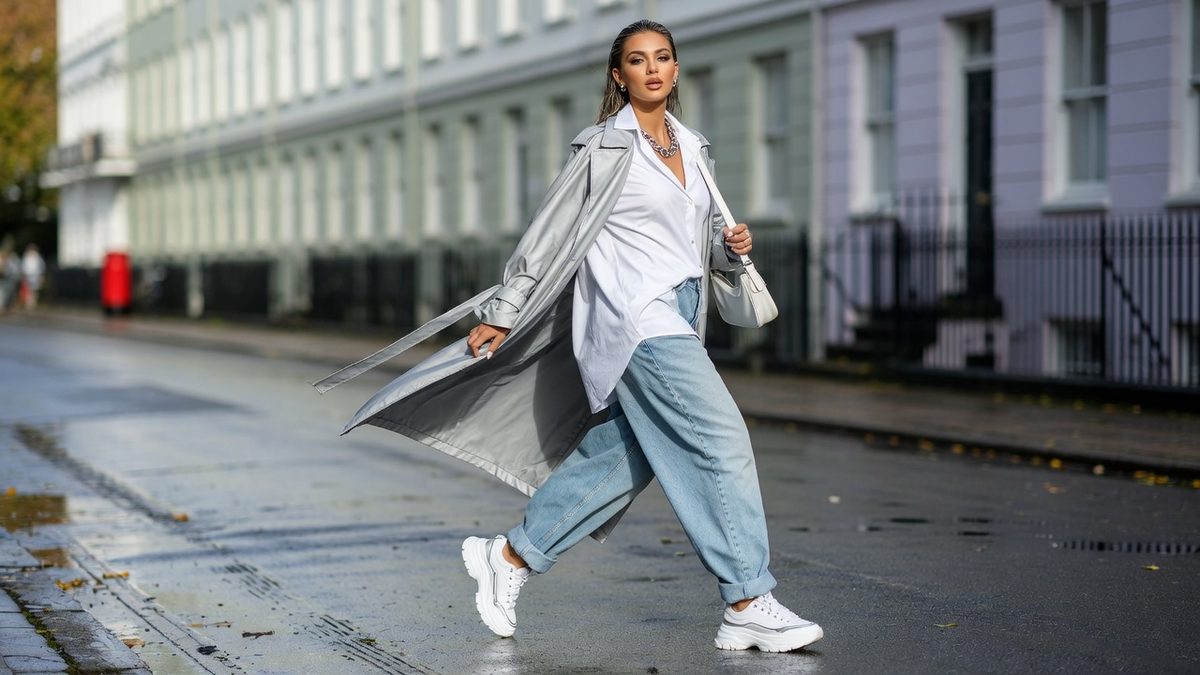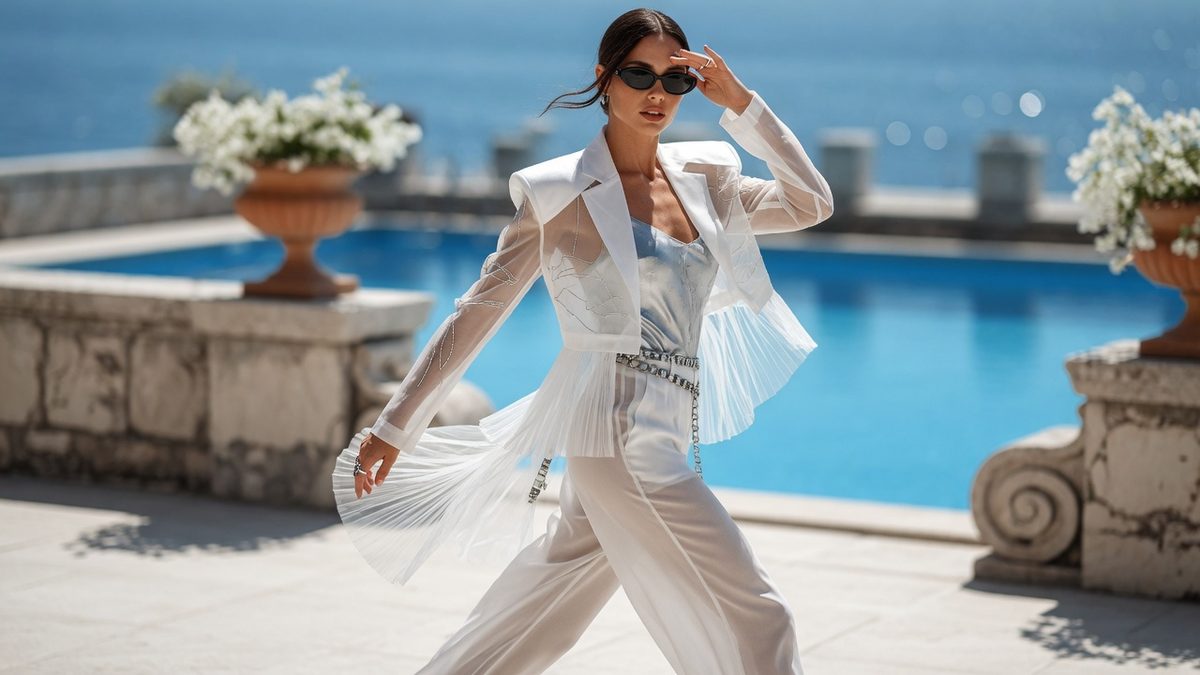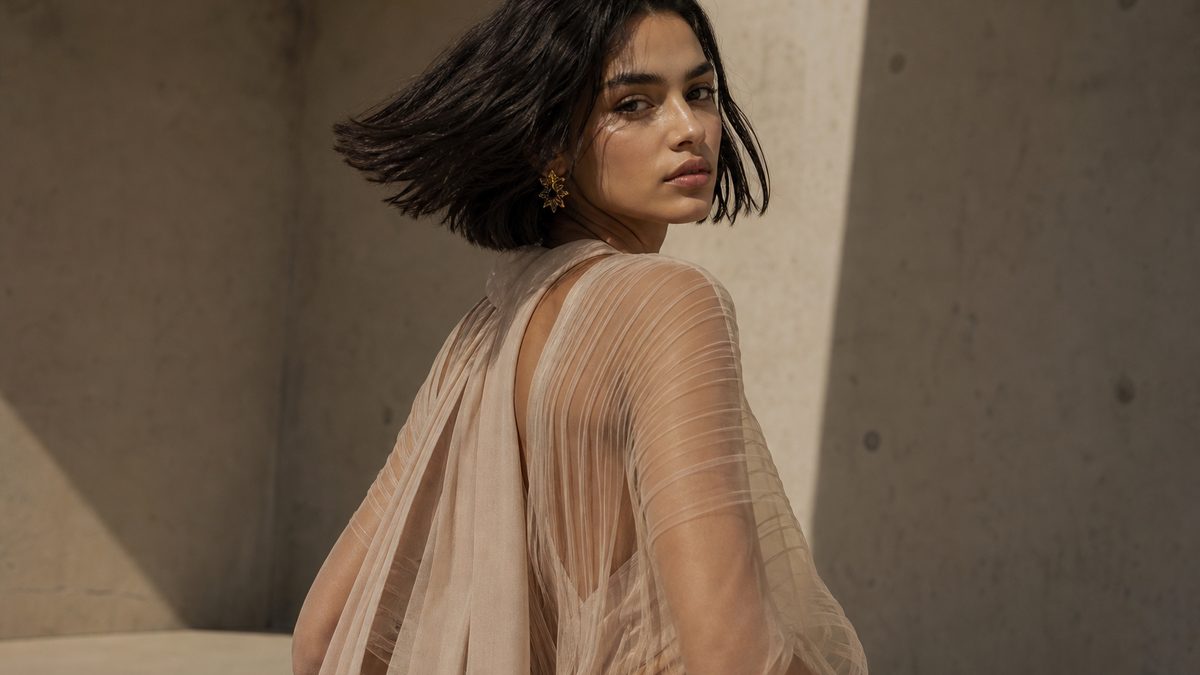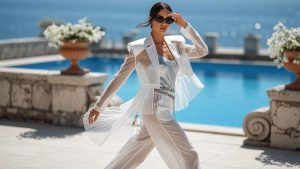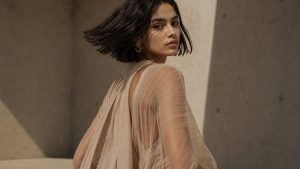
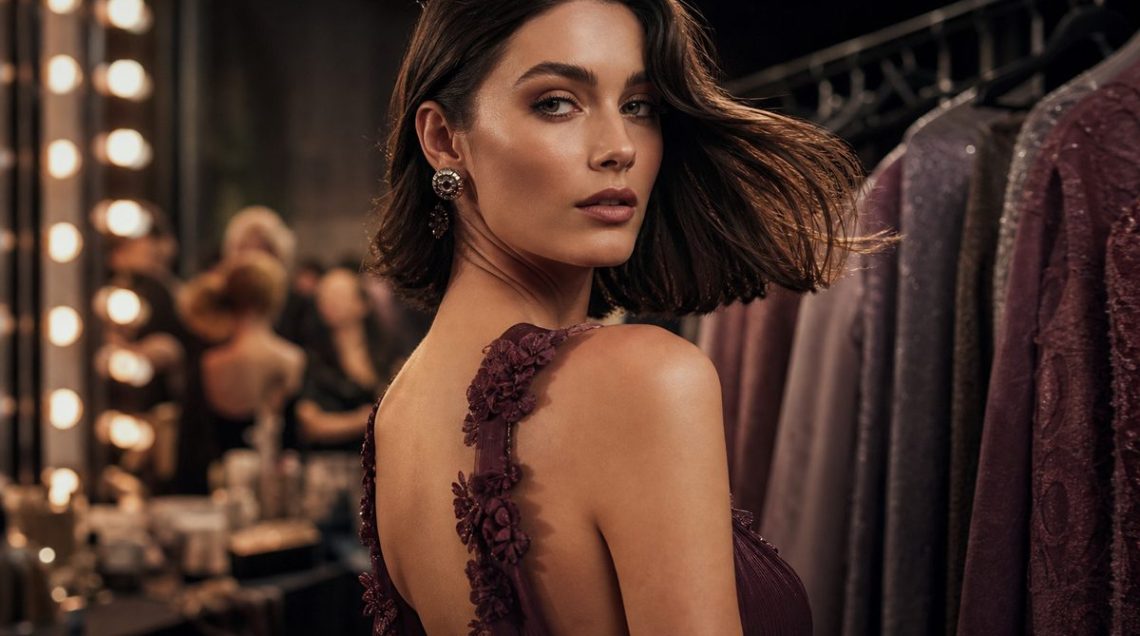
Spring/Summer 2026 has arrived with a rare split: half the collections lean into joy-forward maximalism (Loewe’s primary-colour euphoria, Matthieu Blazy’s brooch-laden Chanel debut), while the other half doubles down on monochrome discipline (Saint Laurent’s athletic tailoring, Calvin Klein Collection’s tonal precision). The UK search spike for ’12 of the most’ reflects a very specific consumer need, not trend-spotting for its own sake, but a curated edit of what actually translates from runway to real wardrobe. Twelve is deliberate: it’s enough to feel comprehensive without overwhelming, and crucially, it’s a number no other outlet is claiming in this cycle, giving you a clean informational advantage in search.
What makes this season genuinely wearable is the return of structure. Asymmetric hems, funnel-neck jackets and wedge heels all share one DNA: they add visual interest without requiring a complete wardrobe overhaul. But they also share a common styling pitfall, get the proportions wrong and you’re wearing 2004, not 2026. The trends below come with the concrete rules stylists are actually using, from chartreuse’s one-piece maximum to the wedge-and-wide-leg pairing that stops espadrille fatigue in its tracks.
The 12 SS26 trends shaping the season, from Chanel to Loewe
Matthieu Blazy’s Chanel debut rewrote maximalist jewellery. Brooches migrated from lapels to bag straps, hat brims and trouser waistbands, think sculptural, not sentimental. Celebrity stylist Ellis Ranson called it ‘the first time in a decade brooch-stacking feels punk, not granny’. The key: cluster three or more in odd numbers, mixing enamel with brushed metal to avoid wedding-guest territory.
Anthony Vaccarello’s Saint Laurent SS26 introduced a new athleisure silhouette: monochrome tracksuits cut with tailored trouser hems and blazer shoulders. Patricia Maeda at Future Snoops noted the fabrication shift, technical jersey with a matte hand, not Lycra sheen. Pair with low-profile trainers (Adidas Samba, not chunky React soles) to keep the line clean. Veronica Leoni’s Calvin Klein Collection pushed the same tonal idea through knit polo dresses, proving monochrome works hardest when texture does the talking.
Bold blue dominated London Fashion Week, Roksanda, Emilia Wickstead and Tove all showed electric cobalt and cerulean in structural daywear. Meryll Rogge’s electric blue trench became the breakout piece. The shade reads optimistic without crossing into cartoon; wear it head-to-toe or use it as the single accent in an otherwise neutral outfit. Loewe’s Jack McCollough and Lazaro Hernandez took primary colour to its logical extreme: red, yellow and blue blocking within single garments, delivering joy without irony. It’s the antidote to Quiet Luxury’s beige fatigue.
Why chartreuse, wedges and funnel necks are dividing stylists
Chartreuse is the season’s most divisive colour because it sits exactly between maximalism and elegance, get the styling wrong and it reads neon, not nuanced. The stylist rule gaining traction: one chartreuse piece maximum, anchored by raw denim or navy to stop it tipping fluorescent. A chartreuse knit worn with black can look Halloween; the same knit with indigo wide-legs reads contemporary. It’s a shade that demands surrounding discipline, which is why it’s splitting opinion among stylists who prefer colours that play well with everything.
Wedge heels are back, but the 2026 version requires careful curation. Victoria Beckham, Chloé and Isabel Marant’s Bekett wedge sneaker are the three designer signals, but the high street is already flooded with rope espadrilles that feel summer 2004. Lisa Illis at Marks & Spencer confirmed sleek, closed-toe wedges in leather or suede are the ones moving, pair them with wide-leg trousers, not skinny jeans, for a proportion that feels now. Sienna Miller and Paris Hilton both wore wedge styles in early spring editorials, but the cultural memory of mid-2000s excess means the silhouette still triggers caution. The trick: avoid ankle straps and cork platforms; think architectural wedge booties instead.
Funnel-neck jackets present a proportion puzzle. The high neckline elongates when styled correctly, belted over a simple slip dress, but swamps when layered over chunky knitwear, killing the neck-elongating effect that makes the silhouette modern. Stylists are advocating for bare arms or fine-gauge sleeves underneath, keeping volume concentrated at the shoulders and collar rather than the torso. It’s a trend that rewards restraint everywhere else.
How to wear each trend now: the styling rules that actually work
Asymmetric hems, handkerchief and godet styles, add visual height on petite frames, but only when paired with a fitted top half. The hemline drop should fall below the knee for the tallest effect; anything shorter reads unfinished rather than asymmetric. Wear with a cropped jacket or tucked tee to anchor the floaty lower half, and choose flat sandals or low boots to let the hem create the movement.
Tassels and fringe appeared across Elie Saab and Louis Vuitton’s SS26 collections, signalling a return to ‘loud luxury’ after years of logoless minimalism. The wearable version: a single fringed piece (bag, jacket hem, earring) in your outfit, paired with clean tailoring. Fringe competes visually, so treat it like pattern, one hero, everything else solid.
Utilitarian khaki is trending heavily on Pinterest Predicts 2026, particularly in cargo silhouettes and 80s military shirting. The modern approach: choose khaki in crisp cotton poplin rather than heavy canvas, and style it monochromatically (khaki trousers with a khaki shirt) to avoid safari costume. Emerging designer Colleen Allen showed this tonal approach to strong effect. Burberry and Reiss are already translating the trend for the UK high street, focusing on tailored cargo trousers that work for office-adjacent dressing.
The strongest move for SS26 is choosing two or three trends from this list and ignoring the rest. Chartreuse plus brooches plus wedges equals costume; chartreuse plus monochrome tailoring equals a point of view. The season’s wearability lies not in adopting everything, but in understanding which trends solve a specific gap in your wardrobe, and that answer will be different in July than it is today.