
The phrase landed quietly on TikTok, not as a tutorial, not as a trend forecast, but as a declaration: ‘I wear slick backs.’ No qualifier. No apology. Within weeks, it had mutated from hairstyle preference into something sharper: a self-selected badge for a woman who wants her aesthetic to do the talking. The slick-back isn’t just pulled-back hair anymore; it’s the visual shorthand for minimalist intention, the kind of quiet power Sofia Richie Grainge telegraphs without opening her mouth. Across the UK, the phrase is indexing vertically, women aren’t searching ‘how to style a slick bun’; they’re claiming the identity wholesale.
What separates this from every previous low-bun moment is the semiotics. To say ‘I wear slick backs’ is to opt into an entire aesthetic system: clean silhouettes, architectural accessories, restrained colour palettes. It’s the fashion equivalent of ‘I wear red lipstick’, except the commitment is visible from across a room, and it broadcasts editorial rigor rather than retro femininity. Bella Hadid and Hailey Bieber have worn variations for months, but the phrase itself, the linguistic framing, that’s pure Gen Z taxonomising, turning a styling choice into a lifestyle flag.
Why ‘I wear slick backs’ became fashion’s new identity password
The origin point is traceable: TikTok creator @maisieisobel_ coined ‘boots and a slick back bun’ as her winter uniform, pairing the look with oversized tailoring and minimal jewellery. The format was less trend-chasing, more self-documentation, and it resonated precisely because it wasn’t aspirational. It was repeatable. Within days, the hashtag had spawned hundreds of iterations, each captioned with the same declarative syntax: ‘I wear slick backs.’ The phrasing mattered. It wasn’t ‘trying the slick-back trend’ or ‘slick-back inspo’; it was identity-first, aesthetic-second.
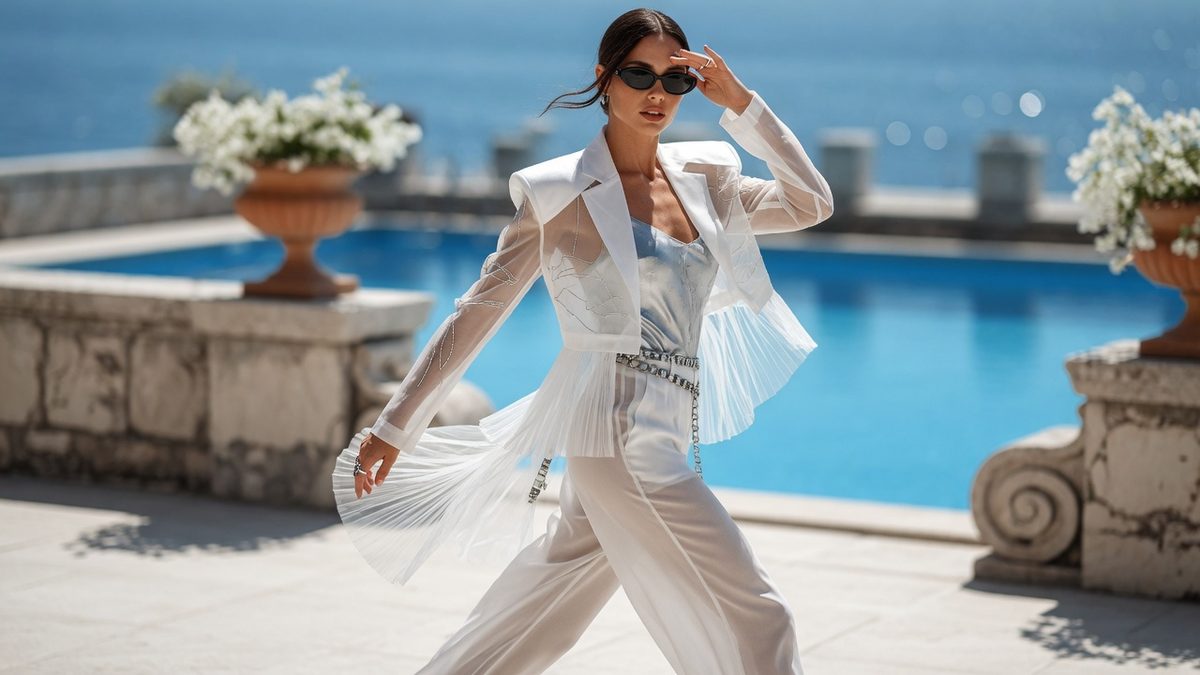
On the runway, the timing was forensic. Daniel Roseberry sent models down the Schiaparelli Fall 2025 Couture runway with oil-slick centre parts and razor-sharp buns, the hair so tight it read as sculptural rather than styled. Loewe SS26, Alaïa SS26, Prada SS26, all doubled down on severe, face-framing-free hair that let the garment architecture breathe. Courrèges SS26 paired slick ponytails with vinyl trenches; Victoria Beckham SS26 kept every model’s hairline mirror-smooth. The message from the shows was unambiguous: hair is no longer ornament. It’s negative space.
What’s driving adoption in the UK specifically is class-agnostic accessibility. You don’t need salon blowouts or hot tools. A boar bristle brush, Eco Styler Gel (the cult product name-checked across every tutorial), and two minutes buys you the same visual authority Hailey Bieber projects courtside. Stylist Chris Appleton has called it ‘the great equaliser’, a look that works on fine hair, thick hair, curly hair brushed flat, because the aesthetic isn’t about texture. It’s about control. And in a post-Quiet Luxury landscape where visible effort reads try-hard, the slick-back is the ultimate low-lift, high-impact power move.
The neckline rule, the earring equation and the ‘egg head’ fix stylists actually use
Here’s what no competitor will tell you: the slick-back is a neckline game. When hair is pulled completely off the face and neck, high necklines, turtlenecks, polo necks, crew necks, compress the visual frame. The head reads disconnected, floating. The real payoff comes with open necklines: sharp lapels, off-shoulder knits, deep V-necks, anything that creates negative space around the collarbone. Stylists working backstage at Fendi SS26 and Christopher John Rogers paired every slick bun with either a plunging neckline or exaggerated shoulder, never both covered. The rule is geometric: if the hair is severe, the neckline must breathe.
Then there’s the earring equation. With hair off the face entirely, earrings become the primary facial accessory, and the wrong choice kills the whole edit. Delicate studs disappear; oversized chandeliers fight the minimalist ethos. What works: architectural hoops (medium-to-large diameter, sculptural metal), single-side ear cuffs for asymmetry, or one statement drop earring on the side where the bun sits lowest. Hunter Schafer has been photographed in variations of this formula for months, always pairing her slick-backs with chunky gold hoops or industrial-looking cuffs. The logic is textural contrast: if the hair is flat and controlled, the jewellery needs dimension.
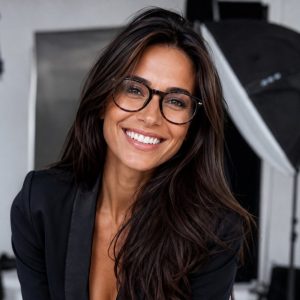
The ‘egg head’ anxiety, TikTok’s term for when a slick-back makes your skull shape too visible, is real, and the amateur fix (leaving face-framing tendrils) defeats the entire minimalist premise. The professional fix is clothing-based face-framing: wide coat lapels, oversized shirt collars worn popped, statement scarves draped asymmetrically, or bold eyewear. Tory Burch’s recent campaign featured models in slick buns paired exclusively with oversized blazers, the shoulder and lapel width compensating for the hair’s severity. UK brands like UKHAIR and UKLASH are quietly positioning lash extensions and brow lamination as the ‘frame’ when hair can’t do the job, a product-angle shift that’s gaining traction among London stylists.
How to wear a slick back in the UK: the outfit matrix that works
The formula isn’t one-size. It’s contextual. For the quiet luxury commuter: slick-back bun + oversized Scandi wool coat (think Toteme proportions) + tailored trousers + leather loafers. The hair reads polished, the coat does the talking, and the overall effect is effortless editorial without trying. This is the Sofia Richie Grainge blueprint, and it works because every piece is investment-level but understated. Swap the coat for a puffer and the code breaks, the slick-back needs structure elsewhere in the outfit to maintain tension.
For off-duty weekends: slick-back low bun + satin bias-cut midi skirt + chunky knit jumper + ballet flats or minimal trainers. The knitwear is critical here, it’s the texture contrast that makes the look feel intentional rather than lazy. Bella Hadid has worn versions of this in paparazzi shots for months, always pairing her slick hair with something oversized and tactile on top. The skirt keeps it feminine; the knit keeps it approachable. Remove either and the outfit loses its push-pull.
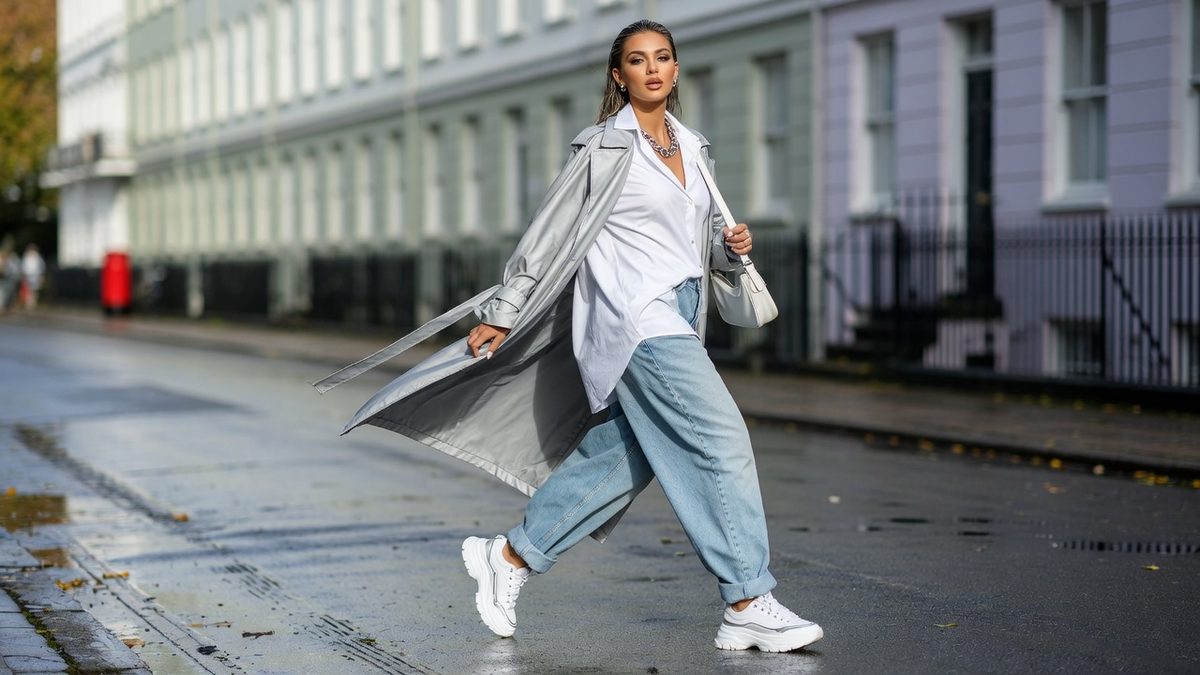
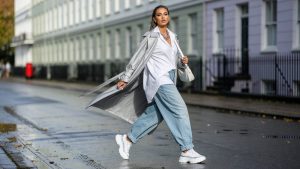
The sleeper combination UK stylists are pushing hardest: slick-back ponytail + chunky ribbed rollneck + wide-leg denim + architectural bag. It sounds like it shouldn’t work, the high neck theoretically competes with the severe hair, but the volume in the denim and the statement bag create enough visual weight below the chin that the proportions balance. This is the look dominating London street style right now, especially among women who want the ‘I wear slick backs’ signalling without full minimalist commitment. The key is keeping accessories bold and proportions oversized; if you go slim-fit everywhere, the egg-head effect returns with a vengeance.
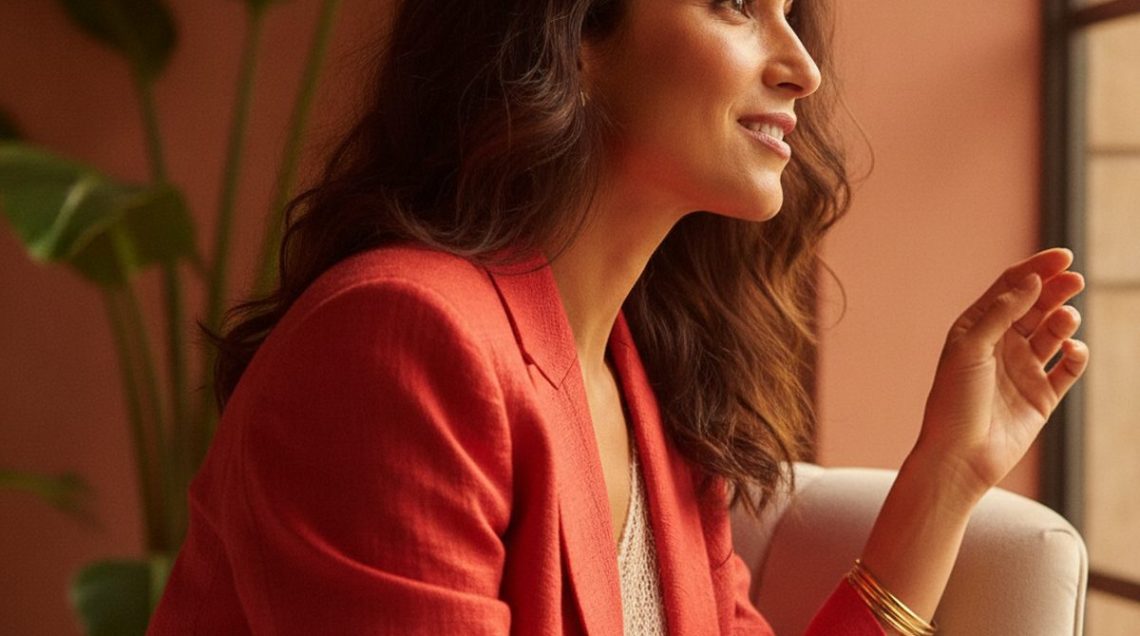
And if you’re still experimenting, here’s the tell: photograph yourself from the side. If the outfit works in profile, neckline visible, earring catching light, silhouette clean, the slick-back is doing its job. If your head looks like a full stop at the end of a sentence, adjust the neckline or the jewellery, never the hair.