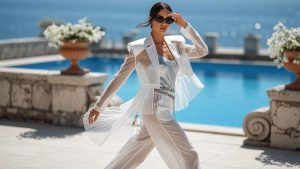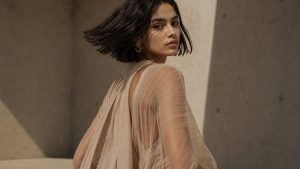
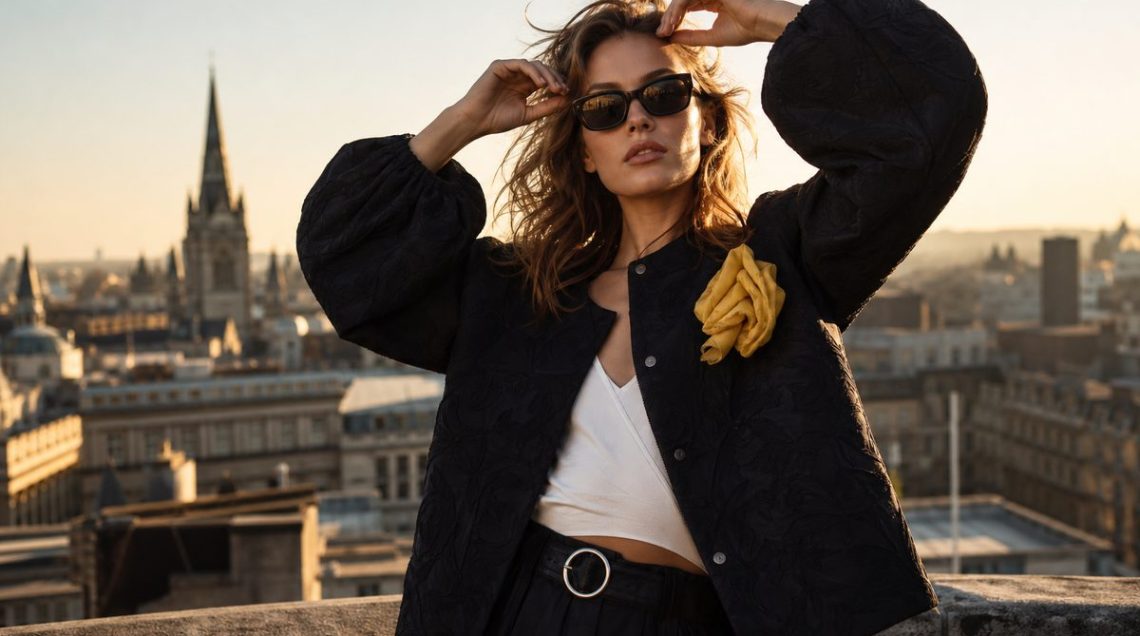
Copenhagen Fashion Week has just wrapped, and five trends are already rippling through UK search bars at breakneck speed. From turquoise that refuses to behave like a throwback shade to balloon pants that demand a very specific silhouette rule, the Danish capital has delivered a spring blueprint that feels equal parts wearable and wildly optimistic. But here’s the thing: not every runway idea survives the leap from Scandi bike lanes to British drizzle.
The acid test? We’re calling it the Copenhagen test, can you cycle to work in it without looking like you’re heading to a costume party? It’s a practical filter that separates genuinely wearable trends from the ones that’ll languish at the back of your wardrobe. And right now, five distinct codes are passing that test with flying colours, from earthy allotment-core to sheer florals that actually make sense in a climate where layering is non-negotiable.
So what exactly are the five Copenhagen trends coming for spring?
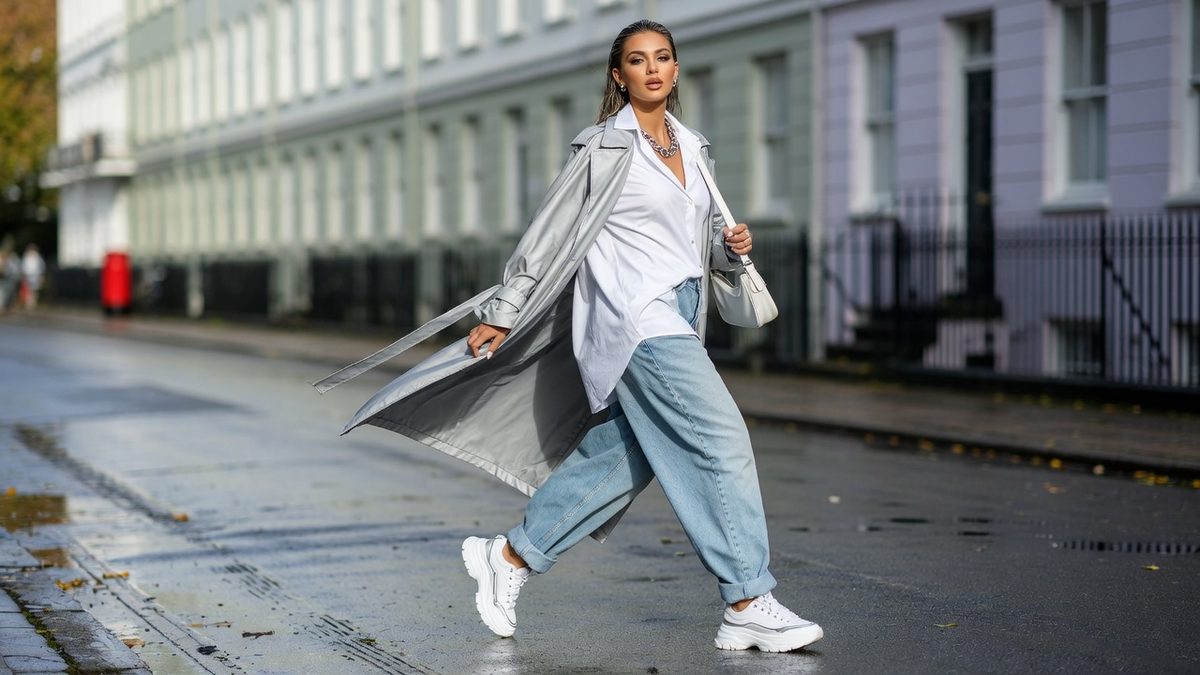
First up: turquoise as the new neutral. Baum und Pferdgarten, Gestuz, and Opéra Sport all sent variations of cool-toned aqua down the runway, often paired with butter cream or soft taupe. It’s not a nostalgia play for the noughties, it’s the logical next step in the cool-toned evolution that started with butter yellow last season. Second: balloon pants with a fitted top rule. Munthe and Almada Label showed voluminous trousers styled exclusively with tucked-in, body-skimming knits and shirts. The proportion fix is non-negotiable, oversized on top creates fancy dress, not fashion.
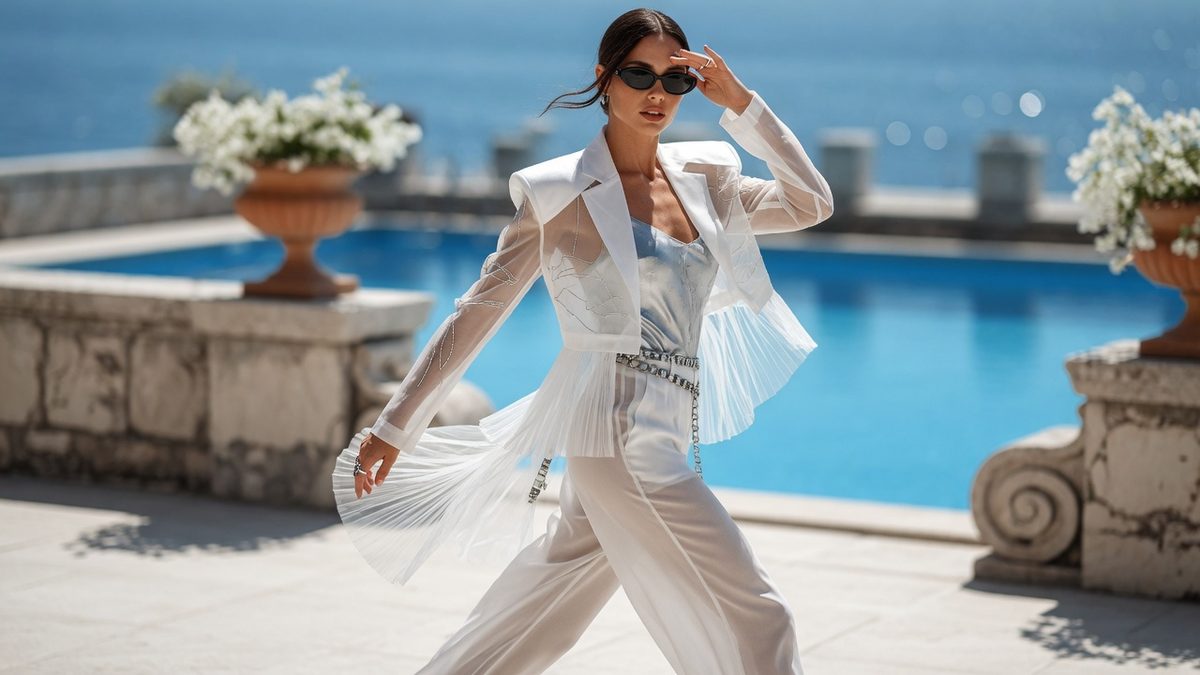
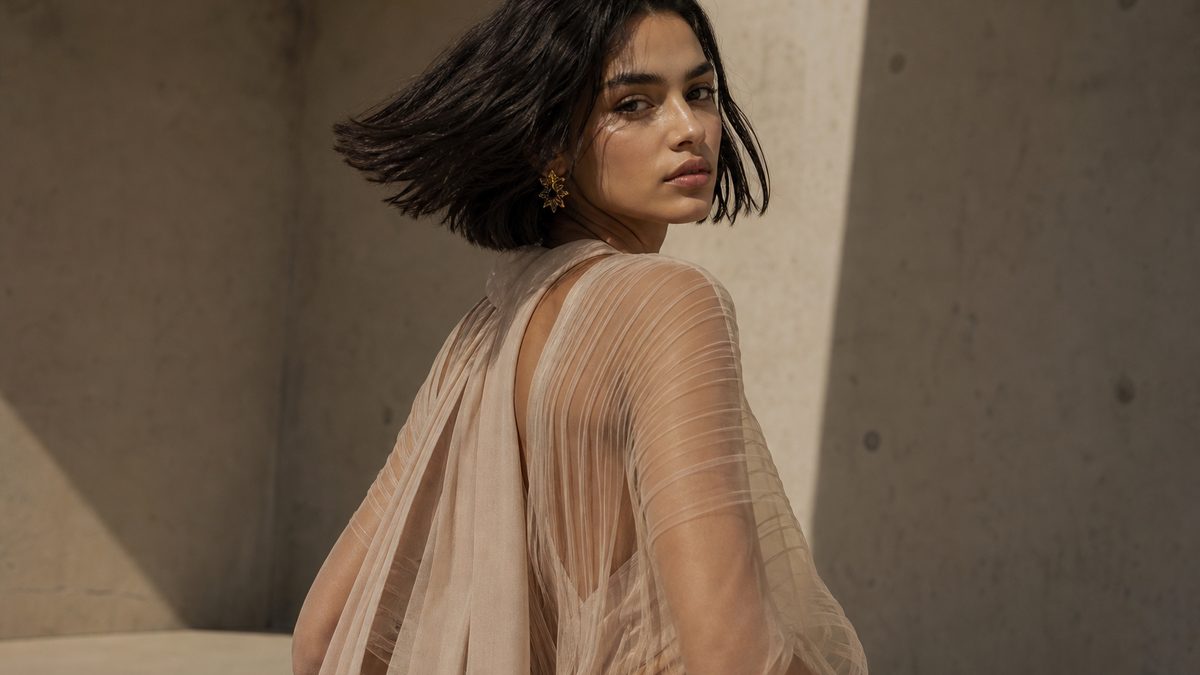
Third: sheer florals over something solid. Anne Sofie Madsen and Gestuz layered organza and lace florals over opaque slips, tailored trousers, and even denim. In UK temperatures, this isn’t optional styling, it’s survival. Fourth: allotment-core, properly defined. Think earthy linens, basketware accessories, utility pockets, and muddy-toned florals across Institution (Galib Gassanoff), Stine Goya, and By Malene Birger. It’s the antithesis of clean-girl minimalism, and it translates beautifully to & Other Stories, M&S, and Toast for high-street shopping. Fifth: print clashing taken seriously. Marimekko, MKDT Studio, and Skall Studio mixed florals with checks, stripes with polka dots, all in a single outfit. The trick? Keep the colour palette tight, two or three hues maximum.
The Garment and Herskind added a sixth unofficial trend: utility tailoring with oversized pockets and drawstring waists, while Collina Strada’s international guest slot injected a dose of maximalist colour that felt more New York than Nordic. Accessories-wise, Mfpen’s collaboration with New Balance on the 992 silhouette became the unofficial sneaker of the week, spotted on editors and front-row regulars in equal measure.
Is turquoise really the new butter yellow, or just noughties nostalgia?
It’s tempting to read turquoise through a Y2K lens, after all, we’ve been mining the noughties for visual references since 2021. But the turquoise arriving for spring 2025 is doing something different. Colour theory explains it better than nostalgia does: butter yellow dominated spring 2024 as the warm-toned alternative to millennial pink. Now, designers are reaching for its cool-toned counterpart. Turquoise sits opposite yellow on the colour wheel, which is why it feels like a natural progression rather than a retro gimmick.
Baum und Pferdgarten styled it with oat and sand tones, creating a palette that borrows from Quiet Luxury but injects optimism. Gestuz paired it with cream tailoring, while Opéra Sport used it as a sporty accent against navy and white. None of these applications lean on the high-contrast, logo-heavy aesthetic of noughties turquoise, think Juicy Couture tracksuits or Von Dutch caps. Instead, the shade is being treated as a sophisticated neutral, capable of anchoring an entire outfit without screaming for attention.
The Handbook gestured at this shift but didn’t commit to the colour theory explanation. That’s where the UK wardrobe advantage lies: treat turquoise like you would camel or navy, not like a statement shade. It works with denim, it works with linen, and it especially works as a spring coat colour when you’re bored of beige but not ready for neon.
How do I actually wear balloon pants and sheer florals without looking silly?
Balloon pants fail the moment you add volume on top. The silhouette is inherently theatrical, wide through the hip, tapered at the ankle, so your upper half needs to provide visual ballast. Munthe and Almada Label demonstrated this ruthlessly: fitted rib knits tucked in, slim roll-necks, even cropped cardigans that stopped at the natural waist. The styling rule is binary, if the trouser is voluminous, the top must be sleek. No exceptions, no ‘relaxed’ fits, no oversized blazers. That’s the difference between looking like you understand proportion and looking like you raided the fancy dress rail.
Sheer florals present a different challenge, especially in the UK where spring temperatures hover around twelve degrees. Anne Sofie Madsen layered organza over slip dresses, Gestuz showed lace tops over high-waisted tailored trousers, and both approaches solve the same problem: transparency without impracticality. The fabric only works as a layering piece, not a standalone. In practice, that means a sheer floral blouse over a ribbed vest and jeans, or an organza midi skirt over opaque cycling shorts if you’re commuting. The key is treating the sheer piece as the decorative outer layer, not the foundational garment.
Allotment-core, meanwhile, is the most forgiving of the five trends because it actively resists polish. Earthy linens wrinkle beautifully, utility pockets are functional, and muddy-toned florals hide the realities of British weather. Caro Editions, Taus, and Stem (via the Ganni collaboration) all explored this territory, and it’s already filtering through to high-street rails. The trick is anchoring the look with one structured piece, a tailored linen blazer from Toast, a leather crossbody from & Other Stories, or a crisp white shirt from M&S, so the overall effect reads intentional, not accidental. And if you’re wondering whether Copenhagen’s codes will outlast the hype cycle, remember: Cecilie Bahnsen and Ganni have both decamped to Paris, leaving the next generation of Danish designers to define what wearable actually means when the world is watching.