Two-thirds of British women are now selectively ignoring trend churn altogether, according to styling platform Stitch Fix’s latest consumer data. This isn’t apathy; it’s curation. The ‘I’m done with’ sentiment saturating search and social in mid-2026 isn’t about abandoning fashion, it’s about reclaiming agency in an industry that’s spun micro-trends into obsolescence before most of us have even tried them on. Permission to opt out has become the most radical act in contemporary dressing.
What’s fascinating is the specificity of the fatigue. This isn’t a blanket rejection of newness. Women aren’t done with fashion; they’re done with being told that platform UGGs are streetwear gospel, that every outfit requires three layers of chiffon, or that shell jewellery belongs anywhere outside a coastal grandmother mood board. The trends being retired first share a common trait: they were over-saturated by fast fashion before they ever had time to breathe at the elevated end. Anne Hathaway and Jennifer Aniston, cited as top style influences for 2025, exemplify the counter-movement, both embody a kind of disciplined, enduring elegance that refuses to participate in the churn.
The ‘I’m done with’ list: micro-trends UK women are retiring first
Track pants styled as going-out wear have officially exhausted their welcome. What began as a post-lockdown comfort flex, Bottega Veneta’s satin iterations, elevated knits worn with heels, devolved into a ubiquitous formula that now reads as styling shorthand rather than genuine ease. The fatigue isn’t with the garment itself; it’s with the insistence that leisure codes can substitute for intentional dressing in every context.
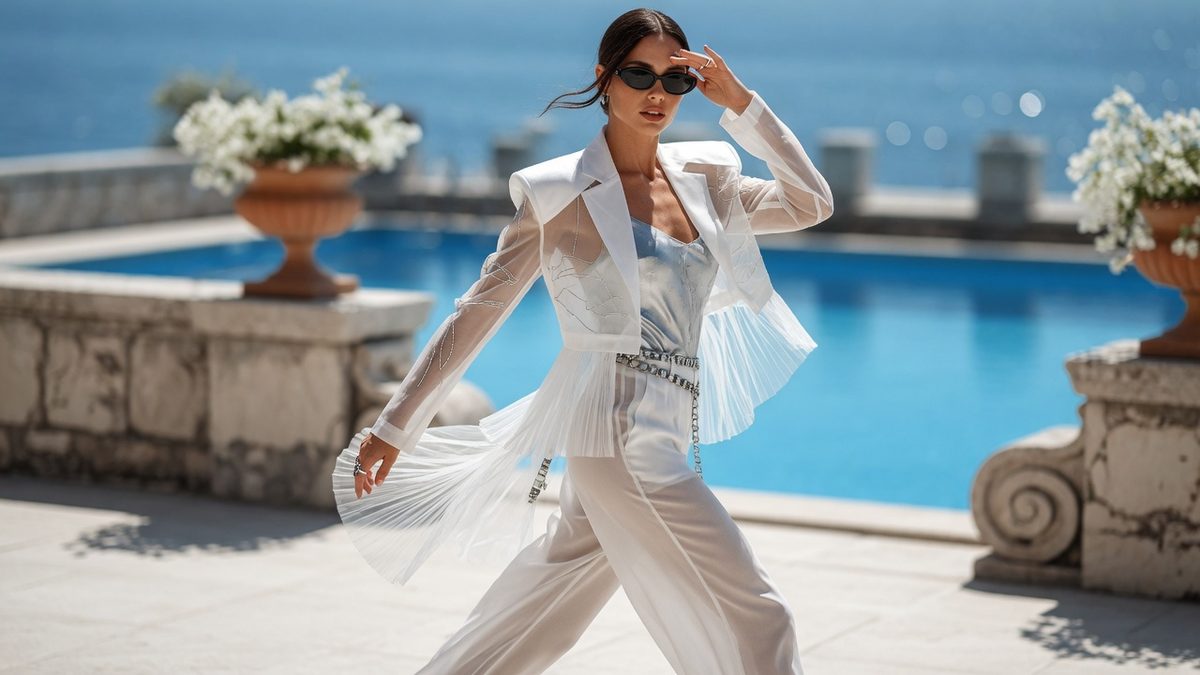
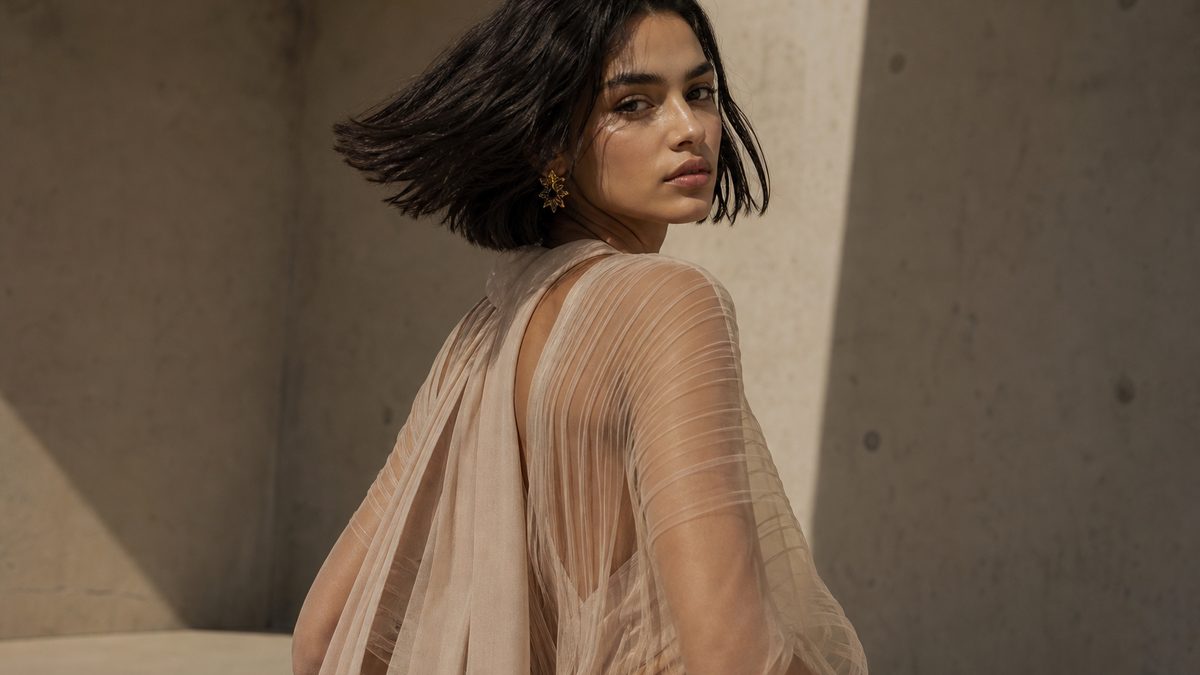
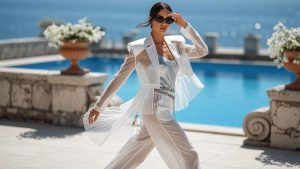
Sheer-everything layering follows closely behind. The problem here is partly fabrication: cheap chiffon and synthetic organza flooded the market, turning what should have been an exercise in textural sophistication into a see-through mess that screamed trend-desperate rather than editorial. When the same silhouette appears in silk organza or fine cotton voile, fabrics with body and opacity variation, it retains its appeal. But mass-market overexposure killed nuance.
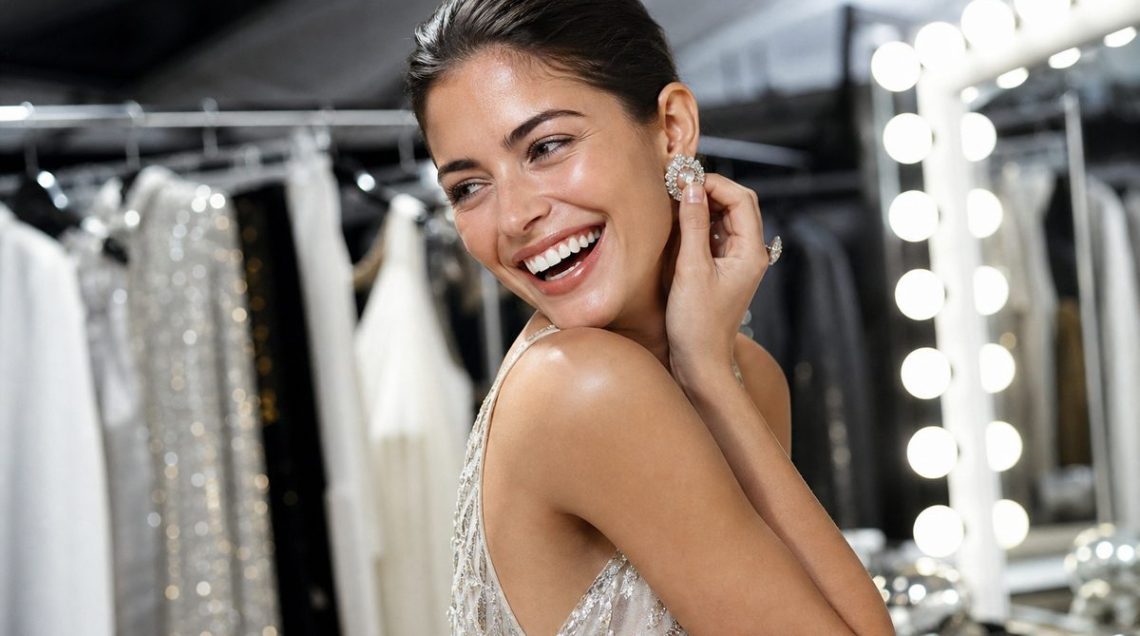
Shell and pearl jewellery, once a charming micro-trend championed by coastal aesthetics and indie brands, now feels compulsory. Every outfit, every wrist stack, every asymmetric earring configuration, the saturation point arrived faster than anyone anticipated. Platform UGGs, meanwhile, have completed their cycle from ironic comeback to street-style cliché to collective eyeroll. The silhouette isn’t inherently over, but its positioning as a universal styling solution has run its course.
Why trend fatigue became the defining mood of 2026
The velocity of trend cycles, accelerated by TikTok’s algorithmic churn and Instagram’s Reels-first commerce model, has produced a kind of aesthetic whiplash. What used to unfold over seasons now turns over in weeks. Quiet luxury was declared dead by trend forecasters before most women had even assembled a capsule wardrobe in the aesthetic. The truth, though, is more textured: quiet luxury isn’t over, it was simply done badly by fast fashion, stripped of the fabric quality and tailoring precision that made the original proposition compelling.
Grazia UK and Marie Claire UK have both documented this malaise, a creeping sense that participating in every trend cycle is not only financially unsustainable but spiritually exhausting. The antidote isn’t minimalism or maximalism; it’s discernment. SS26 London Fashion Week signals hint at what’s next: designers like Chopova Lowena, Simone Rocha, and Erdem are leaning into silhouettes that resist easy replication, Victorian-inspired pannier skirts, chartreuse as a disruptive colour rather than a safe neutral, wide-leg denim that demands a pointed heel to avoid looking costumey. These are gestures that require styling fluency, not passive consumption.
Stitch Fix’s declaration of Chili Red as the 2026 colour of the year feels almost defiant in this context, a colour that can’t be neutralised, can’t be quiet, can’t be passively integrated. It’s a signal that the next phase of fashion won’t be about opting out entirely; it’ll be about opting in with intention, on your own terms, when the proposition is genuinely compelling rather than algorithmically mandated.
How to tell a dead trend from one that just needs restyling
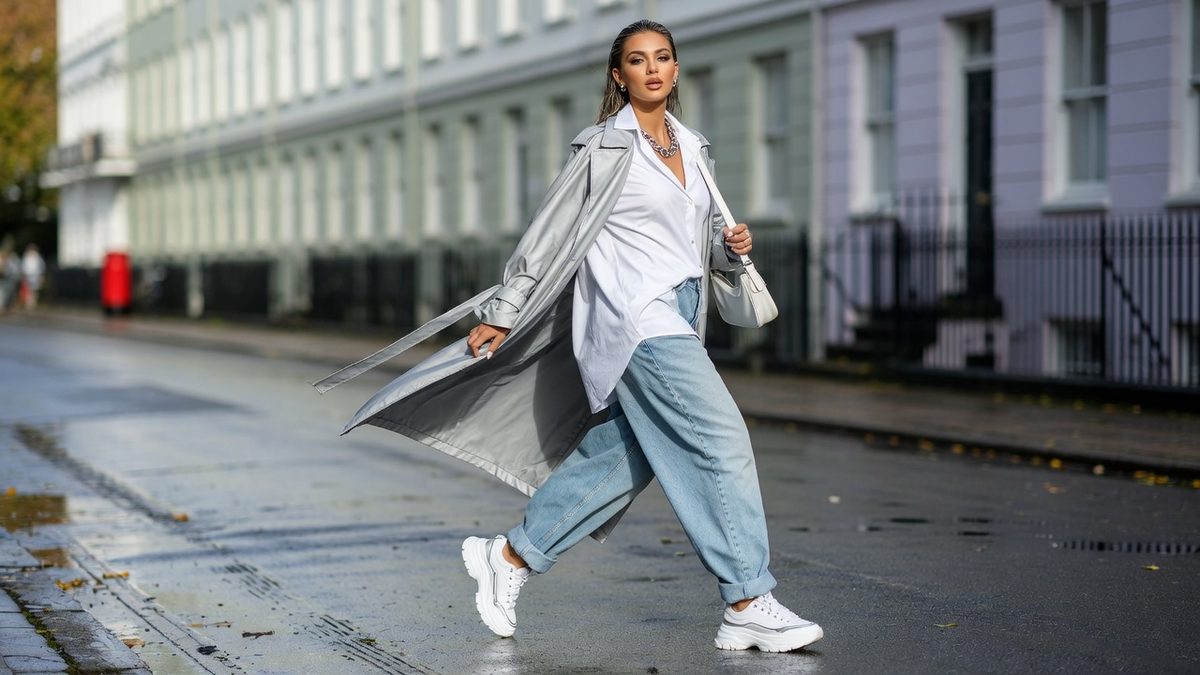
The distinction lies in whether a trend exhausted itself through oversaturation or whether it was never properly executed in the first place. Wide-leg denim, for instance, is not done, it’s just been done lazily, paired with chunky trainers in a silhouette that flattens rather than elongates. Swap the trainer for a pointed heel, introduce a tailored blazer, and the same trouser reads entirely differently. This is the restyling rule UK stylists are quietly applying: if one deliberate swap transforms the look from trend-tired to intentional, the silhouette itself still has equity.
Distressed denim, by contrast, has reached genuine obsolescence, not because the fabrication is inherently flawed, but because it’s been strip-mined by every price point and styling context. There’s no tweak that rescues it; the visual language is spent. The same logic applies to loud luxury maximalism: the logomania, the baroque embellishment, the more-is-more stacking. It’s not that maximalism itself is over, Burberry and Stella McCartney are both exploring volume and embellishment for AW26, but the specific vocabulary of 2023-2024 excess has been retired.
Who What Wear UK recently advised readers to ask one question before retiring a piece: ‘Does this feel exhausted because I’ve seen it everywhere, or because I’ve styled it the same way everywhere?’ The former is a trend problem; the latter is a styling problem. And only one of those is solvable without a wardrobe purge. What’s emerging now isn’t a new aesthetic mandate but a structural shift, toward slower accumulation, higher quality fabrication, and the kind of personal style fluency that allows you to ignore what everyone else is calling essential.