British wardrobes have always thrived on the tension between heritage and reinvention. Right now, search interest in ‘7 classic trends every’ has surged across the UK, signalling a collective hunger for wardrobe anchors that feel both familiar and fresh. These aren’t timeless basics that never change, they’re classic trends that cycle back every seven to ten years, each time demanding a small but crucial update to feel current rather than costume-y.
The difference matters. A timeless piece, say, a plain white T-shirt, never truly leaves. A classic trend, on the other hand, like the power shoulder blazer or the Breton stripe, disappears for a stretch, then roars back with new proportions, fabrics, or styling codes. Understanding that rhythm is what separates a wardrobe that looks polished from one that feels stuck in 2015.
So what actually counts as a classic trend right now?
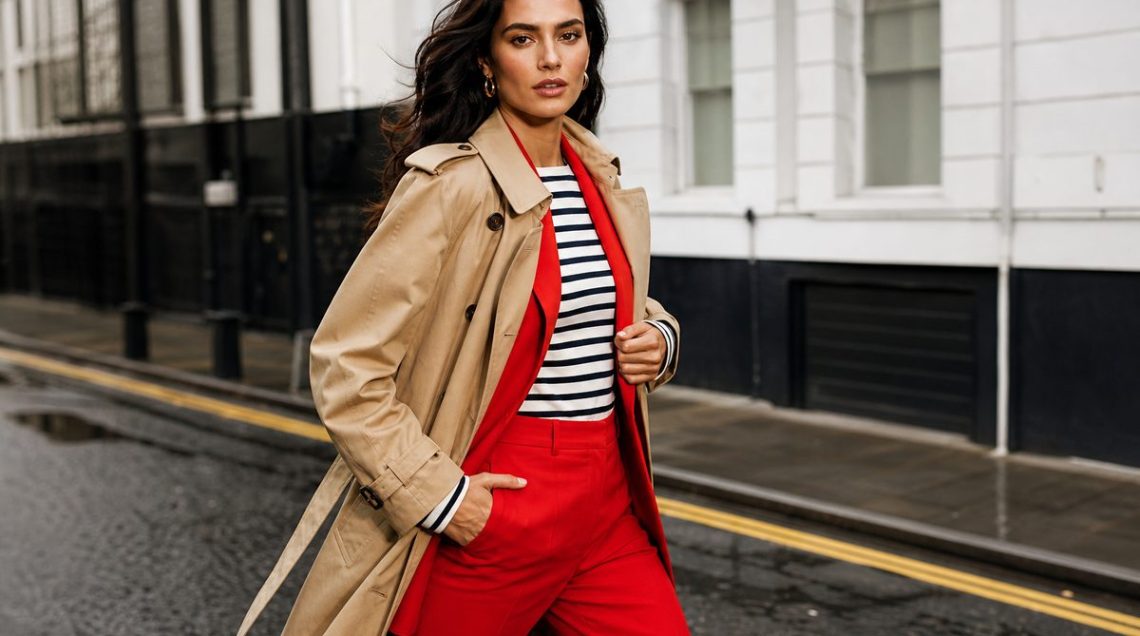
A classic trend is one that has demonstrable lineage, think Coco Chanel’s Breton stripe or the trench coat born from Burberry’s military heritage, but requires a deliberate modernising tweak to feel relevant in 2025. The seven classic trends dominating British Google searches and editorial coverage this season are: the power shoulder blazer, the wool-crepe tailored trouser, the trench coat, the Breton stripe, the midi skirt in plush fabric, plaid or tartan tailoring, and the ballet flat or leather loafer. Each has cycled in and out of fashion over the past three decades, and each is back with subtle but critical shifts in proportion, fabrication, or styling.
Fabric choice is where the polished separate from the passable. A power blazer cut in wool crepe holds structure without stiffness; a Breton stripe rendered in Tencel-cotton reads expensive rather than high-street; a midi skirt in suede or brushed wool feels luxurious where polyester reads flat. British heritage brands have quietly mastered this: Margaret Howell’s tailoring uses dense wool that holds a clean line, Toast’s knitwear favours natural fibres that age beautifully, and Jigsaw’s suiting marries British cut with Italian fabrics. These aren’t aspirational purchases, they’re strategic investments in pieces that will genuinely outlast the fast-fashion churn.
Proportion matters just as much. A blazer hem should hit just below the hip bone to avoid shortening the leg. A midi skirt in a plush fabric should sit at or just below the knee, not mid-calf, which can drag the silhouette down. Tailored wide-leg trousers need a sharp front crease and a hem that grazes the top of the shoe, not bunches around the ankle. Get the length wrong by two centimetres and the whole look collapses into frump territory.
Why do these seven pieces keep coming back around?
Because they solve recurring wardrobe problems. The power shoulder blazer answers the perennial question of how to command a room without shouting. The trench coat bridges unpredictable British weather and the need to look intentional. The Breton stripe offers instant visual shorthand for effortless chic, a trick Carolyn Bessette-Kennedy understood decades ago and which resurfaces every time minimalism swings back into favour. These pieces return because they occupy functional wardrobe slots that haven’t fundamentally changed: outerwear, tailoring, knitwear, shoes.
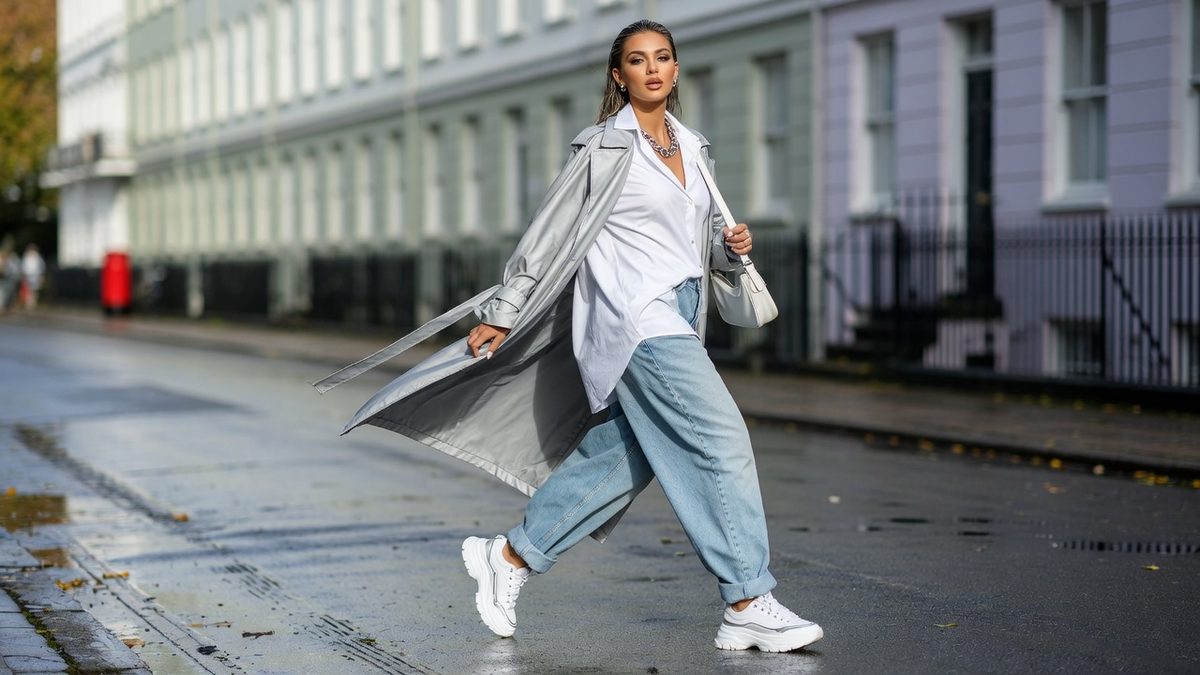
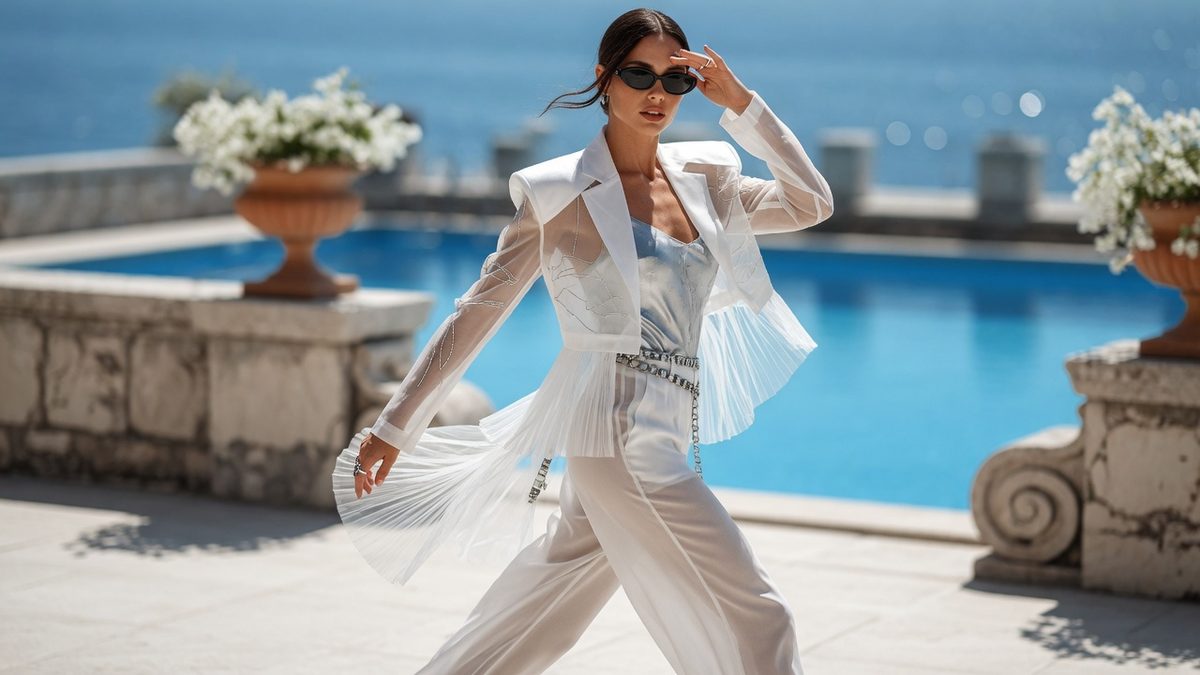
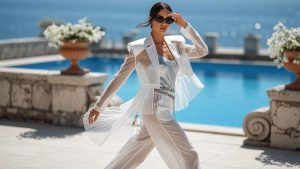
But their cyclical nature also means they’re vulnerable to looking dated if worn exactly as they were a decade ago. The power suit silhouette of 2015, nipped waist, narrow trousers, reads costume now. The 2025 version, seen at Victoria Beckham and Saint Laurent SS25, pairs an oversized blazer with a sheer bodysuit or a fine-knit tank, not a buttoned blouse. The trench coat still anchors spring wardrobes, but Burberry’s latest iterations swap the classic belt for a leather sash or leave it open entirely, layered over wide trousers instead of a pencil skirt. The midi skirt, once styled demurely with ballet flats, now appears with chunky loafers or even trainers, leaning into the clash rather than smoothing it over.
Plaid and tartan tailoring, a perennial in British design thanks to labels like Simone Rocha, Erdem, and S.S. Daley, returns every autumn but always with a fresh fabrication, this year it’s wool-silk blends or brushed flannel rather than stiff worsteds. The Breton stripe, meanwhile, has migrated from marinière basics to oversized, asymmetric cuts that nod to its French naval origins without mimicking them. Even the ballet flat, revived relentlessly over the past three seasons, now appears in brown leather rather than black patent, a shift that feels less ballet-core, more grown-up.
How do I wear them in 2025 without looking like my mum?
Apply the one-tweak rule to each piece. Wear a classic trench but swap the belt for a leather sash, or leave it open and layer it over a chunky knit and wide trousers. Style a power blazer with a sheer bodysuit or a ribbed tank instead of a formal shirt, keep the structure on top, soften or subvert what’s underneath. Choose a Breton stripe in an oversized, boxy silhouette rather than the fitted marinière your mum wore in the Nineties. Pair a midi skirt in suede or brushed wool with chunky leather loafers, not dainty ballet flats, to ground the look and add visual weight.
For tailored trousers, commit to the wide leg but ensure a sharp front crease and a clean hem that skims the shoe, no pooling fabric. If you’re wearing plaid tailoring, let the pattern be the statement and keep everything else neutral: a plain knit, minimal jewellery, brown leather accessories. The ballet flat works best in brown leather or soft suede, styled with bare ankles and cropped trousers to avoid looking too precious. And if you’re investing in any of these pieces, prioritise British heritage brands: Mulberry for leather accessories, Margaret Howell for suiting, Toast for knitwear, Burberry for the trench. They understand the local climate, the proportions that flatter British bodies, and the fabrics that last.
The real skill is knowing when to stop. One classic trend per outfit is enough, layer a Breton stripe under a trench and you risk fancy-dress territory. But a single well-chosen piece, styled with one deliberate modern tweak, anchors your look in something bigger than this season’s micro-trend cycle. And if you want to acquire these pieces sustainably, platforms like Vestiaire Collective and Depop are flooded with pre-loved iterations from past cycles, often in better fabrics than current high-street offerings. The seven classic trends are back, and this time the challenge isn’t whether to wear them, it’s how to make them look like they were always yours.