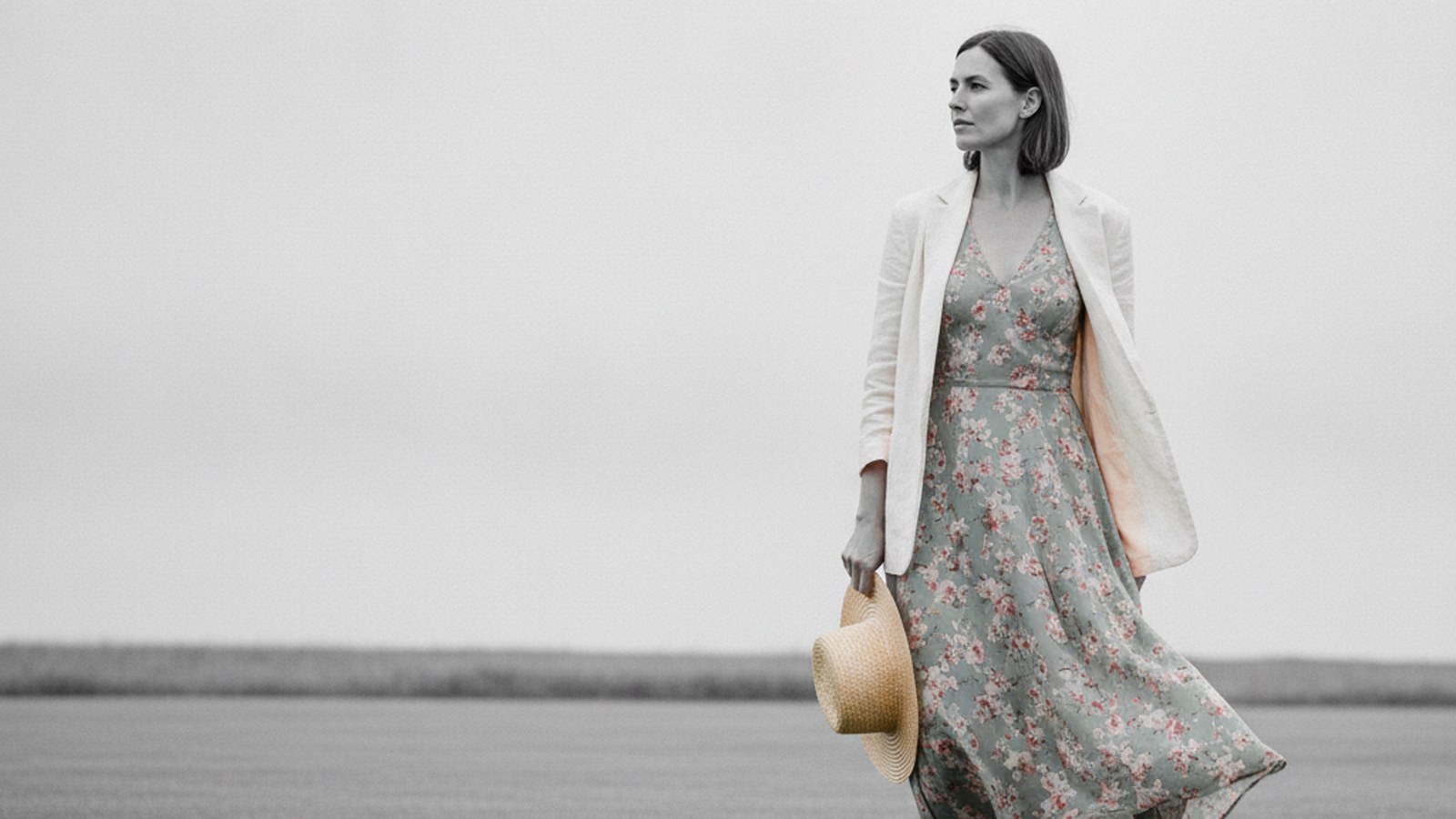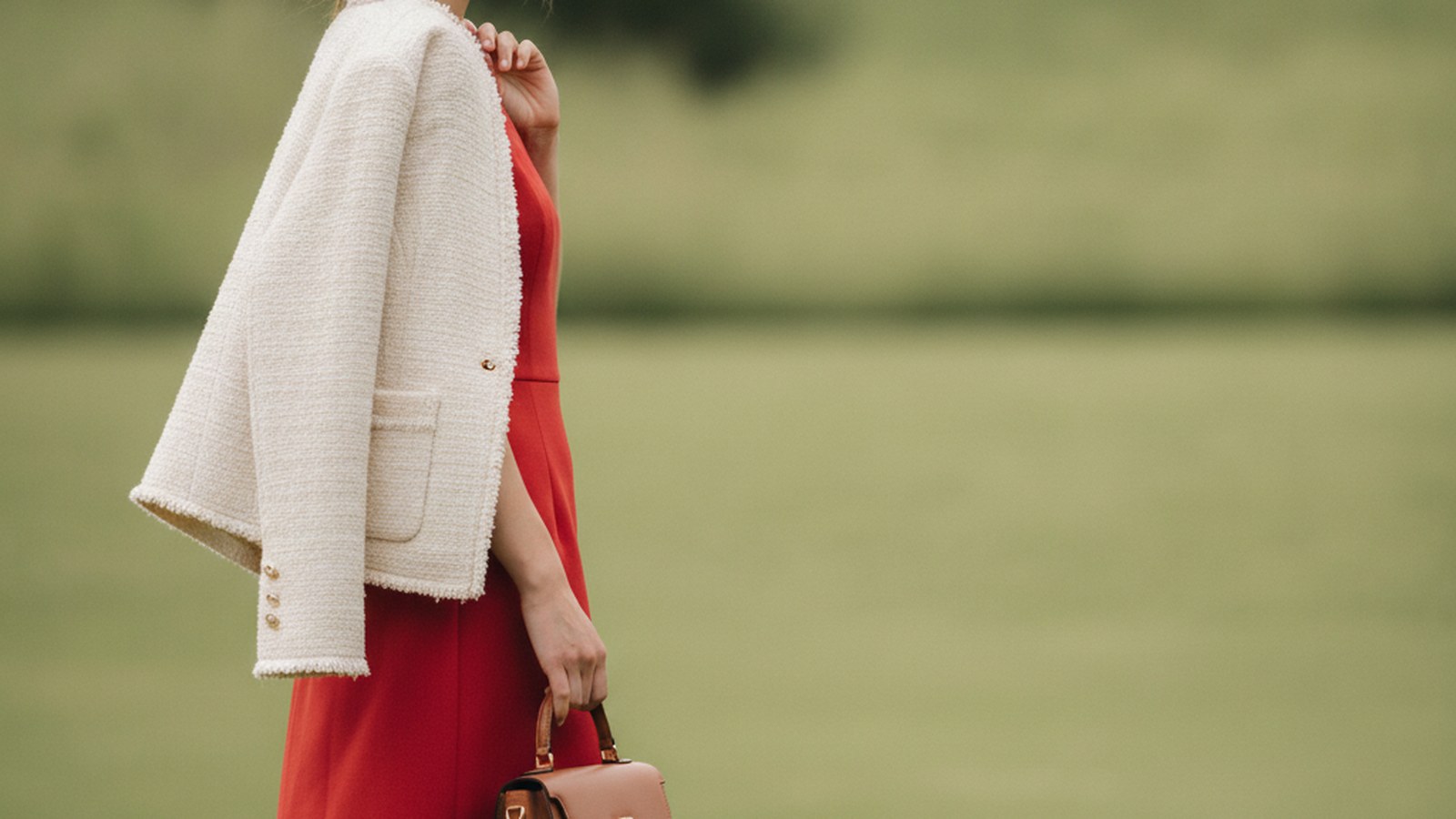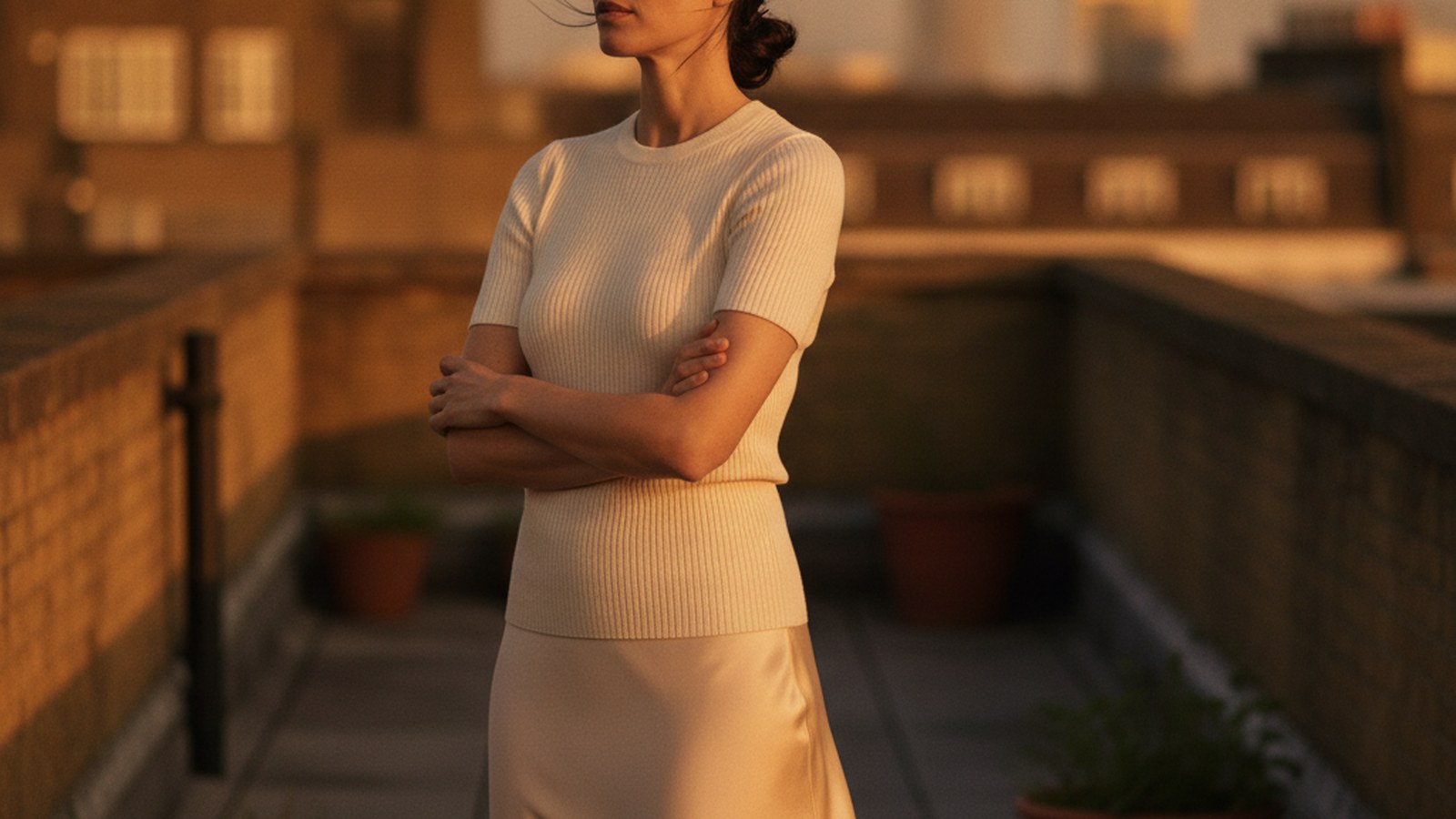
Tailored shorts are the piece doing the most work in a British summer wardrobe right now, and almost nobody is treating them seriously. Three specific cuts, chosen by fabric and rise, will carry you from a Chelsea garden lunch to a Glastonbury field to a 28°C Tuesday in the City without you ever rebuying for the occasion. Below is the formula: which cut goes where, why the fabric matters more than the label, and the proportion rules nobody else is telling you.
Why tailored shorts, and why now
June is the month British dressing breaks. Trooping the Colour on the 13th, Royal Ascot from the 16th, Glastonbury from the 25th, plus the first proper heatwave window where London hits the high twenties and the Tube becomes a moral test. A dress solves one event. A pair of well-cut shorts, in the right fabric and rise, solves three.
The reason most women write shorts off is they own the wrong pair: a holiday-bought linen drawstring, or a denim cut-off that reads beach not city. Tailored shorts (pleated, structured, hemmed) are a different category entirely. Sienna Miller has spent the better part of two decades demonstrating exactly this at British summer events, swapping a fluid short with a blouse and boot for festival fields and a sharper short with a blazer for town. The occasion-flex is real if the cut is right.
The three cuts that anchor the capsule
Forget the trend round-ups listing seven silhouettes. You need three, and only three, to cover the British summer social calendar.
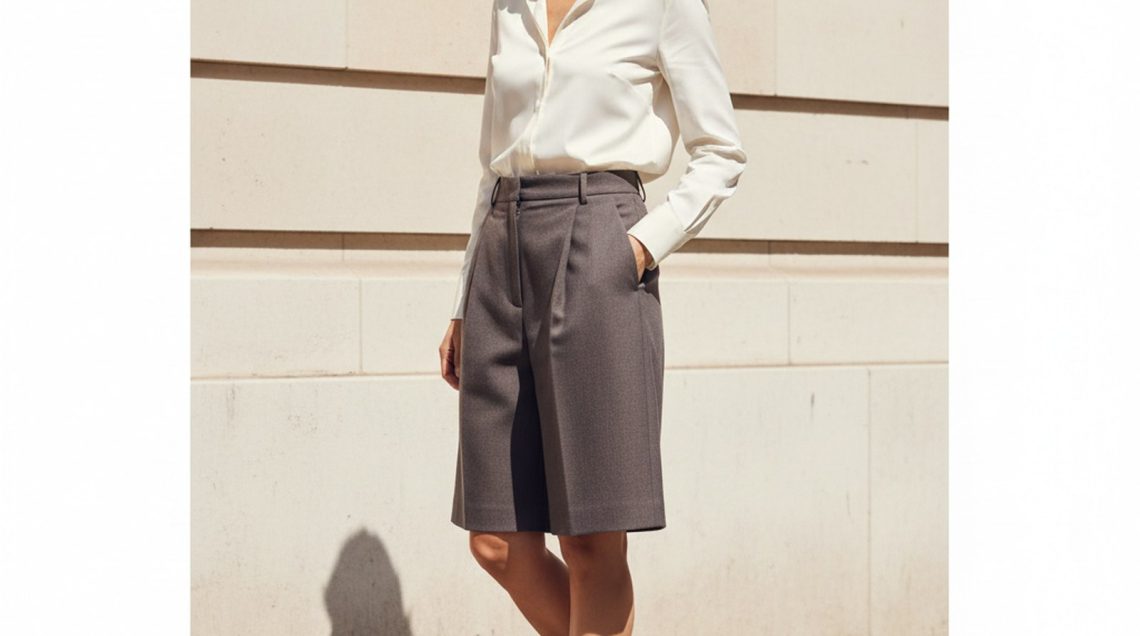
1. High-rise pleated, in wool crepe or structured cotton twill
This is the garden party and city smart-casual cut. Wool crepe drapes like a trouser, holds a sharp pleat, and reads as expensive from across a lawn. Structured cotton twill does the same job at a lower price point and breathes better above 24°C. Length sits mid-thigh to just above the knee; rise hits the natural waist.
Where to look: Joseph and Theory both do high-rise pleated crepe well, and the cost-per-wear maths makes sense if you commit to wearing them eight to ten times a summer. Ganni offers a more playful version in lighter fabrications if you want movement.
The pleat direction matters more than anyone says. Outward-facing pleats (folds opening towards the hip) add volume across the front and flatter narrower or straighter frames who want shape. Inward pleats, the military style, keep the front clean and suit hourglass figures who want structure without extra width. Check in a mirror before you buy.
2. Mid-rise Bermuda, in linen-cotton blend
The festival field and daytime travel cut. Pure linen creases the moment you sit in a car, which is a problem when Glastonbury is a four-hour drive. A linen-cotton blend with a higher cotton ratio (look for 55% cotton or more) holds its line through a journey and still breathes in heat. Length grazes the knee.
COS and Arket do the Bermuda exceptionally well, and STAUD is worth the spend if you want a desk-to-dinner version with a cleaner hem. Weekday handles the accessible end with a vintage-leaning fit.
The proportion trap with Bermudas: a knee-grazing hem will visually shorten your leg if you pair it with a chunky trainer. The hemline-to-shoe relationship needs a pointed-toe flat, a slingback, a low block heel, or a leather sandal with a clean strap. Save the trainers for the wide-leg short below.
3. Flat-front wide-leg culotte-short
UK fashion creator Sophie Louise demonstrates three distinct ways to style tailored shorts, directly echoing the article’s three-cut editorial premise and British summer styling angle.
@sophielouiseknight 3 ways to style tailored shorts ❤️ #fashion #grwm #outfit #style #oldmoney #OOTD #outfitideas #summerfashion #outfitinspo #oldmoneyoutfits #neutralstyle #Outfitoftheday
City heatwave and summer evening. The widest of the three, hemmed mid-thigh, no pleat, often in a fluid cotton or a viscose-linen mix. The flat front keeps the silhouette modern; the wide leg moves air through, which matters when the Central line is 32°C.
& Other Stories does this cut at price, and it’s the one to buy in a mid-tone neutral first. Stone, tobacco, navy, charcoal. Brights and prints lock you into one mood; a neutral wide-leg short carries from an 8am meeting to a rooftop dinner with a silk cami swap.
Want the rest of our British summer capsule decoded the same way, cut by cut, fabric by fabric, with the high street picks that actually deliver? Sign up to the Mūsmūs newsletter for a weekly edit of practical outfit logic, honest fabric reviews and the three pieces worth buying this month, sent straight to your inbox every Thursday morning.
The fabric performance matrix for British summer
This is where most styling guides go quiet. British summer is not Mediterranean summer. You need fabrics that survive 14°C drizzle on Friday and 28°C sun on Sunday.
| Fabric | Performs in | Fails in |
|---|---|---|
| Wool crepe | Garden party, city office, evening | Heat above 26°C, festival mud |
| Linen-cotton blend | Festivals, travel, sustained heat | Formal events where crease reads sloppy |
| Technical cotton-elastane | Ten-hour days, long walks, unpredictable weather | Black tie, ultra-formal lawn events |
| Pure linen | Looking fresh on arrival | Anything involving a car, a chair, or movement |
| Viscose-linen | Heatwave evenings, drape-led outfits | Rain, wind, structured looks |
If you only register one rule: pure linen looks best in the first ninety minutes you wear it. After that, it tells the story of your day on its surface. For a garden lunch where photographs happen, arrive in linen rather than travel in it, or pick the blend.
How to wear tailored shorts to events where shorts feels risky
The British social anxiety around shorts is the real reason this category gets underused. Three formulas to disarm it.
Garden party, lunch, smart daytime
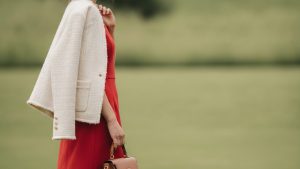
High-rise pleated wool crepe short in a mid-tone neutral. Tuck in a fine-knit shell or a structured silk blouse. Pointed slingback in nude or black. A short blazer in the same fabric as the short (the co-ord move) signals the outfit is deliberate. Add a small structured bag. Sheer tights are optional if the forecast drops; the look reads polished without veering into trouser-suit territory.
Festival field, Glastonbury, day events
Mid-rise linen-cotton Bermuda. Oversized linen shirt over the top, half-tucked at the front (With Nothing Underneath does the shirt exceptionally). A packable rain mac tied at the waist when the sun comes out, pulled on when it doesn’t. Ankle wellies if you’ve committed to the mud, a flat leather sandal if you haven’t. This layering system reads intentional, not chaotic, and is the answer to the assumption that tailored shorts and festivals don’t mix.
City heatwave, evening, drinks
Flat-front wide-leg culotte-short. A fitted ribbed vest or a silk cami tucked in. A flat mule or a low slingback. A long lightweight coat thrown over the shoulders if the venue runs the air-con cold. The proportion (wide on the bottom, fitted on the top) keeps the look modern and stops it tipping into holiday wear.
The co-ord as the capsule multiplier
If you buy one tailored short this summer, buy it with the matching blazer. The shorts suit is the multiplier of the whole system. Blazer on, with a shell underneath, you have garden party or city smart. Blazer off, silk cami underneath, you have summer dinner or a festival headline set. One purchase, three occasions, no styling brainwork required at 7am.
Zimmermann does the printed co-ord if you want a single statement piece for a specific occasion, but the workhorse version is plain, in stone or navy, from Joseph or COS.
Where to start this week
If you buy nothing else before the end of June, buy the mid-rise linen-cotton Bermuda in a neutral, from COS or Arket. It is the single most flexible piece in this capsule and will carry you through the festival weekend, a heatwave Tuesday, and a Saturday lunch with equal credibility. Pair it with a white oversized shirt and a pointed flat, and you have a uniform for the next eight weeks.